The United Nations recognises the importance of well-being for everyone. To promote awareness of, and action towards, holistic well-being, the General Assembly proclaimed 15 April as International Wellness Day. The day encourages people everywhere to embrace accessible and inclusive wellness practices that enhance personal and collective health.
To mark this day, we are publishing a success story about the COST Action DE-PASS, which drew on expertise in behavioural science, public health, education and urban planning to inform real-world decision-making.
A growing crisis
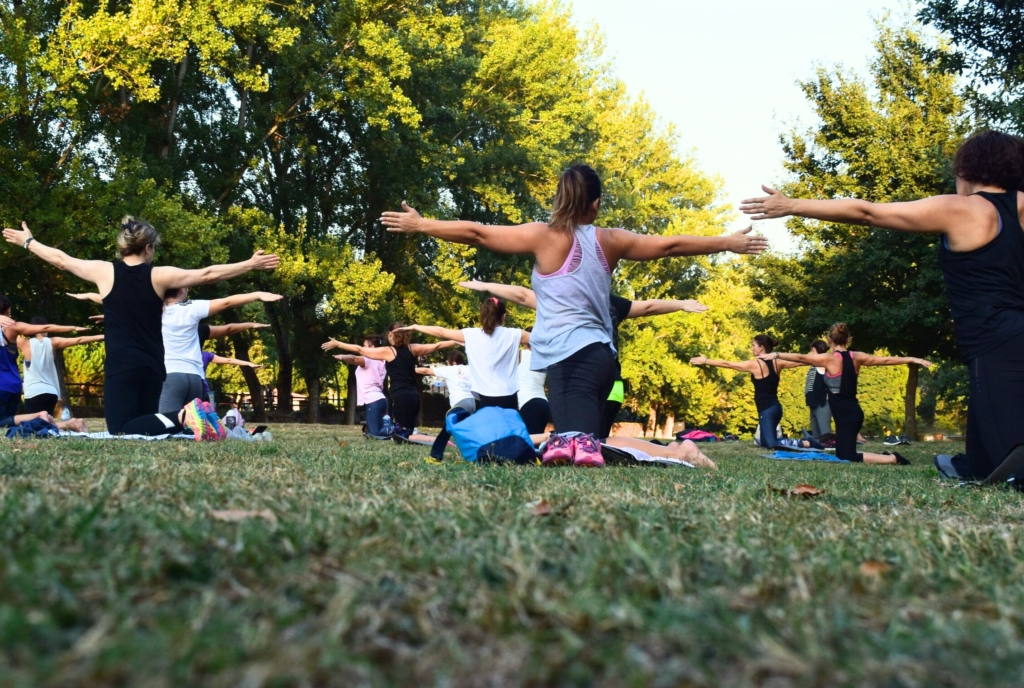
Across Europe, people are becoming less physically active. This is an especially worrying trend when we consider children and adolescents, whose inactivity levels remain alarmingly high. The consequences are serious, with rising obesity, heart disease and diabetes putting a strain on individuals and healthcare systems (source: Physical activity in the EU: policies that make people happier).
In response to this urgent issue, the COST Action Determinants of Physical Activities in Settings (DE-PASS) investigated why people choose to be active or inactive across different life stages and environments, such as homes, schools and workplaces. Led by Professor Ciaran Mac Donncha from the University of Limerick in Ireland, the Action transformed fragmented data into actionable evidence for policymakers.
Its legacy lives on through the Marie Sklodowska-Curie Doctoral Network INDEEP, led by DE-PASS members. This demonstrates that DE-PASS paved the way for sustained European collaboration and tangible change.
In 2017, over 75% of European adolescents were classified as sedentary*.
Teenagers spend around eight hours a day sitting down. This includes school and leisure time*.
Teens spend about three hours a day on screens*.
*source: DE-PASS Best Evidence Statement
Bridging gaps through collaboration
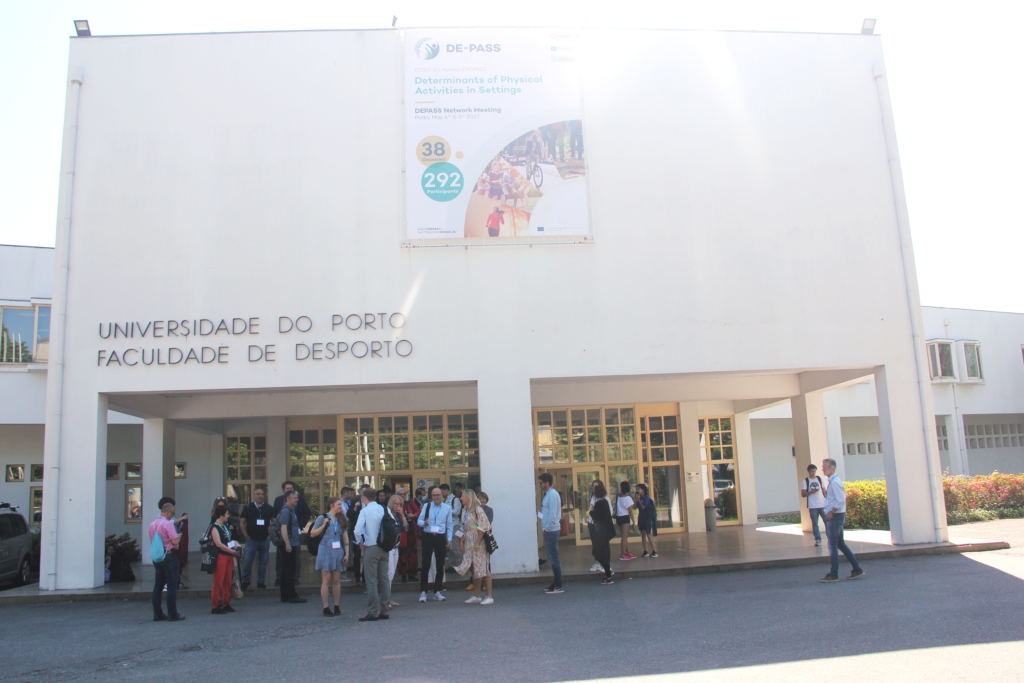
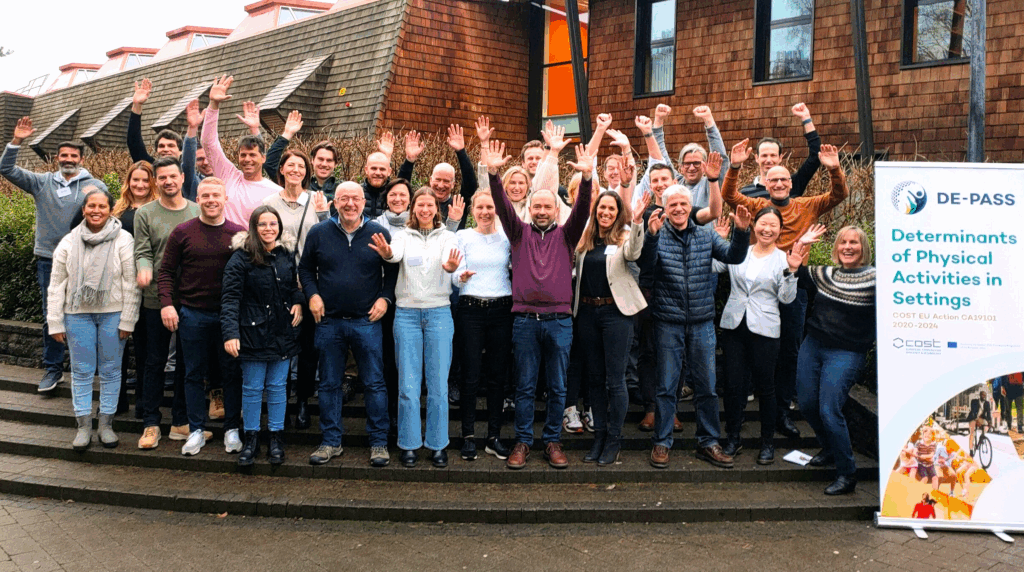
Since its launch, DE-PASS has created a multidisciplinary network of 236 researchers and policymakers from 43 countries. By connecting experts in behavioural science, public health, education, and urban planning, the Action became an effective knowledge transfer platform where scientific evidence meets real-world decision-making.
A significant achievement of DE-PASS was the development of a comprehensive measurement toolkit for studying the determinants of physical activity, now available in ten languages. Alongside consensus definitions of key terms and a concept map of adolescent physical activity determinants, this toolkit gives researchers and policymakers a shared framework to work from.
According to the Action Chair Prof. Mac Donncha: “A key conclusion of DE-PASS is that, upon rigorous examination and review of existing published evidence, few convincing associations were found between measured determinants and physical activity behaviours, or between changes in determinants during interventions and activity outcomes.”
The network also reached a consensus among policymakers on the key determinants to prioritise when promoting adolescent physical activity, including the availability of indoor and outdoor facilities, personal beliefs about physical activity, and inclusive school programmes.
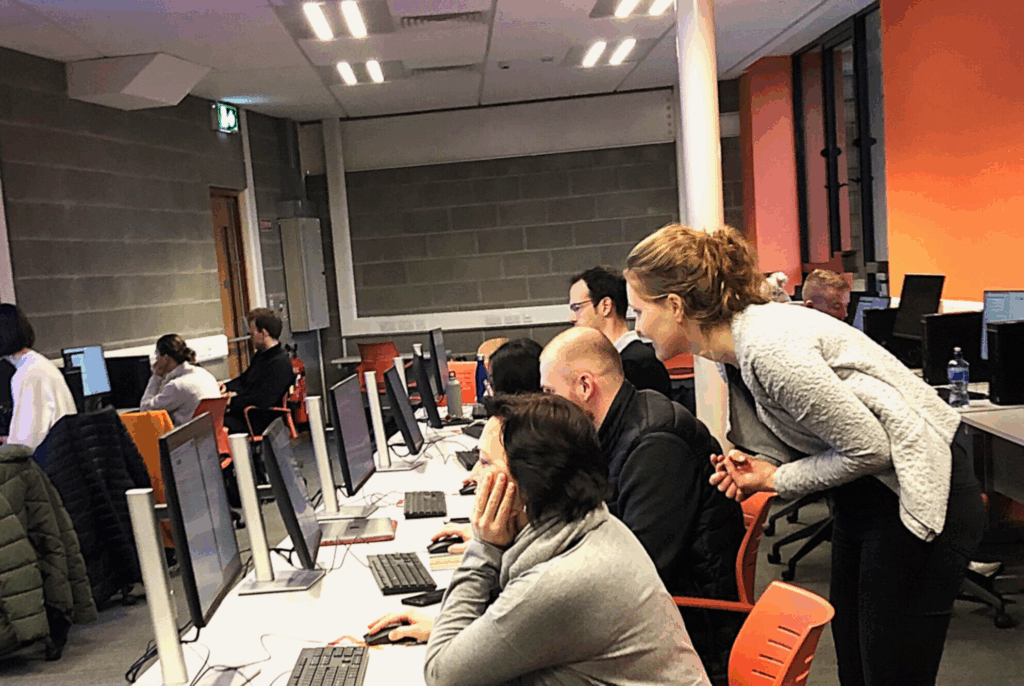
Perhaps most impressively, DE-PASS harmonised data collection across ten European countries. Information was gathered from 362 families and around 1,000 individuals through a combination of questionnaires and device-based measurement tools. The final stage of data exploitation is underway, and the resulting dataset will be one of the most comprehensive in Europe. It will provide an invaluable foundation for future research.
“No other database of this nature and complexity exists. The DE-PASS database will be expanded and exploited through the linked Marie Sklodowska-Curie Doctoral Network and by those involved in DE-PASS’s data collection efforts.”
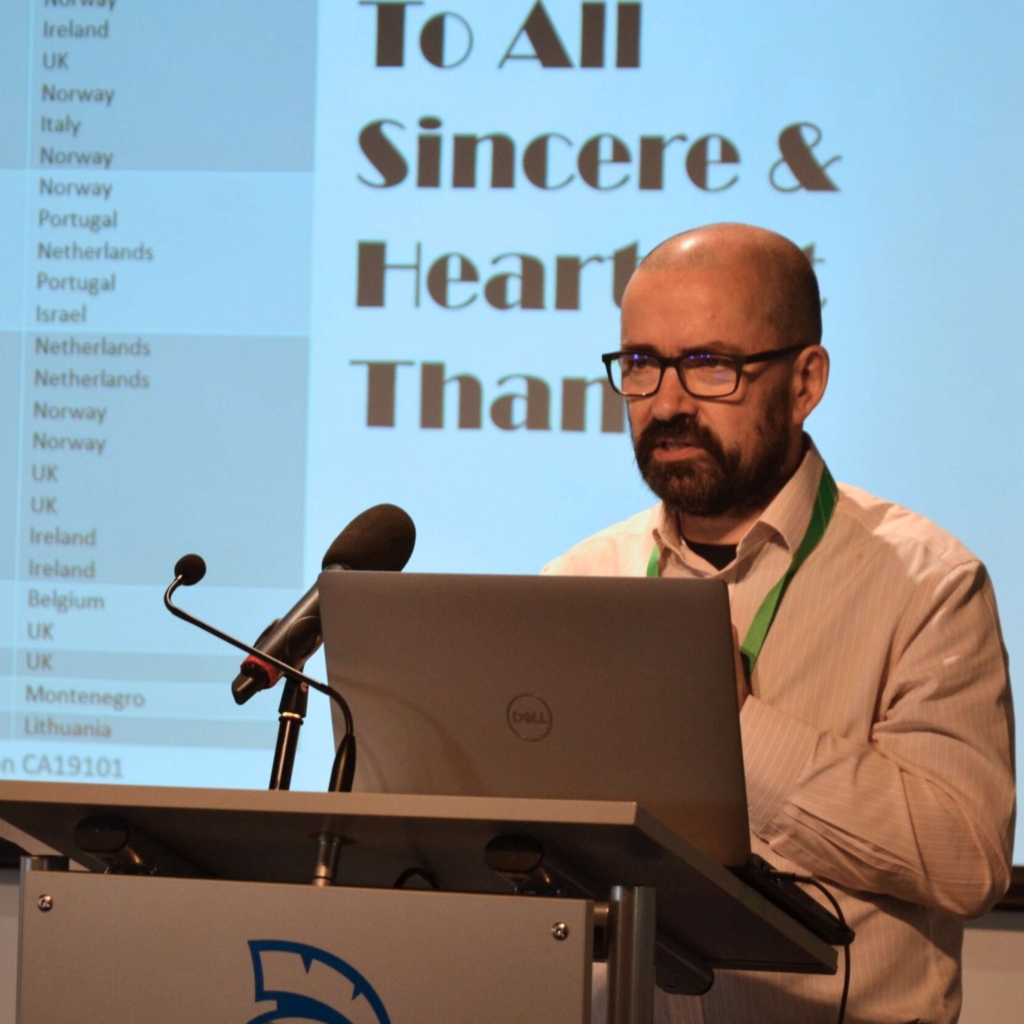
Chair of DE-PASS Action
From DE-PASS to INDEEP
The success of the Action and the strong collaboration within its network led directly to the creation of the MSCA Doctoral Network INDEEP (Intervention on the Determinants of, and Expertise in, Physical Activity Behaviours).
INDEEP originated from one of DE-PASS’s working groups, which focused on harmonising European data collection. Recognising the challenge of collecting comparable data across countries, the DE-PASS team set a goal to secure future EU funding for PhD students and postdoctoral researchers. This long-term vision has now become a reality through INDEEP.
With funding of €2.75 million, INDEEP brings together eight institutions from six countries and supports ten doctoral researchers. The project provides a toolbox to help researchers and practitioners develop effective, evidence-based strategies to increase physical activity.
As Ciaran Mac Donncha noted, “INDEEP builds directly on the achievements of DE-PASS. It takes our determinant knowledge, integrates it with behaviour change theory, and applies it through co-creation with communities to create real solutions.”
A network of dedication and friendship
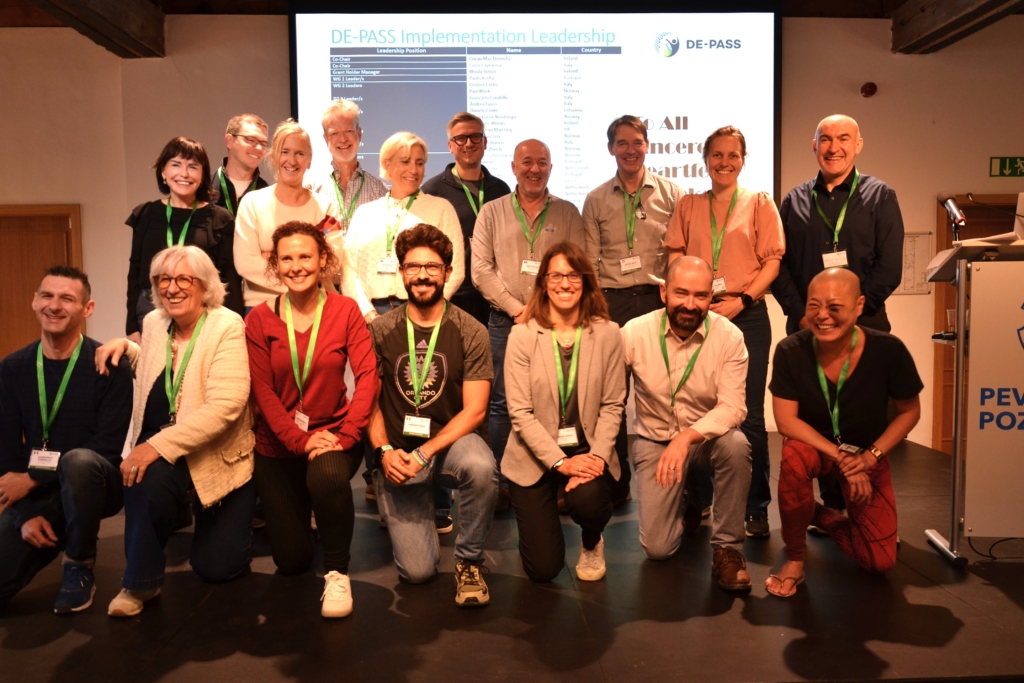
For Prof. Mac Donncha and the Vice-Chair, Prof. Laura Capranica, leading the DE-PASS Action was deeply satisfying on a personal level, as well as being scientifically rewarding. Reflecting on his experience, Professor Mac Donncha said:
“The most rewarding aspect was working, problem-solving, and celebrating with the work group leaders and members of our network. It was the most fulfilling period of my career. As Chair, I am privileged to have worked alongside such a talented and committed group of individuals. Together, we have created a foundation that will continue to advance the understanding of physical activity behaviours for years to come.”
Laura Capranica added: “One of the most rewarding aspects of coordinating DE-PASS has been witnessing young researchers grow in confidence through collaboration and shared learning. The collective effort that led to major achievements such as the INDEEP MSCA Doctoral Programme shows how DE-PASS has fostered a culture of mentorship and excellence, transforming collaboration into tangible career development opportunities and societal impact.”
COST as a stepping stone
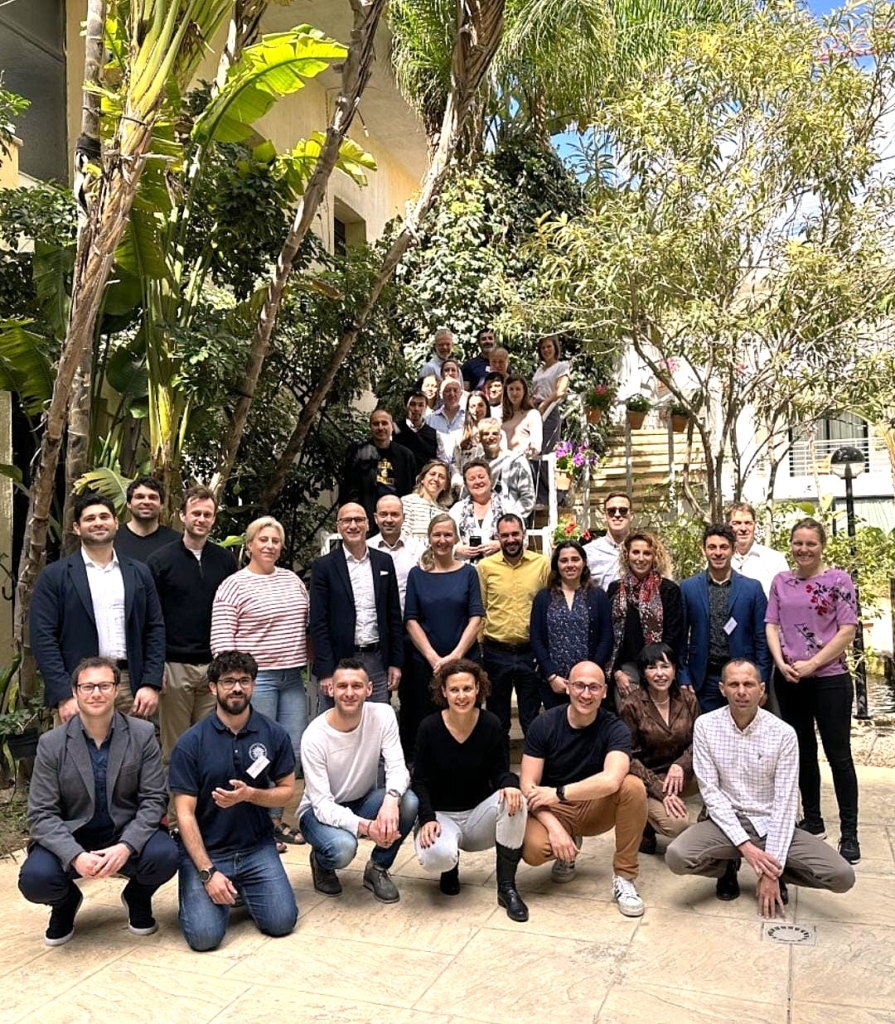
The COST Action DE-PASS is a good example of how COST Actions serve as vital stepping stones for European research collaboration. What began as a network to understand why people move has grown into a major research initiative that trains young researchers, develops new methods, and continues to attract EU funding.
As Prof. Mac Donncha concludes, “DE-PASS showed how COST creates the environment where ambitious ideas can grow. It connects people, builds capacity, and lays the foundation for lasting European impact.”
The future is ambitious: plans are underway to expand the DE-PASS database, publish key findings, and apply for new European funding to create a comprehensive longitudinal network for harmonised physical activity data.
“A roadmap to apply for European research funding to support a new DE-PASS network and comprehensive longitudinal data collection will be central to the future agenda.”
Watch the video produced by the Action: