
The Sweet Power of Honey – A Recipe Book Celebrating the Versatile Ingredient in Kitchens Around the World

The BeSafeBeeHoney COST Action drives critical research to anticipate contaminants and environmental stressors, paving the way for strategies that protect honeybees and the products they create. At the same time, it showcases the nutritional and health-promoting potential of honey and related products, providing evidence that informs updated regulations and quality standards. The network actively tracks major threats to honeybee colonies, including emerging and imported diseases. With colony losses posing serious risks to agriculture, ecosystems, and the global food chain, continuous monitoring and the development of integrated solutions are vital to safeguarding honeybees and the agroecosystems they sustain.
What a great way to raise awareness with a recipe book! From starters, main courses to desserts including drinks, the sweet power of honey – We asked Dr Sara Leston, Dr Carolina Nebot and Dr Marta Leite about this new initiative.
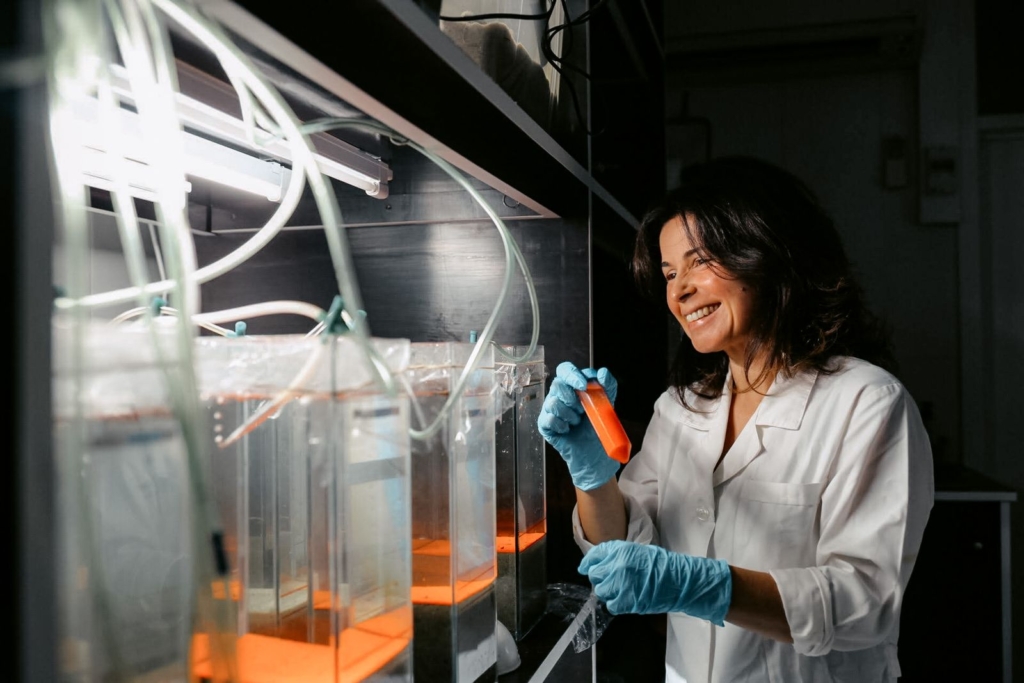
Grant Holder Scientific Representative
University of Coimbra – Portugal
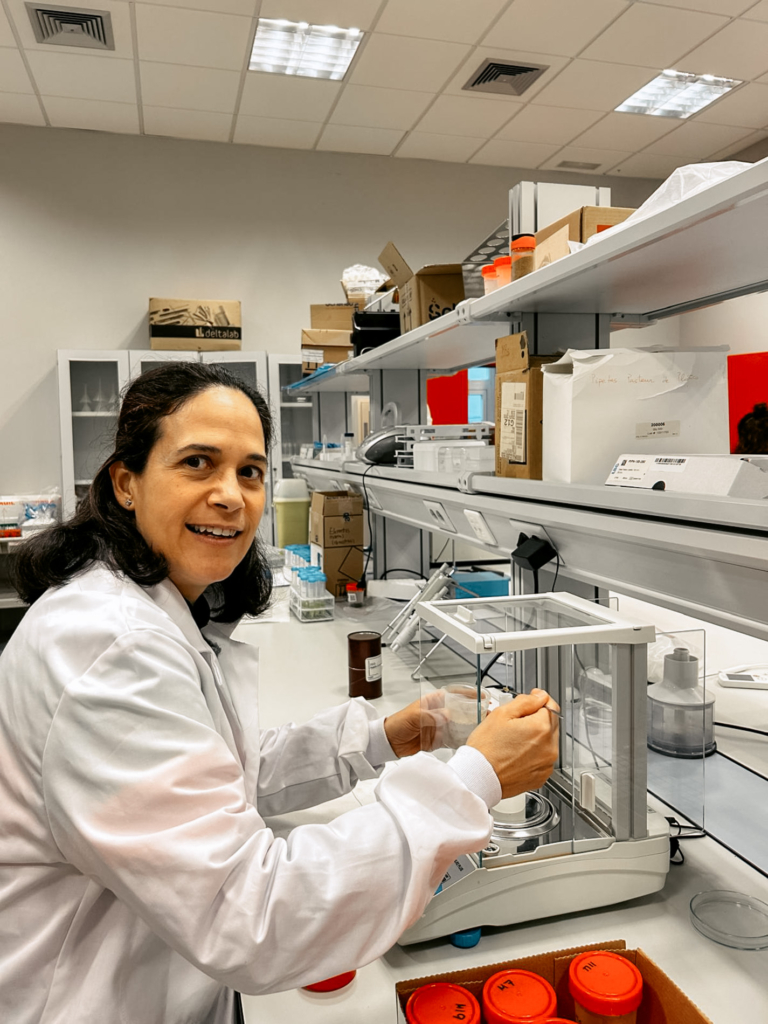
WG1 Leader
University of Santiago de Compostela
Spain
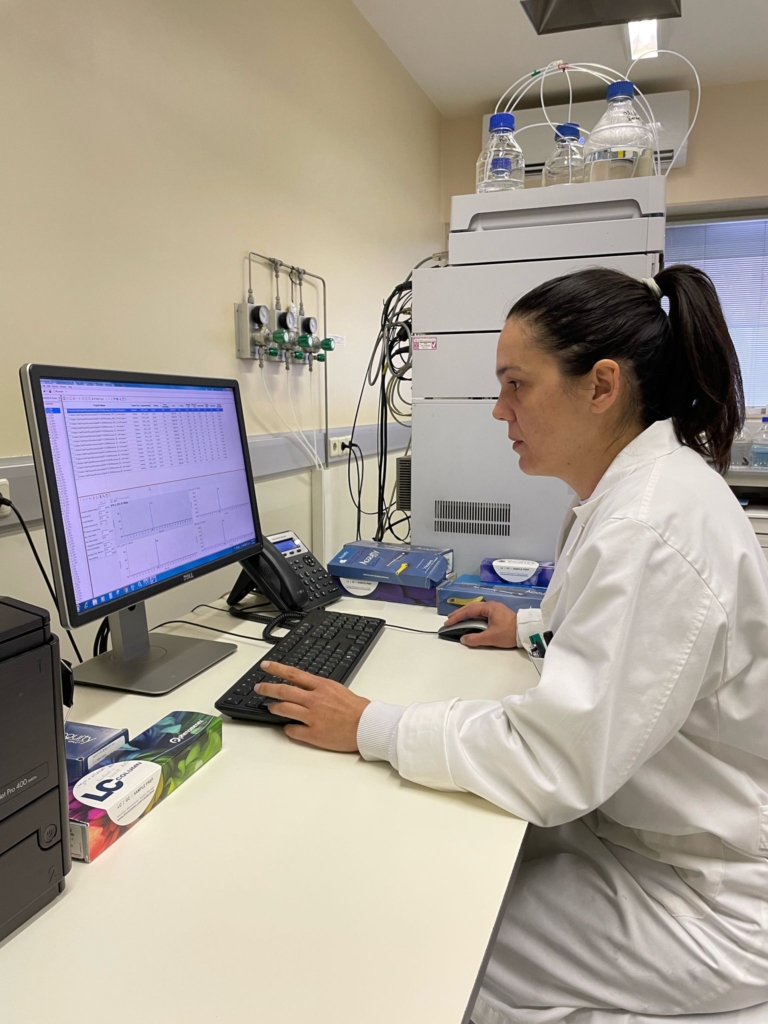
WG6 Leader & Science Communication Coordinator
INIAV – Portugal
Where does the idea of the BeSafeHoney Recipe Book come from?
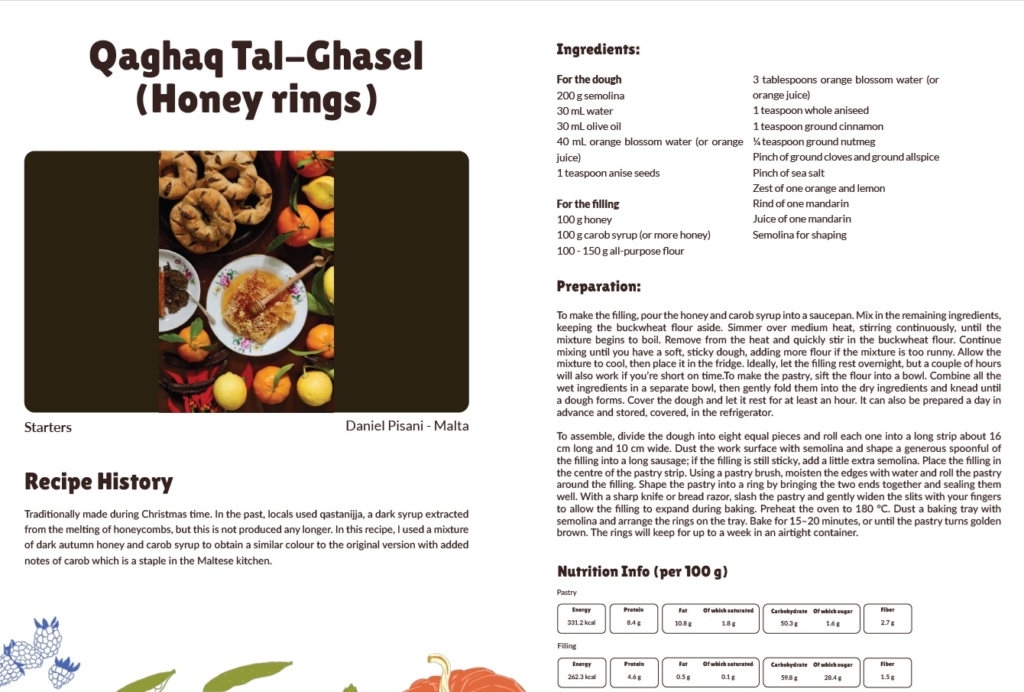
The idea emerged within Working Group 1 of the BeSafeBeeHoney COST Action, which focuses on the nutritional and medical aspects of honey and seeks to promote its use and consumption. Scientific discussions gradually evolved into sharing traditional recipes and cultural uses of honey, revealing an opportunity to connect research with everyday life through a collaborative recipe book.
Why use a recipe book as a science communication tool?
The main idea was to promote honey consumption and showcase its versatility through something as simple as cooking. The COST Action brought together members from a wide range of countries, and a recipe book became an ideal way to demonstrate that honey is a product enjoyed worldwide. Additionally, a recipe book offers an accessible and engaging way to communicate science. Using honey as a central ingredient allowed us to translate scientific knowledge on nutrition, diversity, and safety into practical experiences, making research relatable to a wide audience.
How did you collect all the recipes?
Recipes were contributed by members of the COST Action from several countries, mainly across Europe. Each contribution often included personal stories or historical background, reflecting cultural diversity and shared food heritage. Each recipe was then analysed through scientific software to understand its nutritional value as a whole.
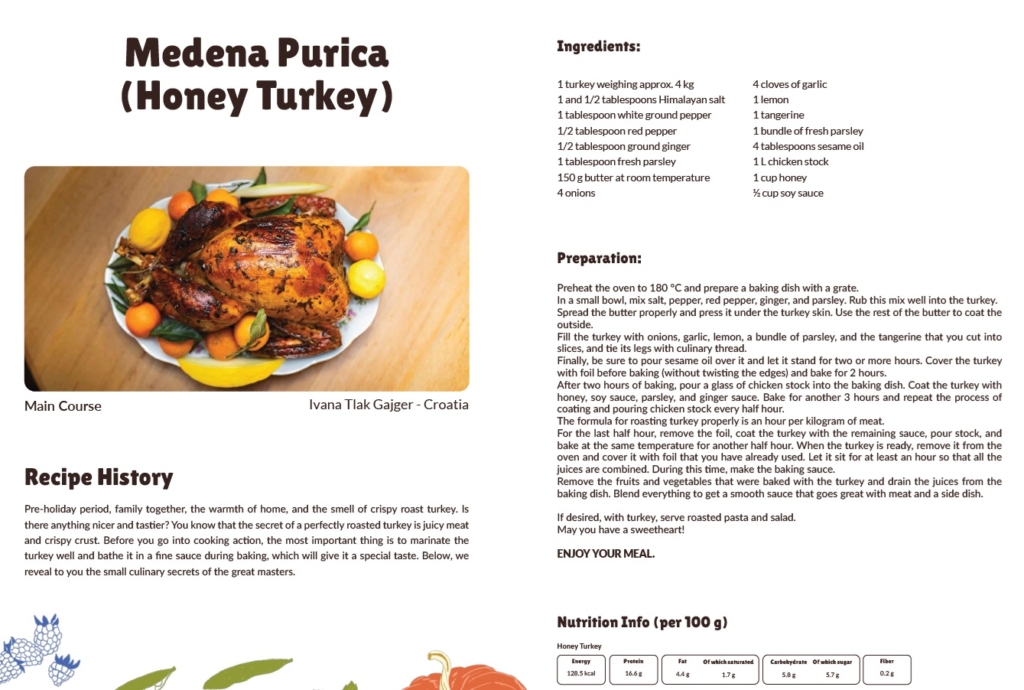
Have you had an experience in creative illustration to translate scientific knowledge?
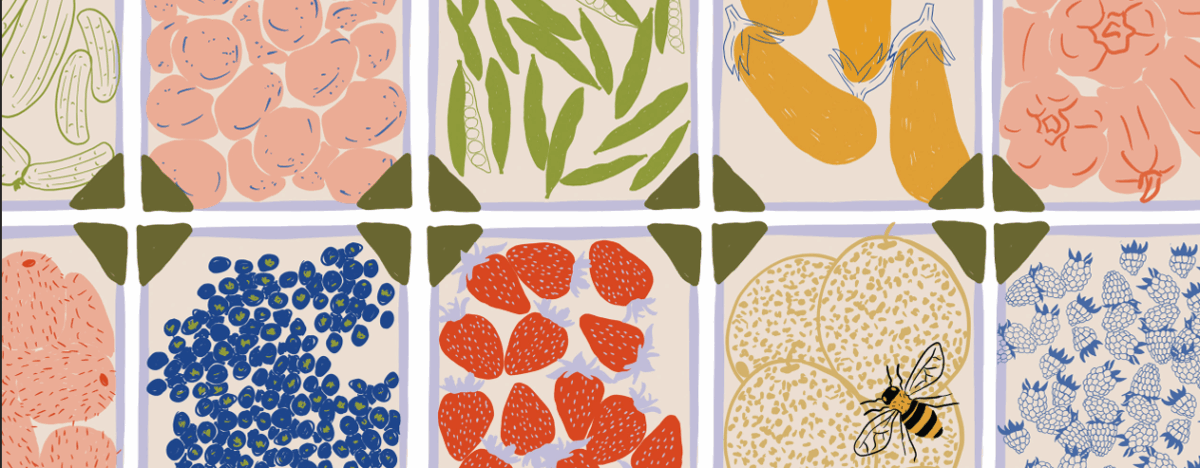
Yes. The project was supported by a professional graphic designer and an illustrator who helped transform scientific concepts and cultural narratives into a visually engaging and accessible publication. Their contribution was essential in strengthening the book’s communication impact.
How can public engagement and science communication projects like this improve knowledge of your field?
Such projects help bridge the gap between science and society. By presenting research through familiar formats like food and storytelling, they encourage curiosity, understanding, and trust in scientific knowledge.
What impact do you hope to achieve?
We hope to raise awareness of honey’s nutritional and cultural value, highlight the importance of bee safety, and demonstrate how international scientific collaboration can resonate beyond academic settings.
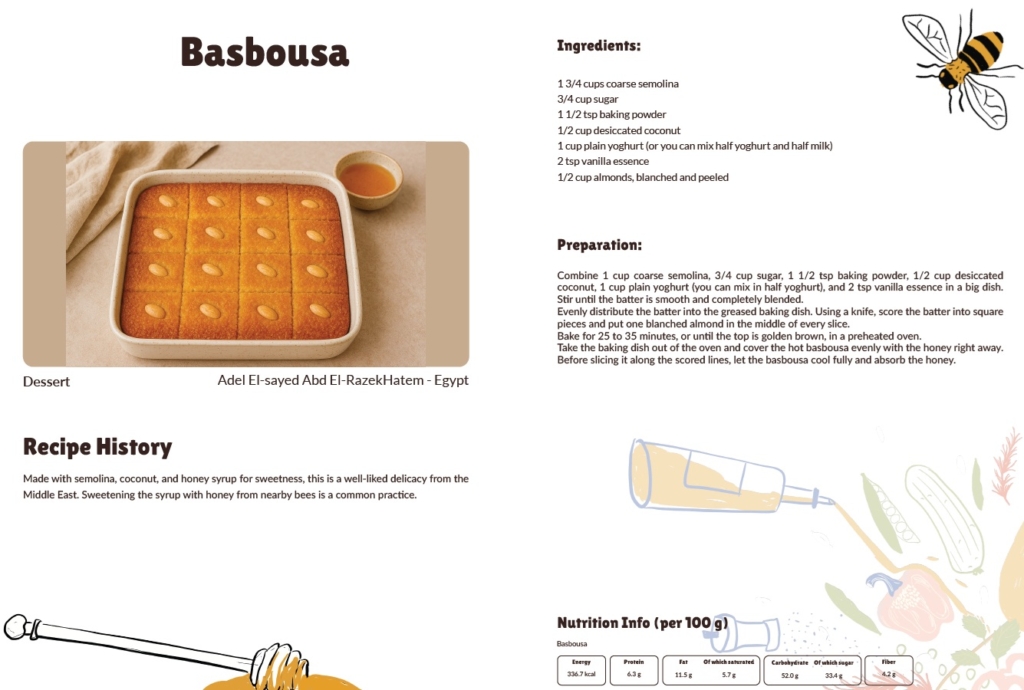
How will the book be distributed?
The recipe book is available as a free downloadable eBook on the BeSafeBeeHoney website repository and the COST Website.
A limited number of printed copies were produced and are being gifted to COST Action members and distributed at events. In Portugal, printed copies were also deposited in national repositories as part of the printer’s press and dissemination commitment.
What did you learn during this journey?
We learned that interdisciplinary collaboration greatly enhances science communication. Bringing together scientists, contributors from different cultures, a graphic designer, and an illustrator showed how visual storytelling and personal narratives can make scientific content more engaging and impactful.
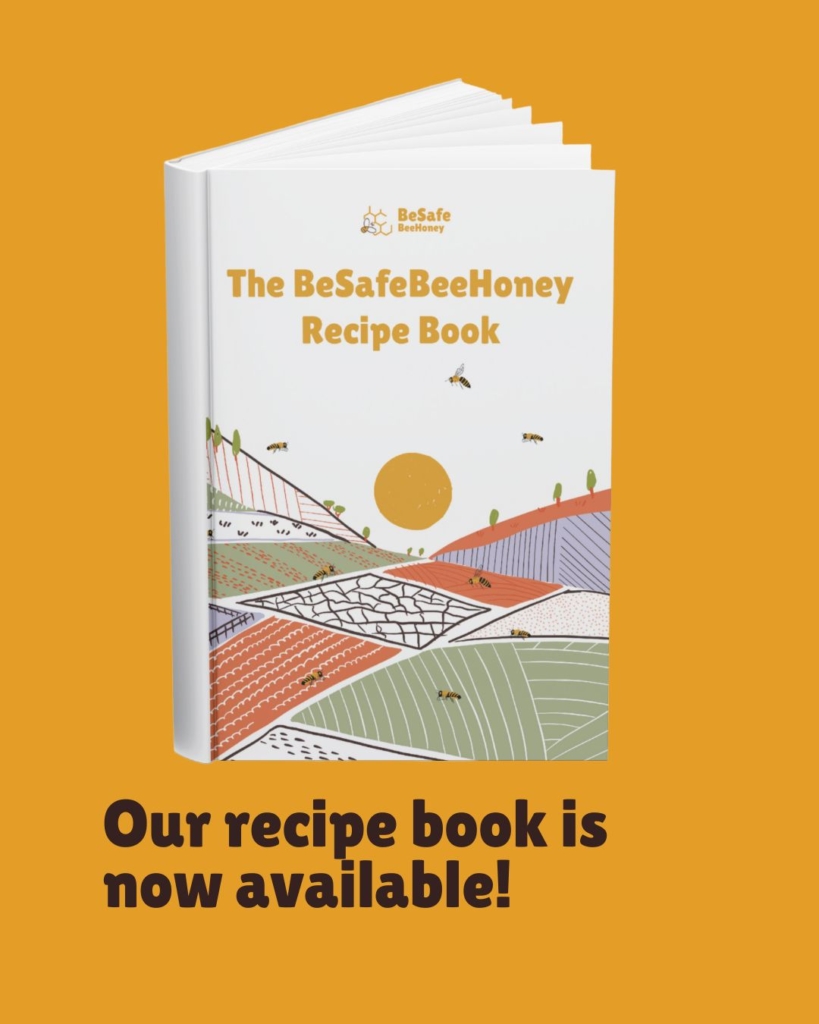
The Recipe book can be downloaded here.
Further Information
Read the news about the Action
Follow BeSafeBeeHoney on LinkedIn, Facebook, X/Twitter and Instagram
Other science communication best practice examples: