“If you have a garden and a library, you have everything you need.”
This famous quote by Cicero reminds us that the beauty of life lies in the harmony between nature and knowledge. More than two thousand years later, this idea still resonates, particularly with a group of European researchers who have created a unique type of ‘garden’: one that grows from chemistry itself.
The beauty of chemical gardens
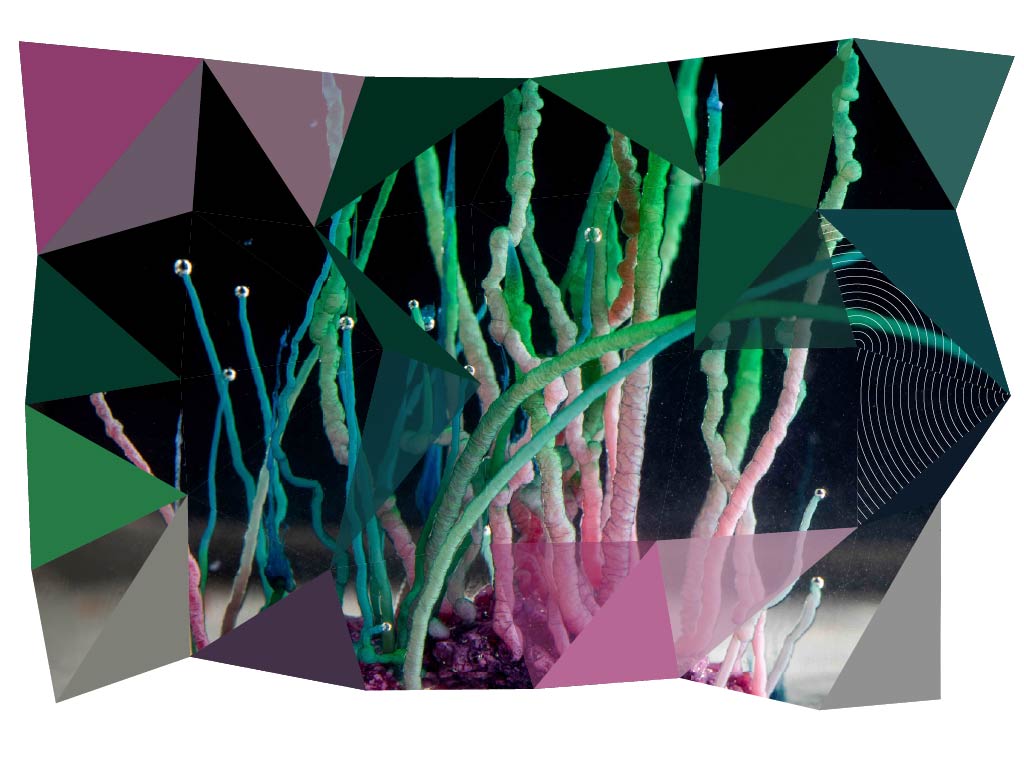
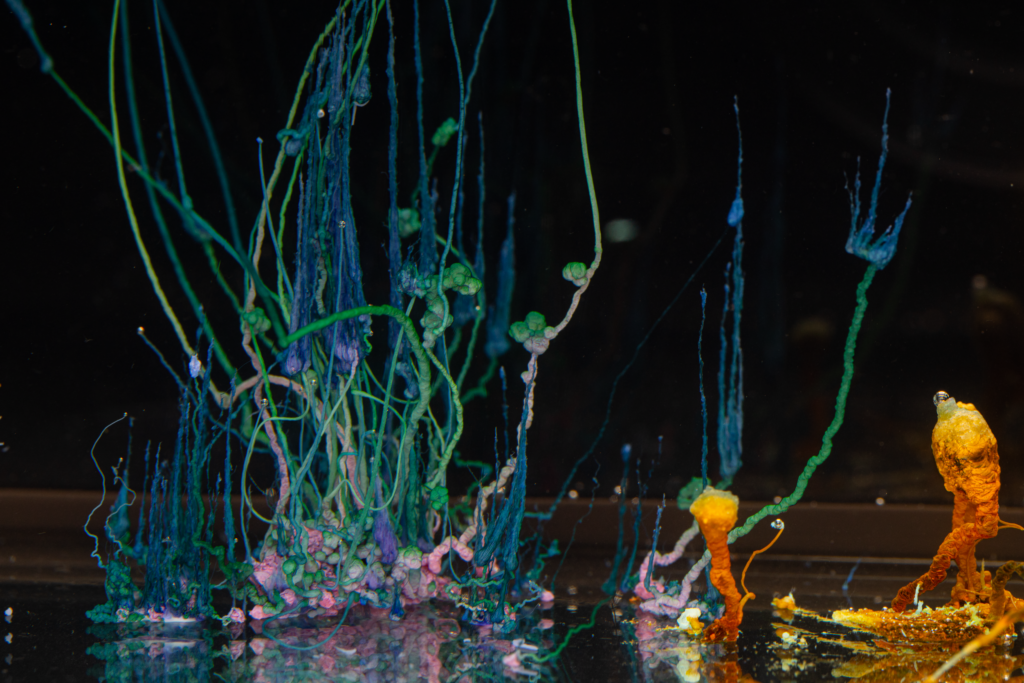
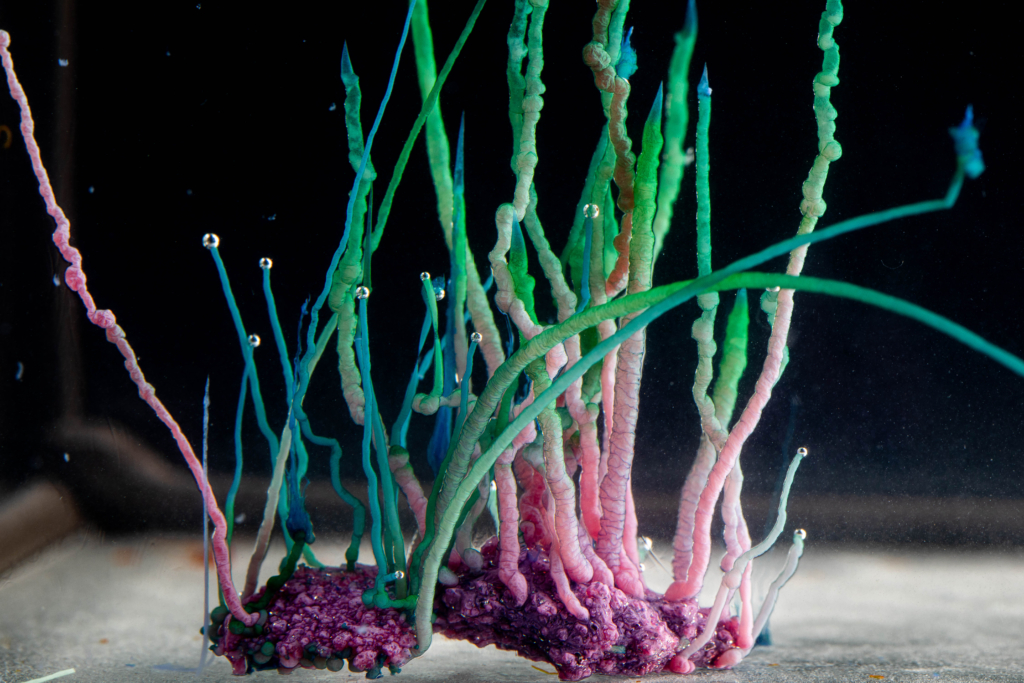
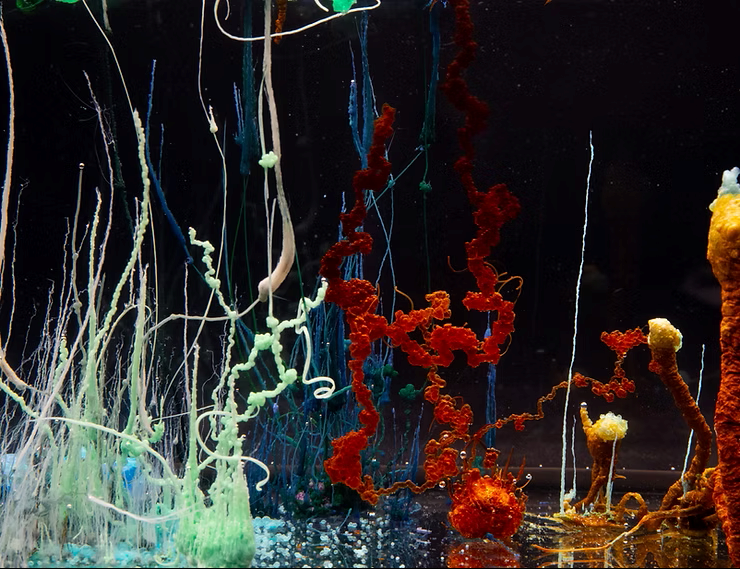
When certain metal salts are placed in water, strange, delicate, plant-like tubes and filaments begin to grow, twisting and blooming into colourful shapes. These creations, known as chemical gardens, are the result of natural chemical reactions. What appears to be art is actually science in motion.
Behind these mesmerising shapes lies a complex world of physics, chemistry and biology. Understanding these reactions could help scientists to design new materials, improve biomedical devices, capture gases such as carbon dioxide and even gain insight into how life first emerged on Earth.
A European network of curiosity
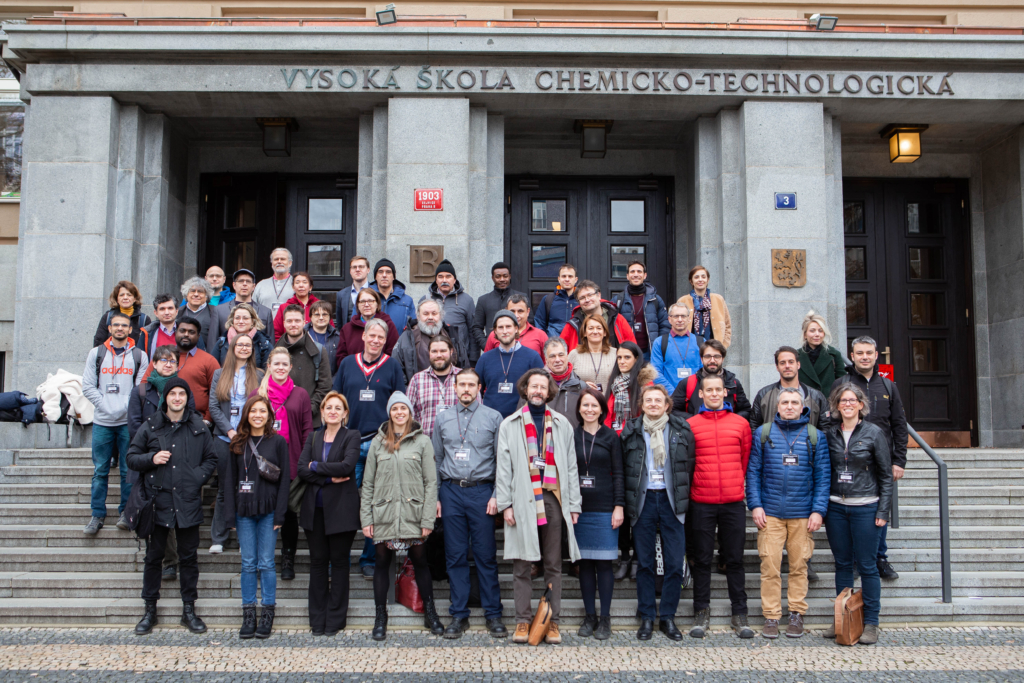
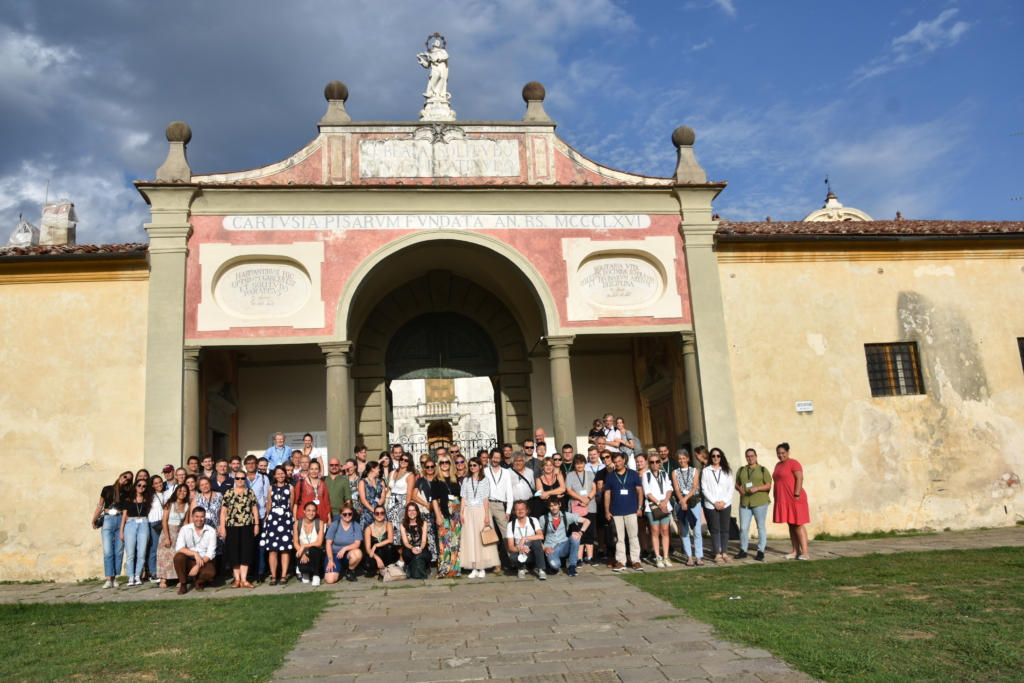
To unlock the secrets of these self-growing forms, the COST Action Chemobrionics (CBrio) brought together chemists, physicists, mathematicians, engineers, and artists from across Europe. Many of them had never worked together before, but this diversity became the Action’s greatest strength.
Led by Professor Julyan Cartwright of the Spanish National Research Council (CSIC), the network built lasting collaborations that continue today.
“The most important achievement,” he explains, “was the establishment of a community of researchers that persists to this day.”
Its influence can be seen in the growing number of publications and projects now using the term chemobrionic that barely existed before this Action began.
Shared science
The CBrio Action not only advanced science but also opened laboratory doors to the public.
Dr Carlos Pimentel of the Complutense University of Madrid created an online Chemobrionics Database which categorises chemical gardens from around the world according to their components and experimental conditions. Anyone can explore the database to learn how chemical gardens form, what materials are used and what discoveries have been made. “The database started out as an internal tool,” he explains, “but it became so useful that I decided to make it public, and I continue to update it regularly. I am proud of this project.”
This living archive continues to grow and attract interest from researchers and science enthusiasts.
Recognised as a reference by Altmetric, the database is now a valuable tool for scientists worldwide, offering curious minds an accessible way to explore this emerging field.
Science on the big screen
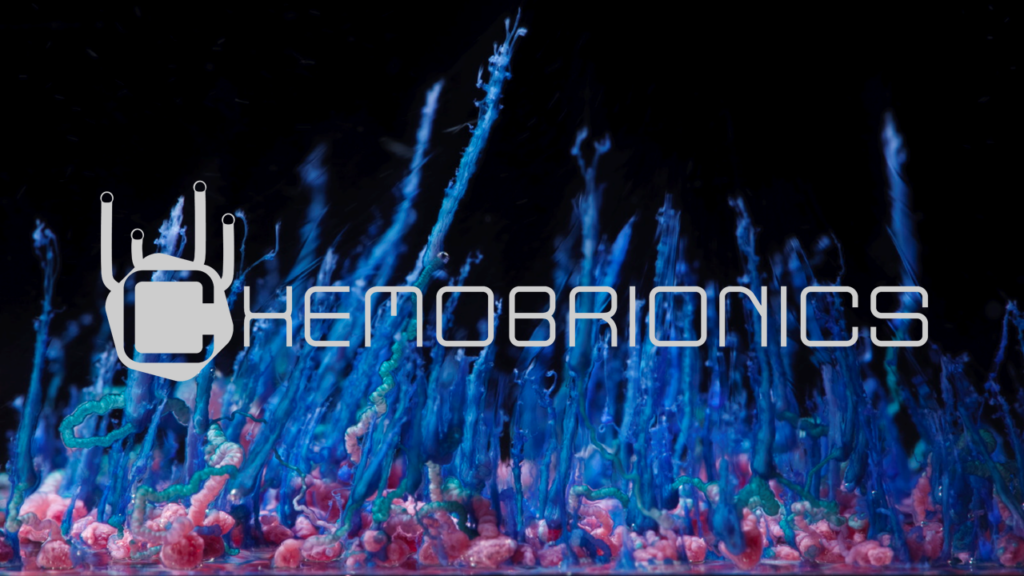
Dr Jitka Čejková, the Action’s Science Communication Coordinator, found a new way to share science with the world. Working alongside filmmaker Mathis Leemann, who was a physics student at EPFL at the time, she produced the short documentary Chemobrionics. The film premiered at the Ji.hlava International Documentary Film Festival in 2021 and later became a finalist at the Academia Film Olomouc Festival.
“The film allowed us to show science as something beautiful and alive,” she says. “It sparked curiosity and helped people see chemistry from a completely new perspective.”
Jitka also contributed to Robot 100: Sto rozumů, a book celebrating the 100th anniversary of Karel Čapek’s play R.U.R., where she and other members of the Action explored links between artificial life, robotics, and chemobrionics, once again bridging science and creativity. “The book contains the original play along with contributions from 100 personalities, including several members of our COST Action whose texts are connected to our research themes”, Jitka explained.
When science meets art
The Action also inspired new artistic collaborations. For example, researcher Tan Phat Huynh worked with artist Jan-Erik Andersson on ‘The Table and the Tubes’, a creative booklet that explores the intersection of art and science, using chemical reactions to convey visual stories.
Similar events, including public ‘science and art nights’ in Finland, invited people to discuss and experience chemistry in entirely new ways.
These artistic projects helped make complex science an understandable, visual, and emotionally engaging subject that both scientists and the public can appreciate.
A lasting impact
For Professor Ágota Tóth from the University of Szeged, who coordinated the Action’s mobility grants, the true success of CBrio lies in the opportunities it created: “We funded around 50 scientific visits, and from those, longer collaborations have evolved. Even now, I see joint publications from participants. The network gave early-career researchers a platform to present their work and build connections that will last a lifetime.”
“The Action has allowed me to enjoy COST events and activities. I have been a lecturer on one of the courses they have organised, received an STSM grant and participated in a COST conference”, continuesCarlos Pimentel.
“Participating in the Action provided me with valuable opportunities to connect with leading scientists, present our work to broader audiences, and gain visibility both within and outside my field,” adds Jitka Čejková.
Beyond research papers, the Action’s legacy lives on in artistic works, online resources, and educational materials. It has also inspired a Special Collection on Chemobrionics, showcasing the field’s latest developments.
From gardens to knowledge
Through CBrio, Europe’s scientists have demonstrated that nurturing curiosity can lead to the growth of knowledge in the most unexpected of places — even from a drop of salt in water.
“It is a joy to see how the people brought together by this project continue to collaborate and advance the frontiers of chemobrionics knowledge,” shares the Action Chair Prof. Cartwright.

“The most important achievement was the establishment of a community of researchers that persists to this day.”
Prof. Julyan Cartwright, Chair of Action CBrio
Today, as chemical gardens continue to grow in laboratories around the world, they stand as symbols of both nature’s creativity and human imagination.
Just as Cicero once reflected on the importance of gardens and libraries, the CBrio Action reminds us that true progress flourishes when knowledge and beauty grow together.