On the International Day for Biological Diversity, we spotlight a COST success story that highlights the importance of knowledge sharing in protecting nature. The COST Action ConservePlants brought together experts from across Europe to help create a stronger future for endangered plant species.
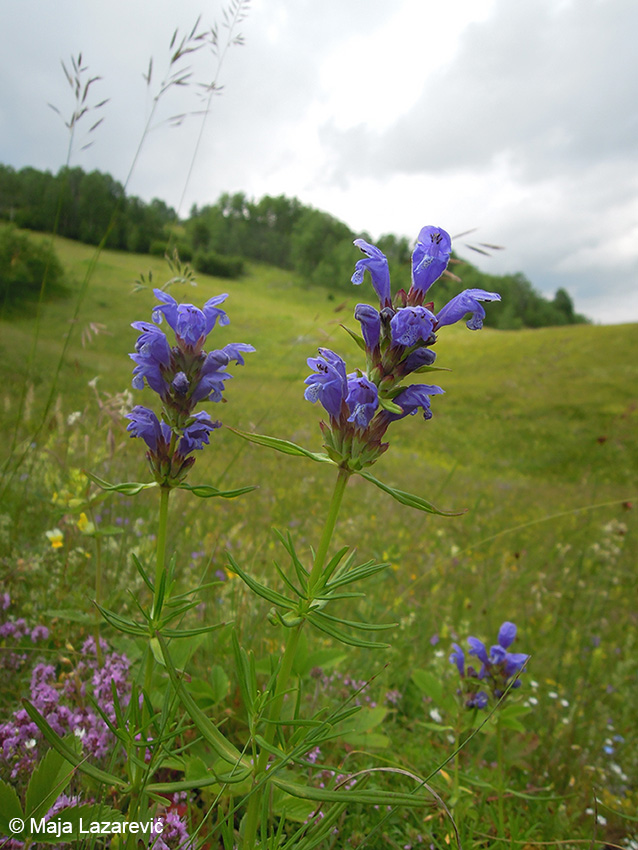
Photo by Maja Lazarević
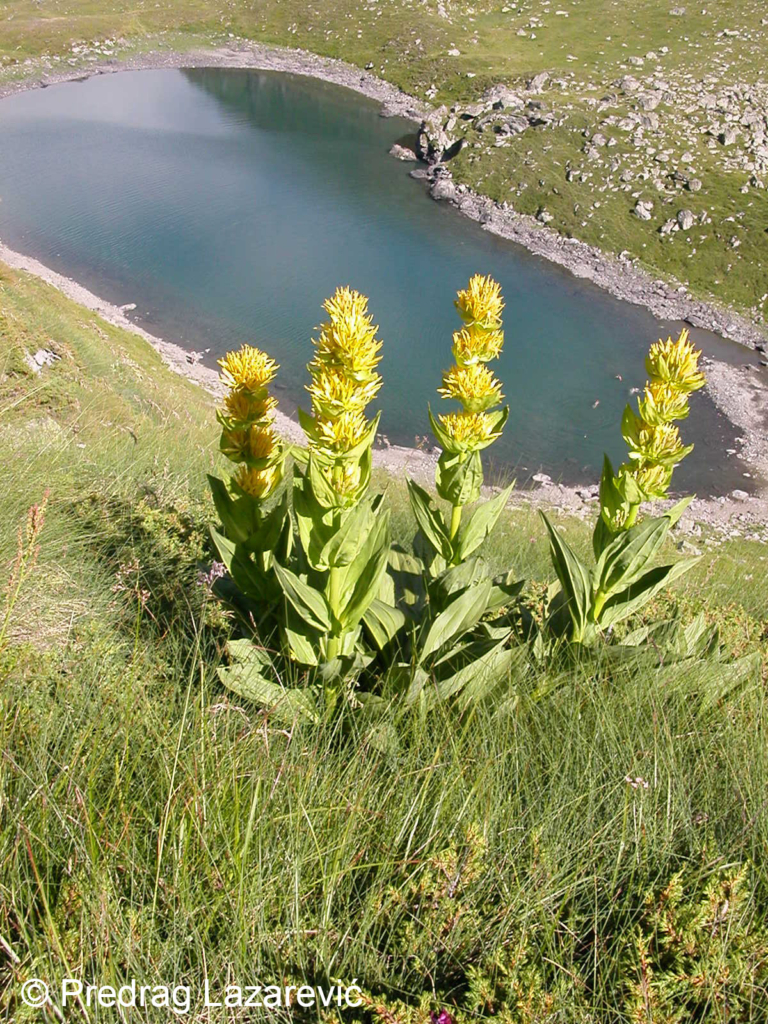
Photo by Predrag Lazarević
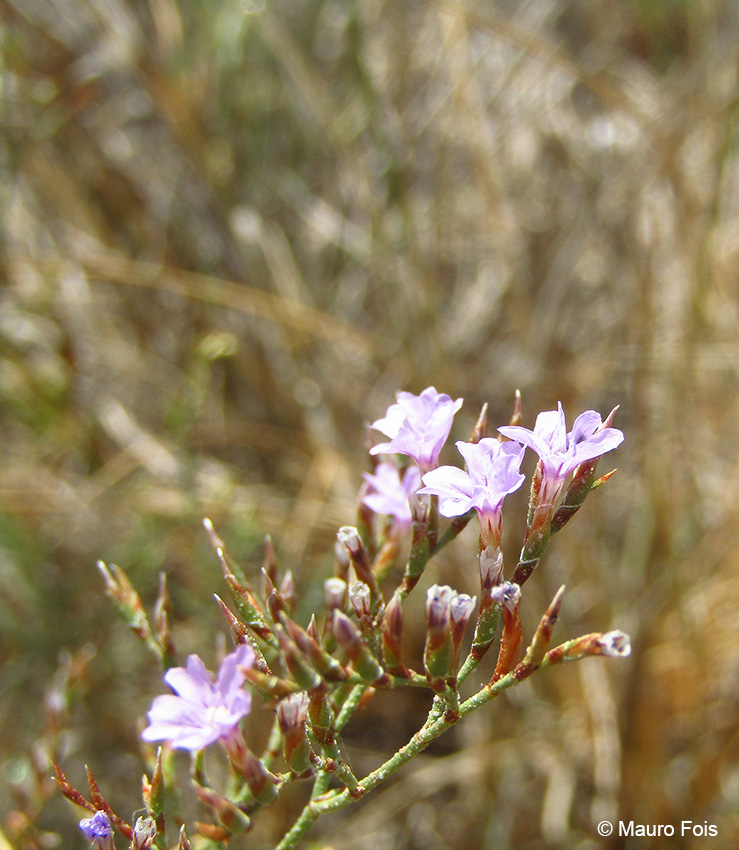
Photo by Mauro Fois
Europe’s rarest plants often grow in places that people rarely visit, such as cliffs, rocky islands and narrow riverbanks. Their low visibility does not make them less important, but it does mean that conservation efforts are often highly local, led by small teams responding to specific threats in specific places. Over time, valuable knowledge about plants has been recorded in local reports, personal notebooks or short-term project outputs rather than being shared widely.
The COST Action ‘An integrated approach to conservation of threatened plants for the 21st Century’ (ConservePlants) has addressed this issue by creating a practical, lasting solution: a shared, open database that compiles Europe’s expertise in conserving endangered plant species.
Some plants are more vulnerable to extinction because they rely on specific pollinators that are also declining
Europe’s most threatened plant species are often found in only one country
Red lists from 41 European countries have been compiled into a single, shared resource
Building a home for conservation knowledge
Before the COST Action ConservePlants, useful information for conservationists existed, but it was difficult to find and often incomplete or limited to certain countries or types of action. Dr Maja Lazarević, Associate Professor at the University of Belgrade and coordinator of the conservation actions database within the ConservePlants, clearly describes this challenge. She explains that existing databases often contained “only some basic information, were not updated regularly, and were confined to specific geographic regions or types of action.”
Maja Lazarević also highlights a deeper problem. Much conservation work never reaches scientific journals and is therefore “often not publicly or easily accessible.” Consequently, valuable experience from past projects risks being lost or repeated.
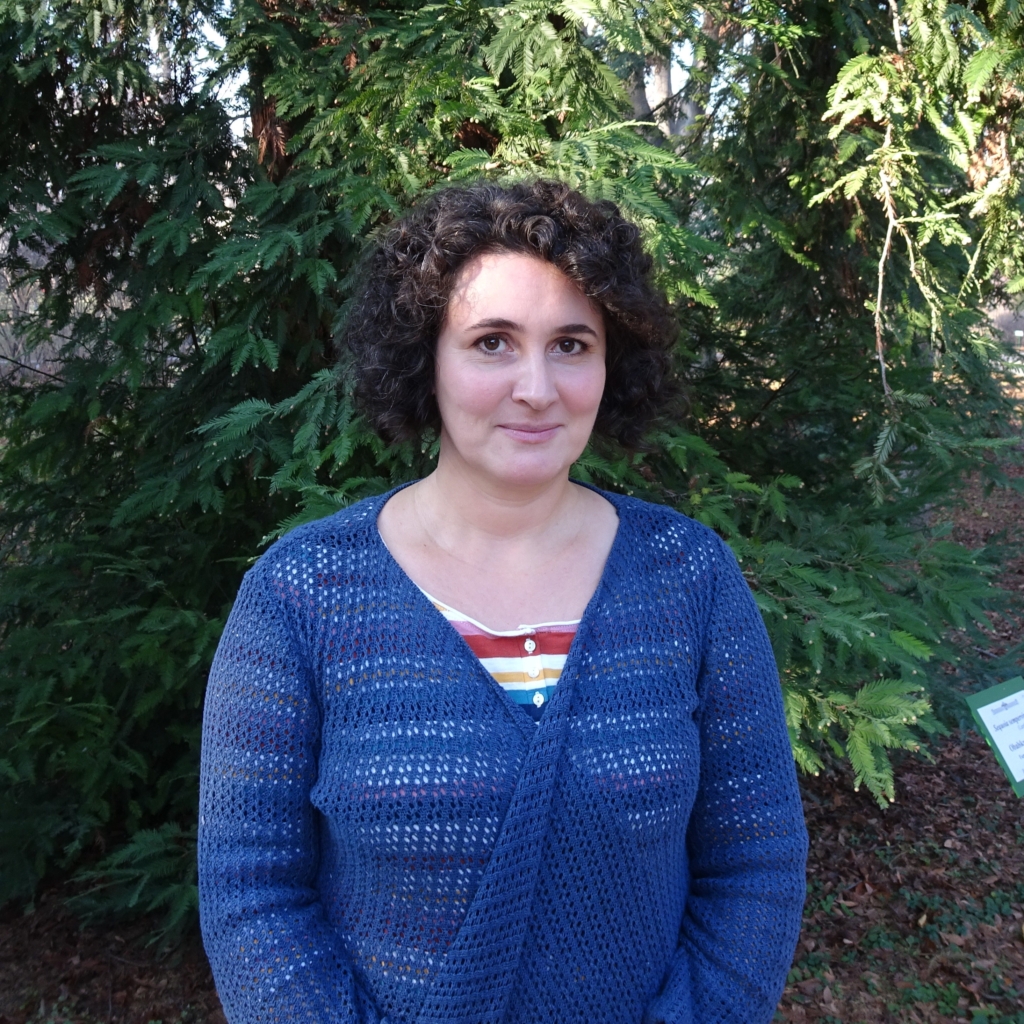
Coordinator of the conservation actions database in ConservePlants
“At a time when the state of biodiversity is constantly deteriorating, we urgently need to share knowledge and experience, rather than letting it remain scattered or inaccessible.”
To address this issue, ConservePlants has created a dedicated database of conservation actions for threatened plant species. The database defines conservation actions as concrete activities carried out to help threatened plant species survive in the wild. Currently, the database contains around 3,500 conservation actions from 32 European countries, covering over 900 plant taxa from nearly 100 plant families, with records dating from the year 2000 onwards.
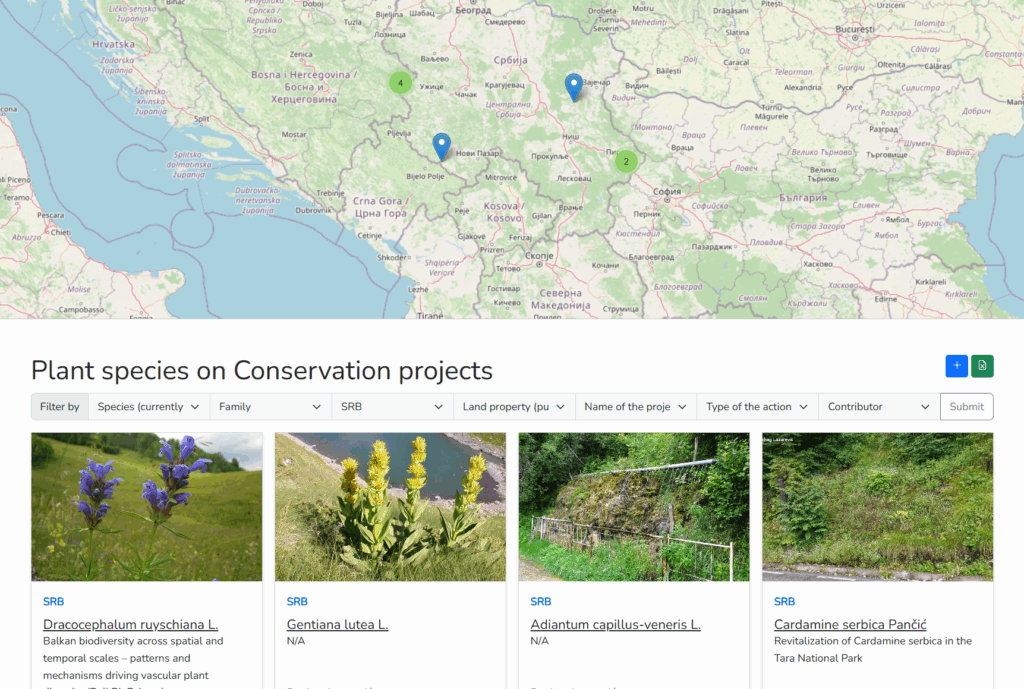
For each action, the database records the location of the activity, the institutions involved, the funding source, the conservation status of the species, details of in situ measures in the wild and ex situ measures such as seed banks, and information on monitoring and success evaluation.
The database, which is hosted by the Faculty of Biology at the University of Belgrade and jointly operated with partners from the University of Coimbra, is openly accessible. Maja Lazarević stresses that “any interested person can access the database, whether they are planning new conservation measures, making decisions on species or habitat protection, or preparing assessments for the International Union for Conservation of Nature (IUCN) Red List of Threatened Species or the IUCN Green Status of Species.”
Furthermore, the database has been designed as a long-term interactive resource. Registered users can upload information about new conservation activities, allowing the content to grow over time. As Maja underlines, “the idea is to regularly update the database in the future, to monitor plant conservation activities across Europe in the long run and to promote best practices for the benefit of biodiversity.”
Turning evidence into action
As the network expanded, ConservePlants also encouraged researchers to take a fresh look at plant conservation in Europe. Professor Marta Galloni of the University of Bologna, Science Communication Coordinator of the ConservePlants Action, highlights that several collaborative studies revealed important gaps in existing knowledge.
One example is the work using the SHARP (Species’ Habitat, Demography, Threats and Responses) approach, a method designed to identify weak points in a plant’s life cycle. Professor Galloni explains that “the results allowed us to identify critical gaps in life-cycle knowledge for appropriate conservation actions.” These findings were published in an international peer-reviewed journal, ensuring that they could inform future conservation planning beyond the lifetime of the Action.
“Within the COST Action, multiple networks have been established, which would not have been possible without the collaboration of so many researchers and practitioners.”
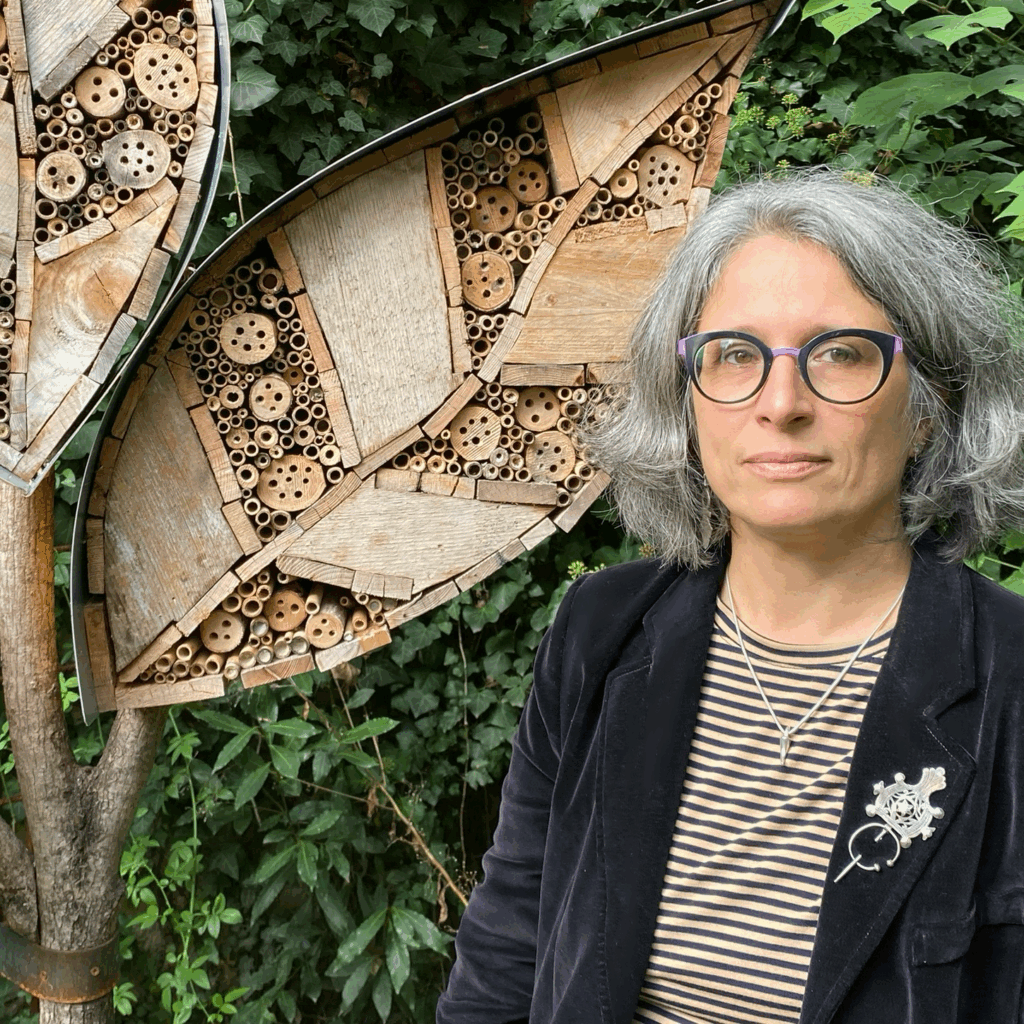
Science Communication Coordinator of the ConservePlants
Another major effort focused on analysing national Red Lists of vascular plants from partner countries. This analysis showed that Europe’s most threatened plant species are often found in just one country, meaning their survival depends on conservation efforts in that one location. It also revealed significant knowledge gaps in regions of high biodiversity, such as the Balkan Peninsula. These insights directly shaped Action activities, including a training school in Montenegro that supported the establishment of a national Red List of vascular flora.
Through this work, the Action also contributed to wider European resources. These include a publicly available database that brings together Red Lists from 41 countries and a comprehensive dataset of floral traits and other variables of rare and threatened plant taxa from EU countries. This dataset may help researchers better understand extinction risks and could serve as a basis for conservation purposes, as outlined in a recently published paper in the Biological Conservation journal.
From research to real life
Dissemination and communication were central to the ConservePlants Action. As well as scientific publications, materials about CITES plants of Europe and practical guidelines for conservation managers, the network invested heavily in training and outreach activities.
Professor Galloni notes that the training schools and workshops covered a wide range of topics, including pollination ecology and genetics, theory and techniques of plant translocations, to citizen science and cryopreservation. These events brought researchers and practitioners together, allowing them to share methods, compare experiences and learn from real conservation cases across Europe.
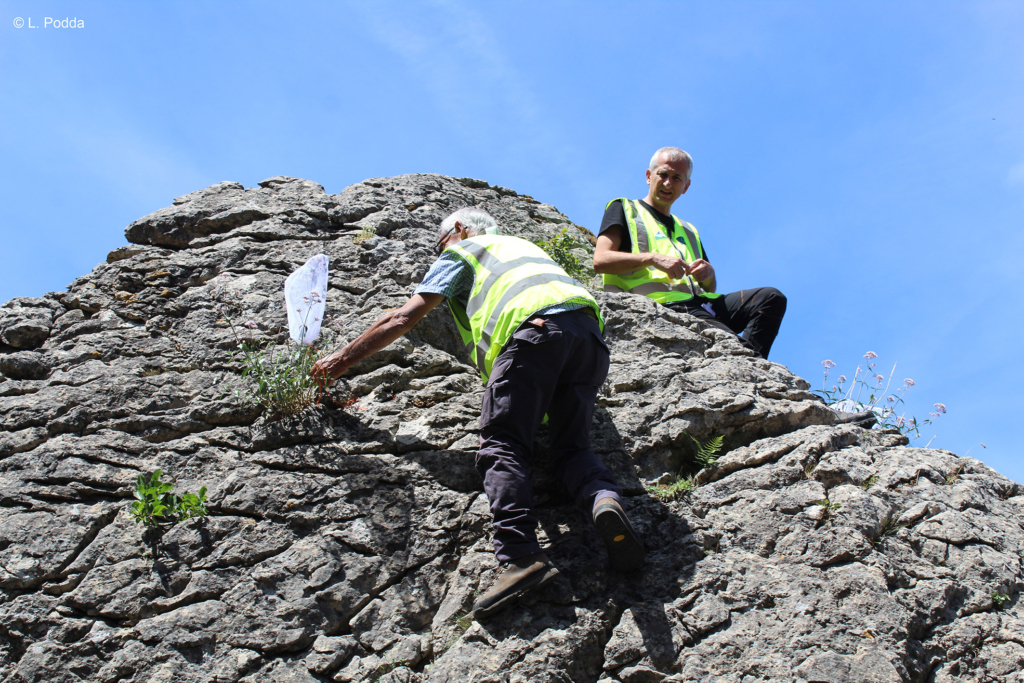
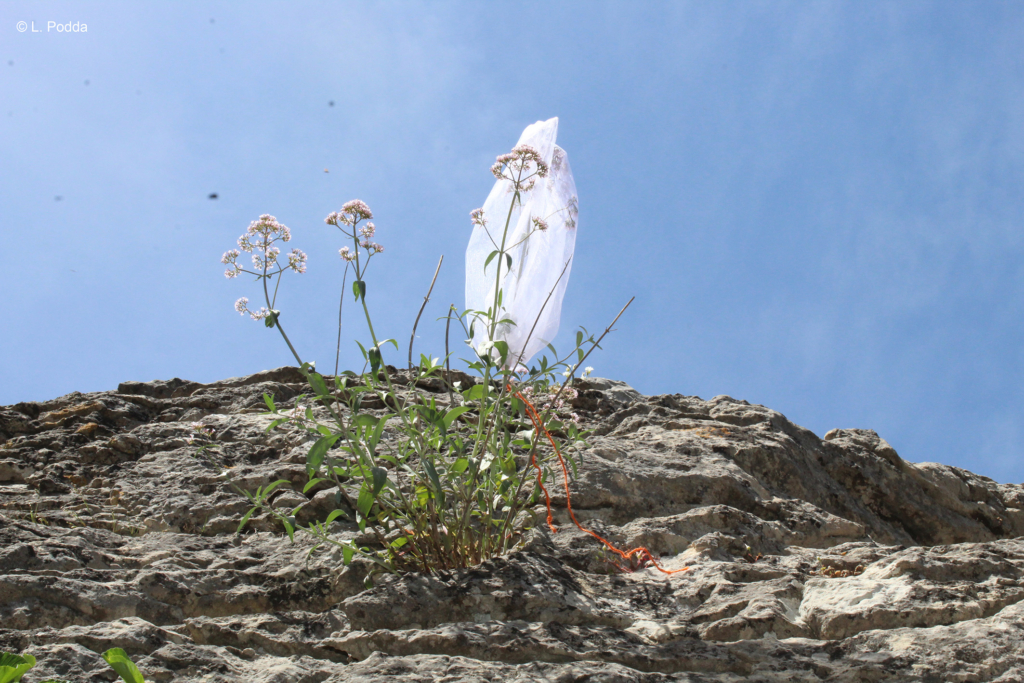
Valeriana amazonum seed collection. Photo by L. Podda
A particularly creative outcome of collaboration among young researchers from different countries was a series of children’s books entitled ‘Stories about endangered plants’. Created within the Action, these books translate complex conservation challenges into simple stories to help children and families understand the importance of protecting plant diversity.

Built to last
By facilitating collaboration between researchers and practitioners on a European scale, the COST Action ConservePlants has transformed disparate efforts into a formal consortium. It has brought together data, people and ideas, creating tools that will support plant conservation long after the Action itself has ended.
At its core, the database ensures that conservation knowledge is neither lost nor forgotten. Instead, this knowledge will remain open and accessible, ready to inform future decisions. For Europe’s rarest plants, this shared memory may be vital for their survival.
However, for Marta Galloni, the real strength of the Action lies in its people. As she reflects: “The best outcome was seeing all members show great interest in questioning previous knowledge and exchanging new field and laboratory methodologies. Such positive feedback came not only from early-career researchers, but also from senior ones, and active collaborations among partners are still ongoing, even though many have not been formally established.”
What began as a COST-funded network has grown into a community that continues to collaborate across borders and disciplines. In this way, ConservePlants illustrates the added value of COST support. “Within the COST Action, multiple networks have been established, which would not have been possible without the collaboration of so many researchers and practitioners,” concludes Marta.