The air we breathe is essential for living a healthy life. During the considerable time we spend inside public and private buildings and enclosed spaces, such as homes, offices, schools, and transport systems, we are exposed to air pollutants originating indoors or entering from outdoors, making indoor air quality (IAQ) a crucial aspect of our everyday well-being.
There is now sufficient evidence showing that people are exposed to more polluted air indoors than outdoors, with clear implications for human health. While the EU has long regulated outdoor air quality, attention to indoor environments is now increasing. In particular, the revised Energy Performance of Buildings Directive (EPBD) introduces requirements that support healthier indoor spaces. These developments reflect a growing recognition at the European level of the need to improve IAQ as part of broader efforts to protect public health and enhance quality of life.
Numerous studies have demonstrated that poor IAQ can harm people’s health and have a negative impact on productivity. Indoor air pollution (IAP) is a complex mixture of thousands of contaminants originating from various sources. These pollutants include particulate matter, inorganic gases, volatile organic compounds, and bioaerosols such as mould spores, pollen, and airborne pathogens, including viruses.
Identifying pollution sources
The most effective way to promote healthy indoor air is by identifying and eliminating pollution sources, combined with ensuring adequate ventilation using clean outdoor air. However, it is not always possible to remove all indoor pollution sources in every environment. Additionally, natural ventilation might not be feasible when outdoor air is contaminated, and it can decrease a building’s energy efficiency.
As a result, air cleaning technologies are increasingly seen as promising solutions for providing clean indoor air, with many now being introduced to the market. Several types of air cleaning technologies exist, including those that remove aerosols, gases, and biological contaminants.
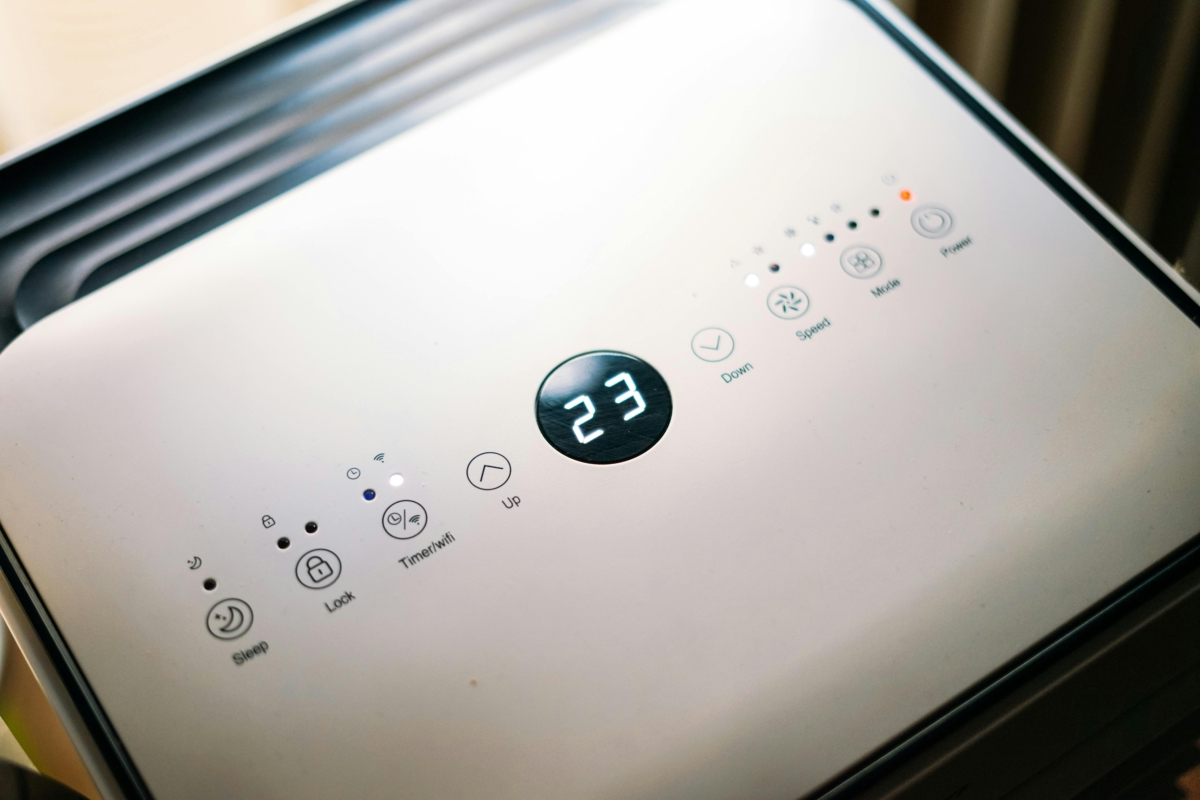
Indoor air cleaners (often marketed as “air purifiers”) are devices designed to remove contaminants from the indoor air of enclosed spaces. Their advanced technologies, such as innovative filtration systems, air disinfection methods, and units equipped with automated sensing or control features, are increasingly used to reduce indoor pollutant levels in homes, offices, healthcare settings, and public infrastructure. The global indoor air cleaning market is experiencing rapid growth, driven by rising consumer awareness and increasing concern over the health risks associated with poor air quality.
However, due to limited public awareness and market information, technological limitations, insufficient independent scientific validation, and a lack of standardisation there is a clear need to compile accessible, reliable information on available indoor air cleaning technologies. Progress in this field will also require strengthened collaboration among researchers, key regulators, and industry stakeholders.
Introducing Net4CleanAir COST Action
The current knowledge reveals that there is no single air cleaning solution that can effectively remove all indoor air pollutants. Moreover, air cleaning technologies often still face several challenges. Some may trigger chemical reactions that generate by-products more harmful than the original pollutants. Connectivity and integration with building management systems remain limited, and air cleaning systems require regular maintenance to remain effective, yet costs and long-term performance are often overlooked. Energy consumption can also be significant, and some technologies produce noise levels unsuitable for quiet environments. Limited integration with real-time IAQ monitoring further hinders effective control of indoor air cleaners.

To respond to this observation and explore solutions, the Network for Indoor Air Cleaning (Net4CleanAir), set up an international and interdisciplinary network to promote clean air for healthy, energy-efficient indoor environments across Europe. Since the kick-off, Net4CleanAir COST Action has gathered more than 300 experts from academia, industry, and public health spread across 44 countries, including research institutes, SMEs, and policy bodies.
“Indoor air cleaning technologies are quickly growing in the market, but without consistent scientific validation and clear standards, citizens cannot fully benefit from them. Net4CleanAir brings together experts from different countries and across various fields to build the evidence and guidance needed to ensure clean, healthy indoor environments.”
Dr Sofia Sousa, Chair of Net4CleanAir
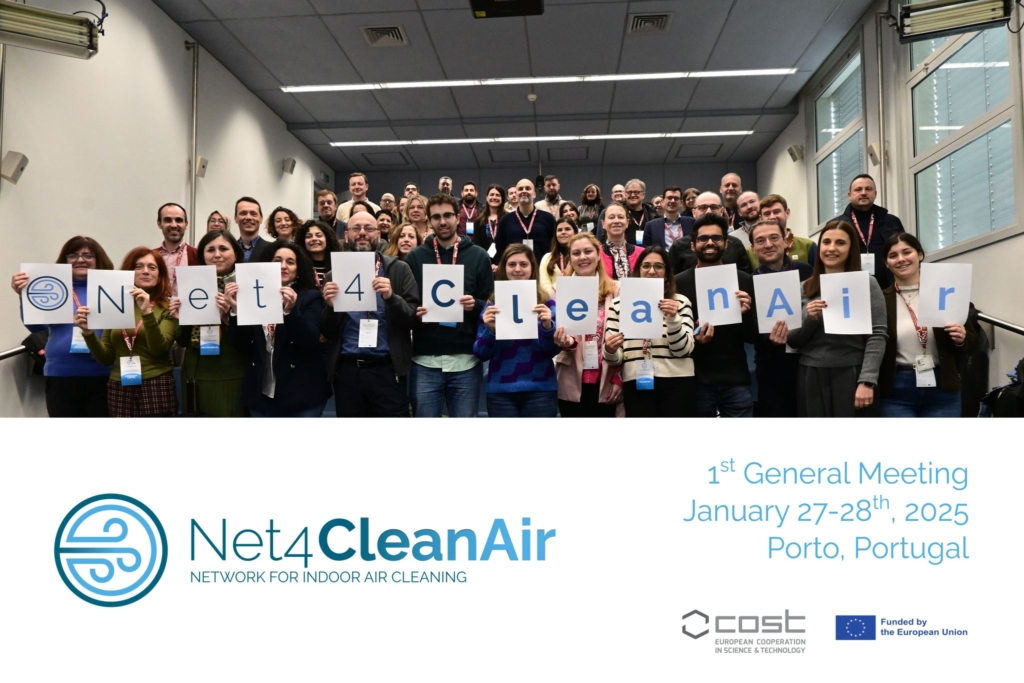
Net4CleanAir will collaborate with world-leading experts across key areas of air cleaning research and innovation, offering a unique opportunity to drive advancements beyond the current state of the art, particularly in contributing to the future development of standards, regulations, and decision-making systems for indoor air cleaning technologies.
With the growing number of unregulated air cleaning devices entering a rapidly expanding market, there is an urgent need for action. The network aims to map current technologies, assess existing market solutions, and identify key challenges to support future innovation and standardisation efforts.
“Clear communication and informed awareness are essential for advancing cleaner indoor air. Through Net4CleanAir, we aim to make reliable knowledge accessible and help guide the development of safer, more effective air cleaning solutions across Europe,” adds Pedro Branco, Science Communication Coordinator for Net4CleanAir.
The Action will now work to identify key knowledge and technology gaps, assess current solutions, and strengthen collaboration across Europe. These next steps will guide future innovation and standardisation, contributing to the development of safer, more effective indoor air cleaning solutions for citizens and communities.
Net4CleanAir 1st Training School, an important milestone
Last February, Net4CleanAir organised its first training schools at Fundación CEAM – EUPHORE Labs in Valencia, Spain. The event gathered 20 Young Researchers and Innovators for three days of intensive training, practical activities, and scientific exchange centred on indoor air quality and air purification technologies.
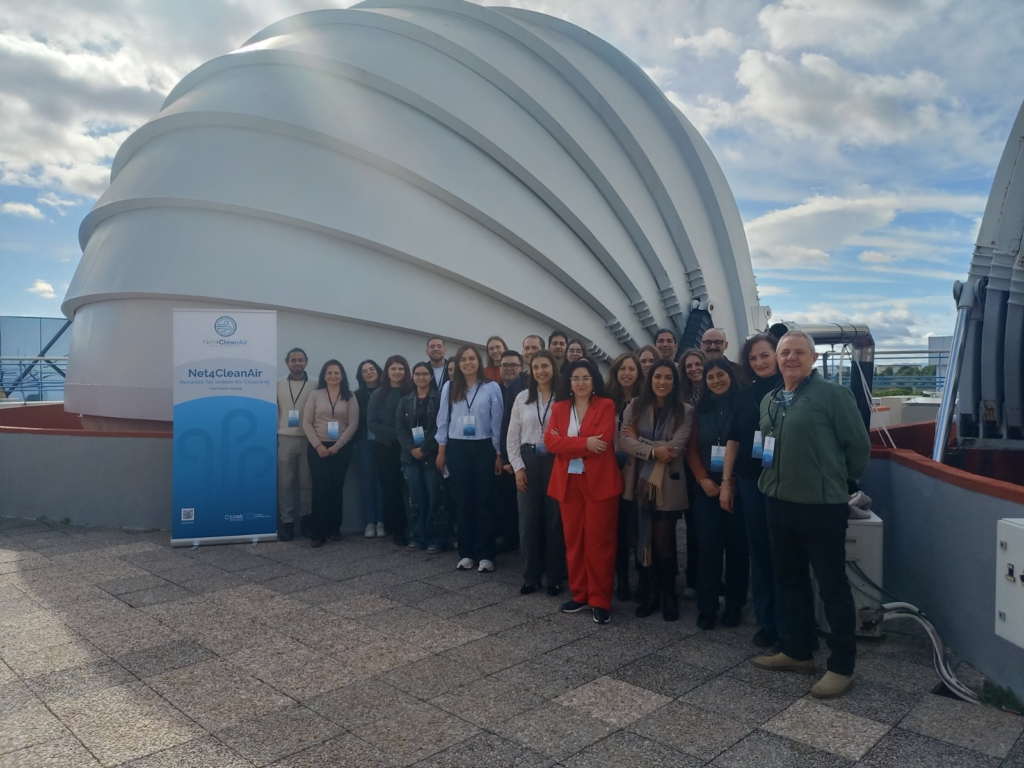
“I greatly enjoyed the Net4CleanAir Training School and found it extremely valuable for strengthening both my scientific perspective and practical skills. Beyond the lectures and discussions, what I appreciated most was seeing the real day-to-day reality of research, something that is not often shown in standard PhD training schools. I will take forward new ideas and practical tools that I can apply directly to my work on catalysis for air pollution control. In addition, meeting early-career researchers and sector experts was extremely valuable for building a strong network, exchanging perspectives and creating a solid basis for future collaborations.” Eleonora La Greca, University of Catania & CNR‑ISMN, Italy.
Additional information
View the Action website
View the network website: https://net4cleanair.eu/
Follow Net4CleanAir on social media: LinkedIn