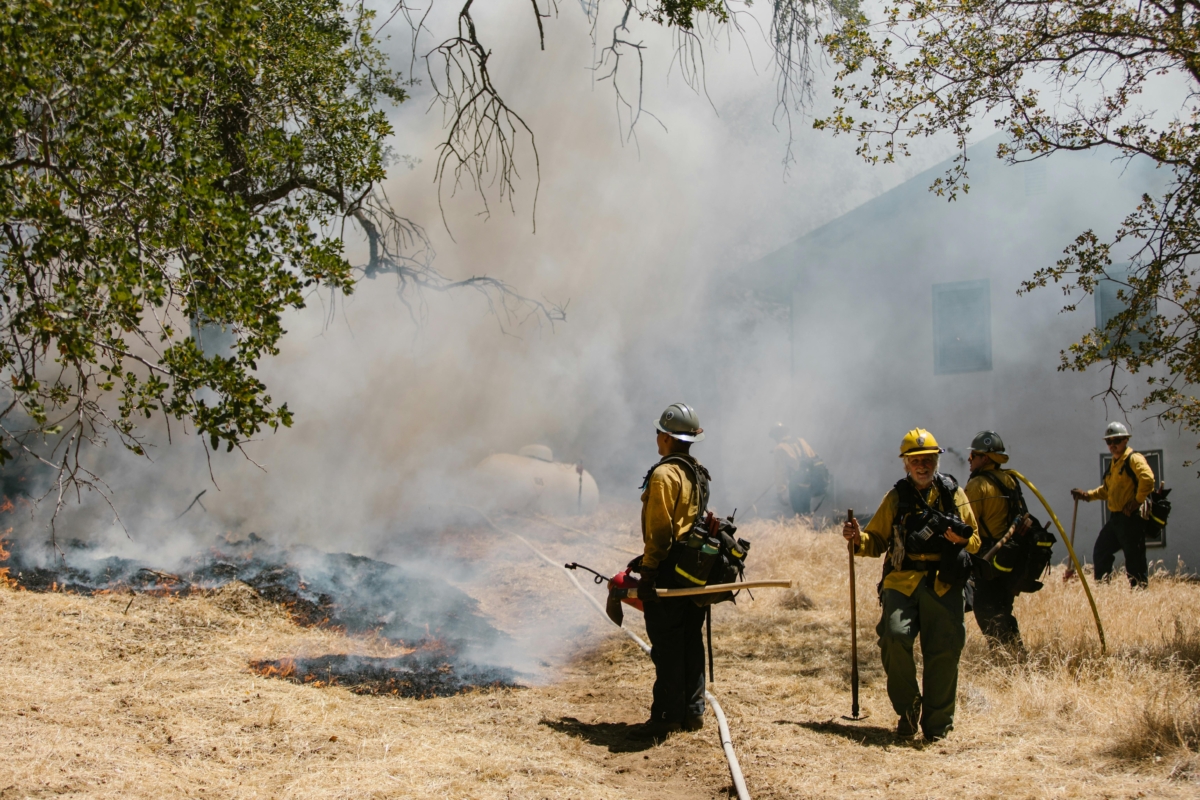
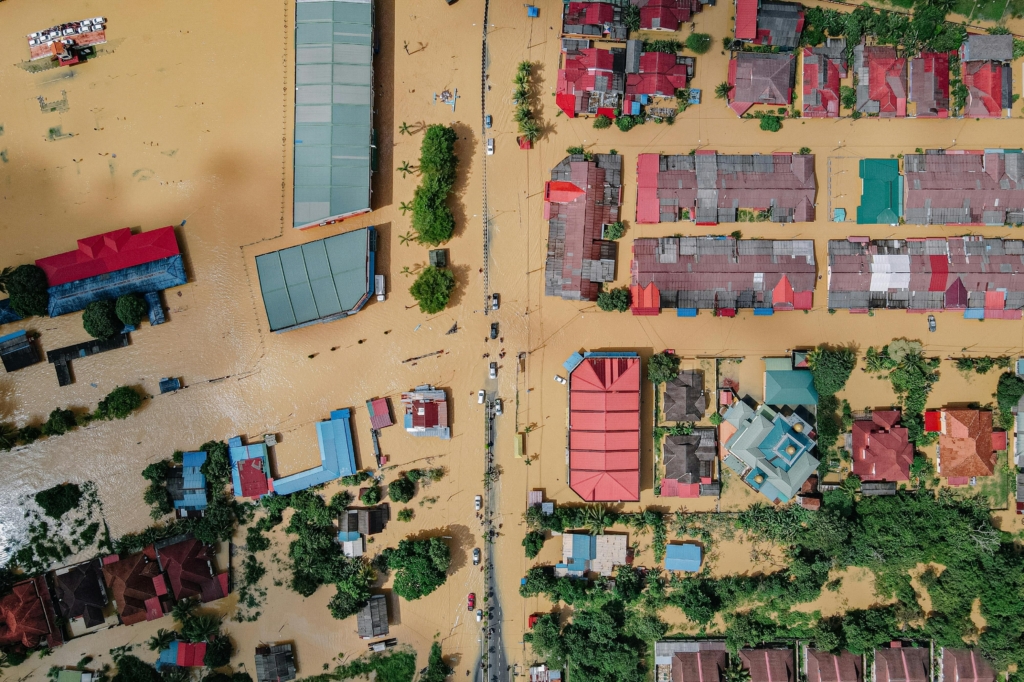
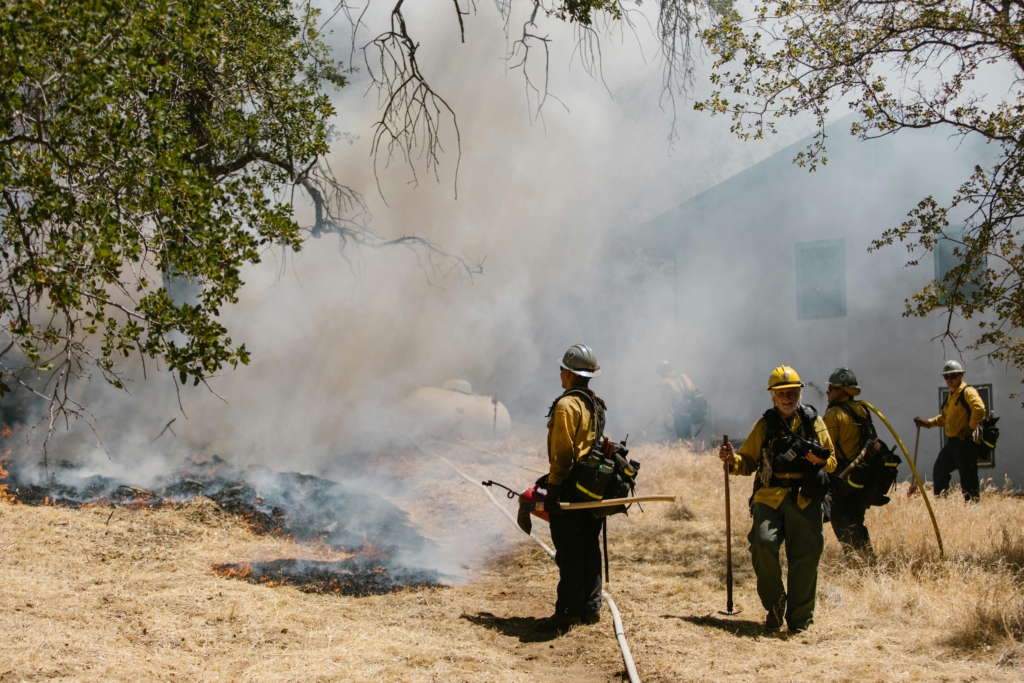
Disasters linked to climate change, such as floods, landslides, storms, and wildfires, are extreme weather events that are occurring with growing frequency and intensity.
We have witnessed over the last few years record-breaking heat or floods on Earth, underscoring the escalating impacts of climate change on global weather patterns and ecosystems. The record-breaking temperatures have intensified the risks of floods, droughts, wildfires, and tropical cyclones, placing millions of people at heightened risk of climate-related disasters.

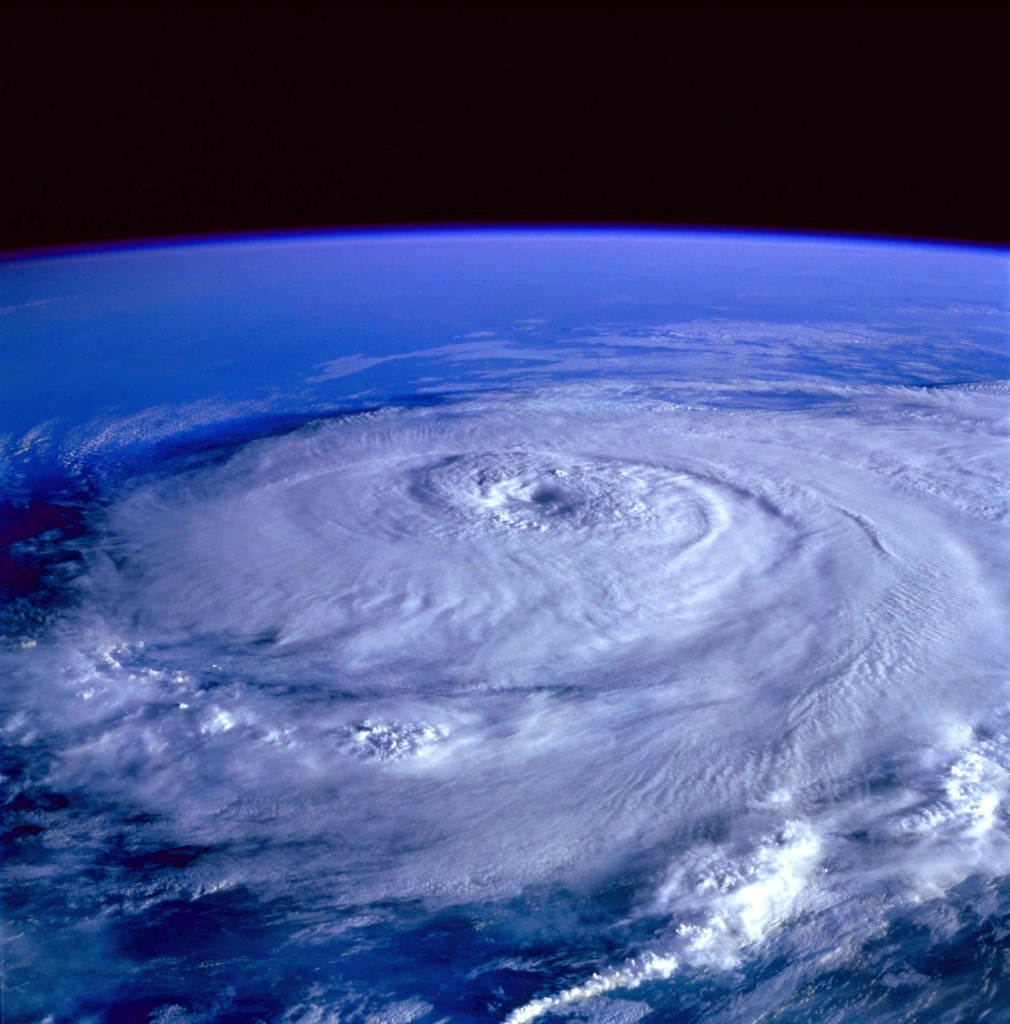
These extreme conditions are no longer isolated events but growing threats to the stability of food supplies, health systems, trade, and economies worldwide.
Cutting emissions and tackling climate change remain crucial, but experts stress it is equally an ethical responsibility to step up efforts to improve how risks are communicated, understood, and acted upon. Timely, clear, and trustworthy communication can significantly reduce impacts by helping authorities, organisations, and communities make informed decisions before and during extreme events.
Global cooperation is needed not only in addressing the climate crisis and safeguarding the future of societies and ecosystems everywhere, but also in terms of risk communication, early warning, and public preparedness. To safeguard communities, early warning systems have been established, where possible, to anticipate disasters and assess potential risks and crises. These systems are designed to support timely response and effective warnings.
International collaboration and knowledge-sharing at the European level are vital to strengthening disaster management and warning systems, boosting community resilience, and ultimately saving more lives.
Prevention mechanisms
The EU, through the European Disaster Risk Management, has developed policies with clear goals to strengthen cooperation in disaster prevention, preparedness, and response across EU member states. The Mechanism ensures that any nation struck by a disaster, whether in Europe or beyond, can swiftly request and receive emergency assistance, reinforcing solidarity and saving lives. The European Commission, through the DG ECHO, had also set up a set of guidance called Disaster Preparedness to respond in the timeliest and most effective way to minimise loss of life, livelihoods and assets. In so doing, preparedness for response and early action can help reduce humanitarian needs caused by a crisis.
A Warning research network – introducing AlertHub COST Action
The COST Action AlertHub, which conceives itself as a Warning Communication Knowledge Network, brings a new perspective to this challenge by focusing on how to improve disaster warnings. To do so, it assumes a holistic perspective, including social, psychological, cultural, legal, technological and other dimensions of the warning communication process. Since its launch in September 2024, this collaborative research network has gathered 177 members from 45 countries. It also partnered with the Union Civil Protection Knowledge Network with the aim to share best practices, exchange expertise, and promote cross-sectoral collaboration in disaster management as well as risk and crisis communication. The collaboration will ensure that scientific evidence and crucial knowledge related to disaster warnings reach those who need them most — the practitioners and institutions working every day to protect people and communities from disasters.
AlertHub adds a risk and crisis communication lens to the field of disaster and emergency management, to advance knowledge, promote cooperation, contribute to reducing risks and harm posed to the public by climate change-related disasters. In doing so, the Action seeks to enhance the overall effectiveness of disaster response efforts and promote cross-border cooperation among scholars and practitioners in this key field.
The Action Chair, Florian Meissner, from the Darmstadt University of Applied Sciences, in Germany, emphasised: “Strengthening warning systems is one of the most effective ways we can protect lives in a world increasingly shaped by climate change and extreme weather events. With AlertHub, we are building an international research network dedicated to understanding how warnings are communicated and how they can be improved. By bringing together scholars and practitioners from currently 45 countries, we aim to advance knowledge, share best practices, and support more effective disaster preparedness and response across Europe and beyond.”
“Addressing climate change remains essential, but we must also prepare for impacts that can no longer be avoided. Extreme weather events have become increasingly devastating, and to face them, effective warning communication is crucial to protecting communities and saving lives. AlertHub aims to bring together expertise across countries and disciplines to build a strong knowledge network on warning communication,” says the Vice-Action Chair Corina Buzoianu from the National University of Political Studies and Public Administration, in Romania.
A key objective is to develop an open-access knowledge platform focused on warning systems, relevant legal and political frameworks, and challenges in effective warning communication. The network will furthermore identify best practices and governance recommendations for effective warning communication. Additionally, it will create new formats for knowledge exchange and networking among key stakeholders in Europe.

Through its open-access knowledge platform, the Action will contribute to linking science research results with insights from the field of practice, including civil protection agencies, local disaster managers, media, and others.
Additional information
View the Action website
View the network website: https://alerthub.eu/
Follow AlertHub on social media: LinkedIn, Facebook and Instagram