Academic papers for younger audiences
CLEANFOREST is a multidisciplinary network of European scientists and forest experts that is developing a comprehensive understanding of the effects of key global change drivers on forest ecosystems. European forests play a crucial role in climate change mitigation and biodiversity conservation. Ensuring their health and resilience requires timely detection of changes in forest status and functioning. However, accurate predictions of their future ecological, economic, and social contributions depend on a well-coordinated approach that brings together ground-based forest inventory and monitoring networks, community science, and multiple key stakeholders.
One of CLEANFOREST’s target stakeholder groups is young people – a group deeply affected by today’s conservation efforts and green guardians of the future. But how do you really go about explaining complex science in a way that younger people can understand the problems and grasp the role they could play in addressing the issues?
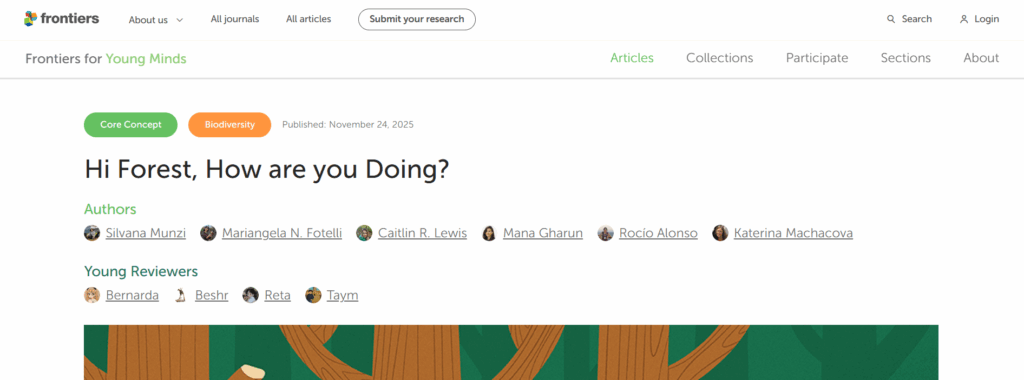
CLEANFOREST have risen to the challenge by authoring a paper accepted to Frontiers for Young Minds, an Open Access journal dedicated to young science enthusiasts. We catch up with two of the authors Silvana Munzi and Rocío Alonso to learn more:
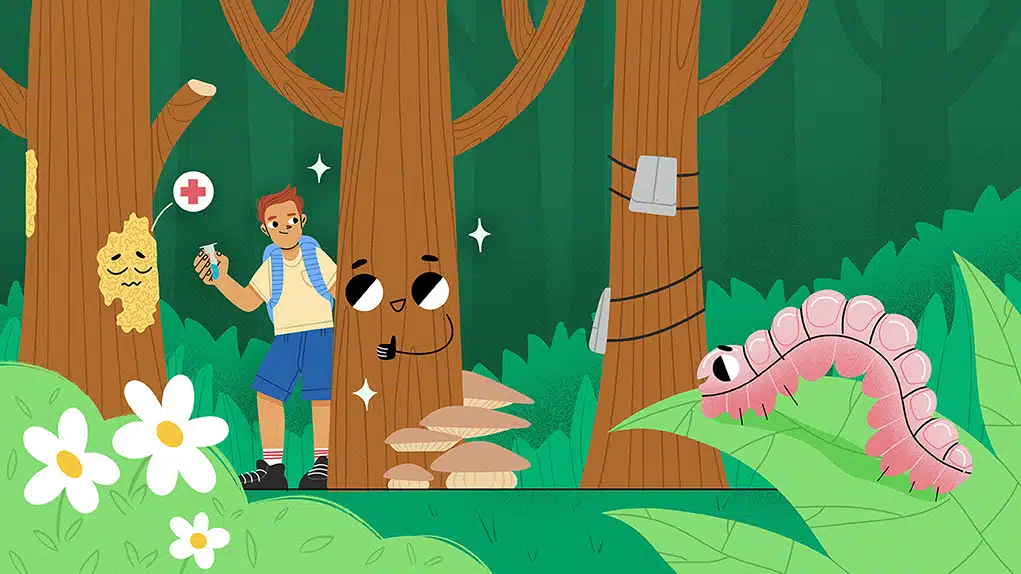
Frontiers for Young Minds is an open-access scientific journal that brings the latest research in real time to school kids between 8-15 years old. The mission is to inspire the next generation with high-quality, accessible science, but Frontiers for Young Minds goes further: to engage and develop the scientists of the future, young people aged 8–15 act as peer‑reviewers, ensuring that published work is accessible and fun to read for their peers.
How does it work? Distinguished scientists are invited to write about their discoveries in a language that is accessible to young readers, and it is then up to the kids themselves – with the help of a science mentor – to provide feedback and explain to the authors how to best improve the articles before publication.
Have you written for young audiences before?
Although several of us are involved in activities with children and schools, this was our first time writing an article specifically for such young readers.
Where did the idea for the paper come from?
Rossella, the CLEANFOREST Action Chair, promoted the idea of writing something for children from the very beginning of the Action. Silvana, who is also the Science Communication Coordinator for CLEANFOREST, already knew Frontiers for Young Minds and had considered publishing there before, so she proposed it to the group. The original idea was to prepare a collection – a special issue of 10–12 papers – but this was not feasible due to journal constraints.
Did you approach the writing process differently, considering the audience of this research paper is not the typical one?
Yes. First, we focused on selecting just a few key messages. Instead of prioritising what we considered most relevant, we chose what might be interesting and accessible for children, and only a very small fraction of what we would have liked to include!
Second, we went through several rounds of internal review to achieve a plain, simple language suitable for young readers. Even then, when we received the official review from the journal (done by four young people Bernarda, Beshr, Reta, and Taym), they pointed out a few words or concepts that were unclear, and we adapted the text accordingly.
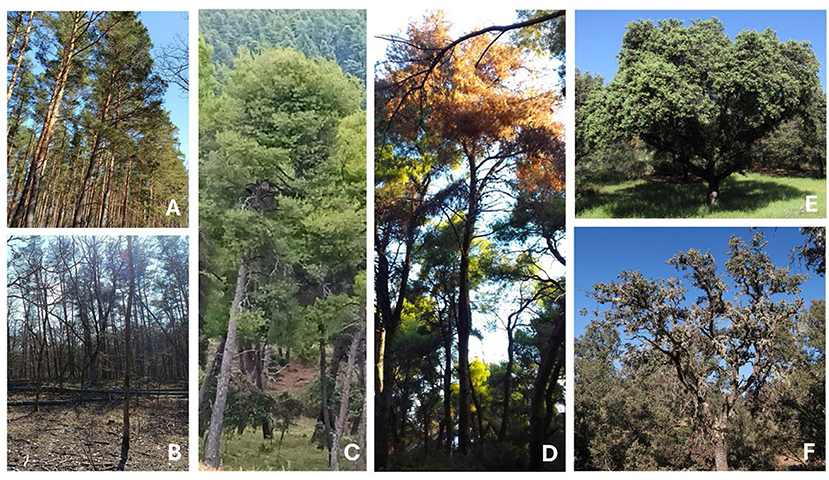
The same applied to the images: no graphs, no data, but only a few photos that could easily illustrate the concepts discussed.
What’s it like to be review by young people and how did it compare to the traditional peer review process?
It was wonderful! The reviewers shared their enthusiasm for science, telling us what they liked most and what they wished we had explained better – which, of course, we added.
When children review your paper, there is no bias or personal agenda, and no preconceived opinions about your research topic. They are completely honest and simply want to understand what you are trying to explain.
What is the main takeaway you want young people to have after reading the article?
That if forests get sick, we are all in trouble. This is why scientists need to keep an eye on forest health and identify what is causing the problems. And, importantly, that they too can take part in this effort.
How can public engagement and science communication projects like this improve knowledge of your field?
Monitoring forests is time- and resource-consuming because many parameters need to be tracked over long periods and ideally across large regions. Citizen scientists are an invaluable resource—they make data collection possible in places and at scales that professionals alone cannot cover.
Of course, citizen science cannot replace the work of trained experts, so protocols must be simplified and limited to a smaller number of parameters. Nevertheless, it remains a highly valuable contribution, as many scientific publications have already shown.
There are numerous citizen-science initiatives focused on different aspects of forest health. With more and more people engaging in outdoor activities, their observations on phenology, pests, tree damage, and biodiversity can offer a significant contribution to forest monitoring.
Further information
Click here to read the article ‘Hello Forest, How are you Doing?’ or download the PDF here.
Other science communication best practice examples: