World Cancer Day, marked on 4 February, is an international day dedicated to raising awareness of cancer, and to encouraging its prevention, detection and treatment. To recognise the efforts of researchers in this area, we are publishing a success story about the COST Action, which examined immune cells as mediators of diseases associated with chronic inflammation and cancer.
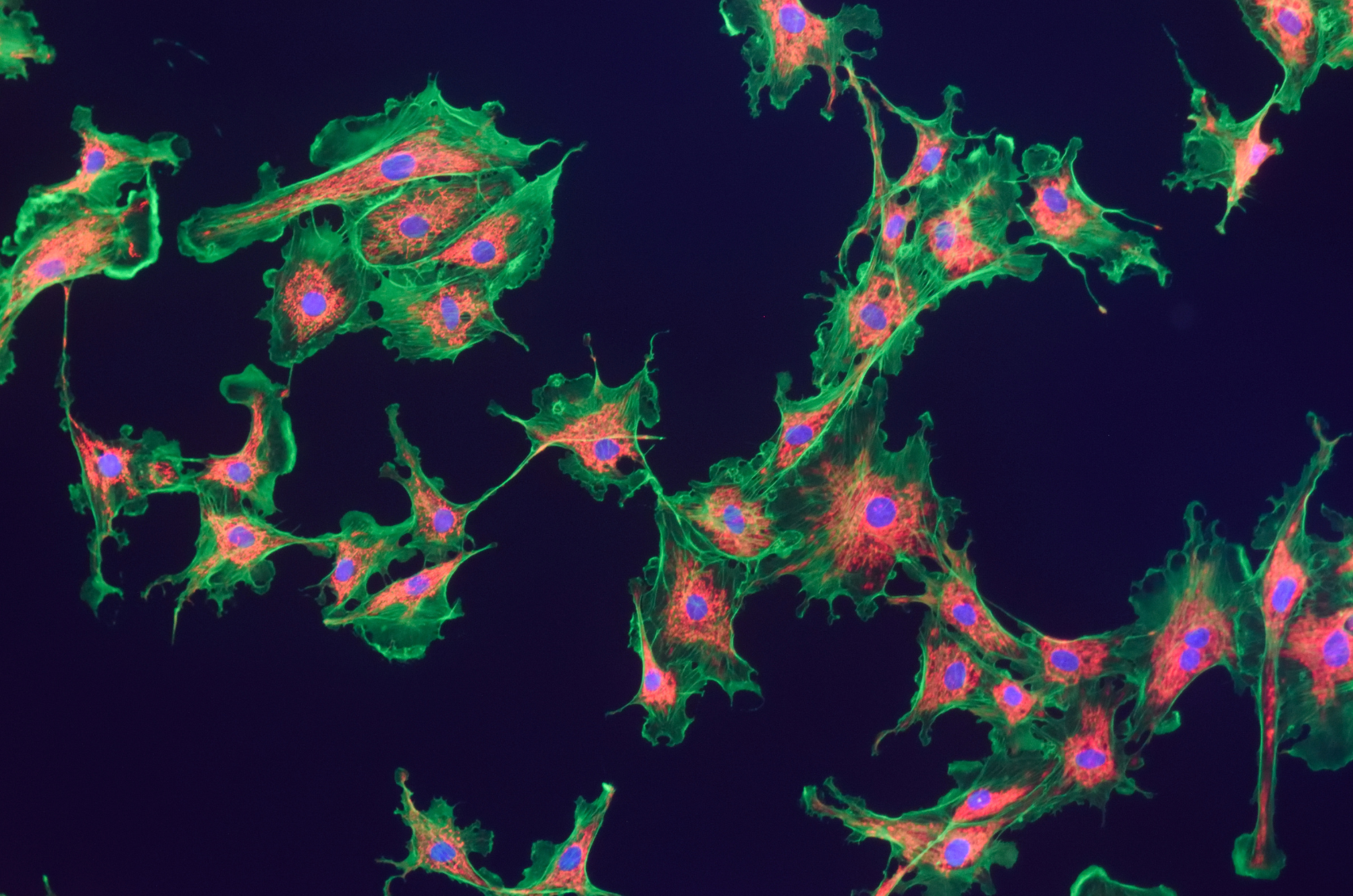
Most people only think about their immune system when they fall ill. Few realise that survival in the first days of an infection depends on a fast and largely invisible response driven by myeloid cells, which act as the immune system’s first responders. However, their role in chronic inflammation and cancer is still not widely understood.
The COST Action ‘Converting molecular profiles of myeloid cells into biomarkers for inflammation and cancer’ (Mye-InfoBank) brought together a diverse European network to investigate this role by reusing and reanalysing existing molecular data. In the process, it produced scientific results, advanced the careers of many young researchers and established the Omnicellscope, the COST Innovators Grant project that will extend the impact of the Action.

“The COST project allows us to retrieve more specific information from data that already exists. This helps researchers better understand disease and ultimately improve treatment.”
The immune system’s first responders
As Prof. Sven Brandau, Chair of the Mye-InfoBank at the University Hospital Essen, explains, the immune system works in two phases. The first phase, known as innate immunity, reacts immediately and relies heavily on myeloid cells. The second phase, adaptive immunity, takes around seven to ten days to build a targeted defence.
“The reason why the common cold or any typical infection takes about a week to come, stay and go away is related to the second component of the immune system, which needs this time to detect and eliminate the pathogen,” says Sven. “However, without myeloid cells, which are a major element of the innate part of our immune system, we would not be able to survive this week of infection and would die very quickly.” These cells capture and destroy pathogens during the initial phase of an infection. While their role in acute infections is well understood, much remains to be learnt about how they function in chronic inflammatory diseases and cancer. This was the starting point for Mye-InfoBank.
Giving existing data a new purpose
Before the COST Action began, biomedical research had already produced an unprecedented amount of molecular data, ranging from DNA to proteins. This data was generated using expensive and sophisticated technologies. Much of this information was stored in public repositories once it had served its original purpose. Mye-InfoBank decided to make better use of these resources.“Repurposing means retrieving existing data and using it for new scientific questions,” explains Sven Brandau. He compares the process to using the internet or Wikipedia. “Information is uploaded for one reason, but there are many different ways to search for it, combine and interpret it. The same applies to molecular data.” By reanalysing and curating existing datasets, the Action extracted myeloid cell–specific information and turned it into meaningful biological signals, or biomarkers, for diseases linked to chronic inflammation. These biomarkers could help doctors to make diagnoses or decisions about treatment in future.
From data to decisions
The concept of biomarkers lies at the core of the Action’s impact. “In our case, a biomarker could indicate to a doctor which patients would benefit or not benefit from a certain therapy,” says Sven. This approach, known as patient stratification, allows doctors to move away from one-size-fits-all treatments. Thanks to the knowledge generated by Mye-InfoBank, researchers can develop diagnostic tests that detect specific myeloid cell types or the molecules they produce. Such tools could guide clinical decisions, improve treatment outcomes and avoid unnecessary therapies. For patients, this means more precise care; for healthcare systems, it means more efficient use of resources.
Speaking the same scientific language
Achieving these goals required expertise from very different fields. Immunologists, clinicians, bioinformaticians and biobank coordinators all brought essential pieces of the puzzle. “Science has become so specialised that it is almost impossible for an individual to be an expert in all of those diverse fields,” the Chair notes. “Even basic communication across disciplines can be challenging, as each field uses its own terminology and methods.”
Through COST networking, Mye-InfoBank successfully found a common language. “We combined networking with real experimental and analytical work,” says Professor Brandau. “We successfully assembled all the necessary expertise to achieve our two primary objectives: producing high-quality scientific data and promoting interdisciplinary cross-fertilisation and education. As a result, we are in the process of generating high-quality atlases, which will be made publicly available in summer 2026.”
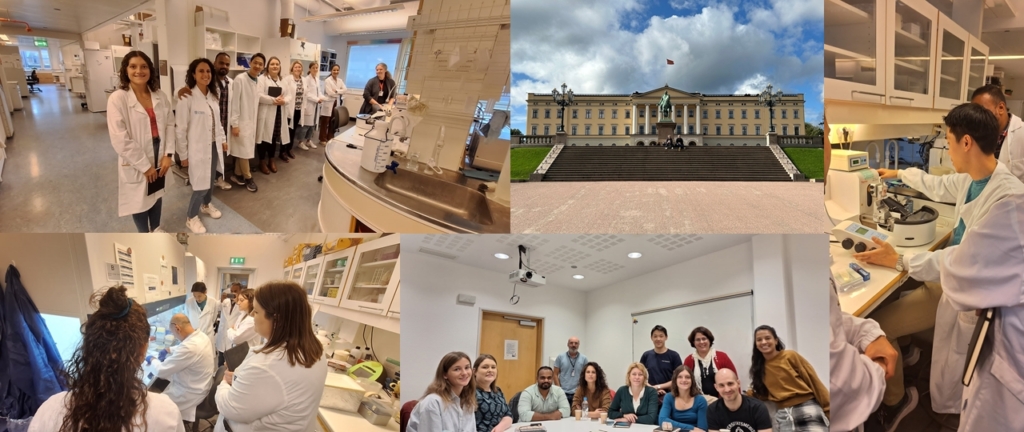
For Sven, the most powerful image of the COST Action remains that of the final meeting in his hometown of Hamburg. “I was reviewing the seminar room. I saw almost fifty people, and I could associate a valuable and voluntary contribution with each of them. I thought, ‘This is truly fantastic and illustrates the high motivation of both younger and more experienced scientists, who did the work because they were genuinely interested in working together,’” he recalls. “I hope that this spirit will encourage younger researchers to build similar networks in the future.”
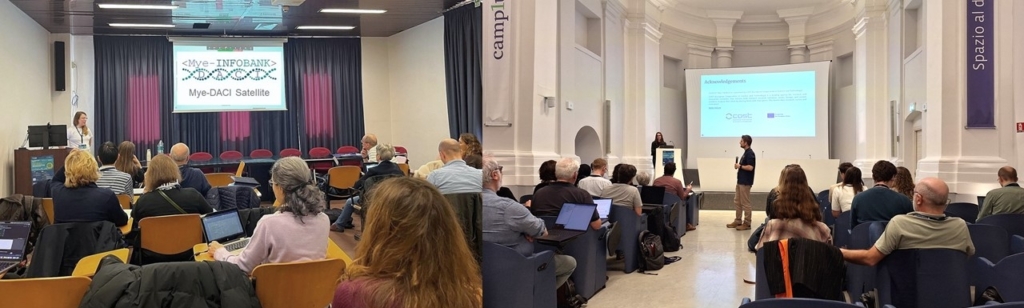
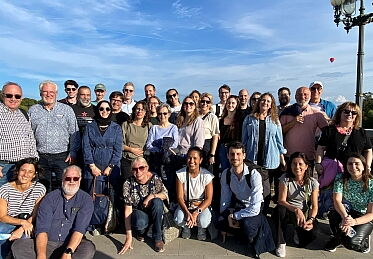
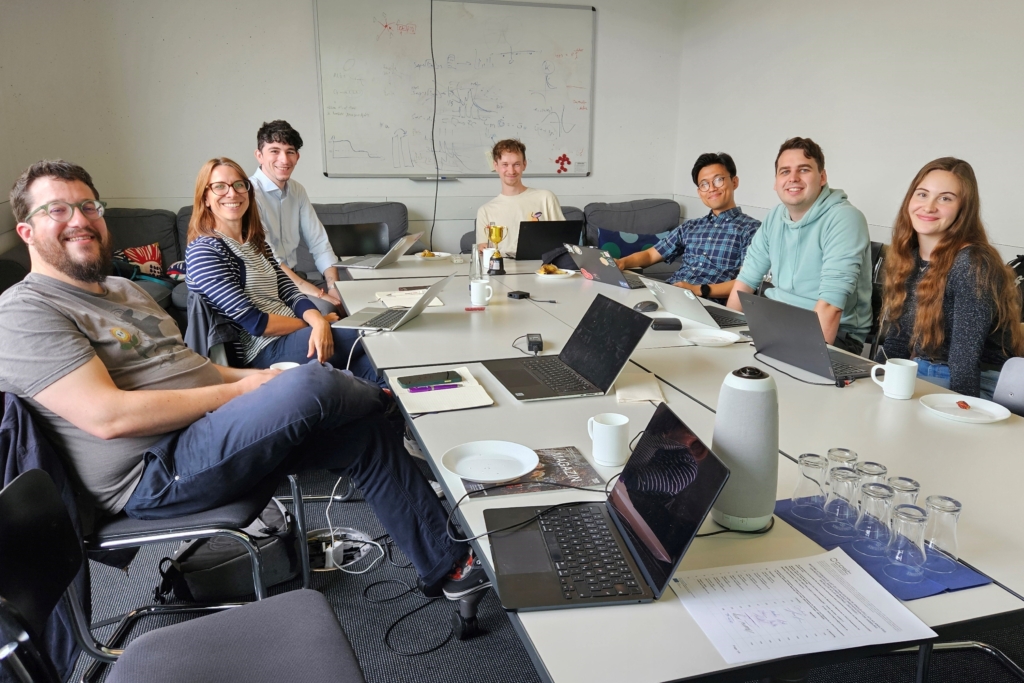
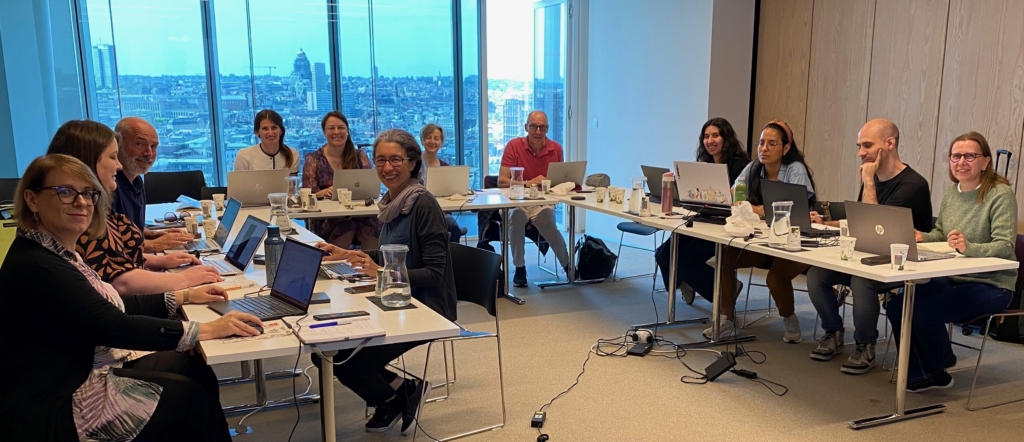
Photos © Mye-InfoBank 2025
A network that shaped careers
For many participants, Mye-InfoBank was as much about personal growth as scientific progress. Nico Trummer, a young Action member of the Technical University of Munich, joined the Action during his bachelor’s studies and contributed to developing a standardised pipeline for single-cell transcriptomics data that is now used by researchers worldwide.
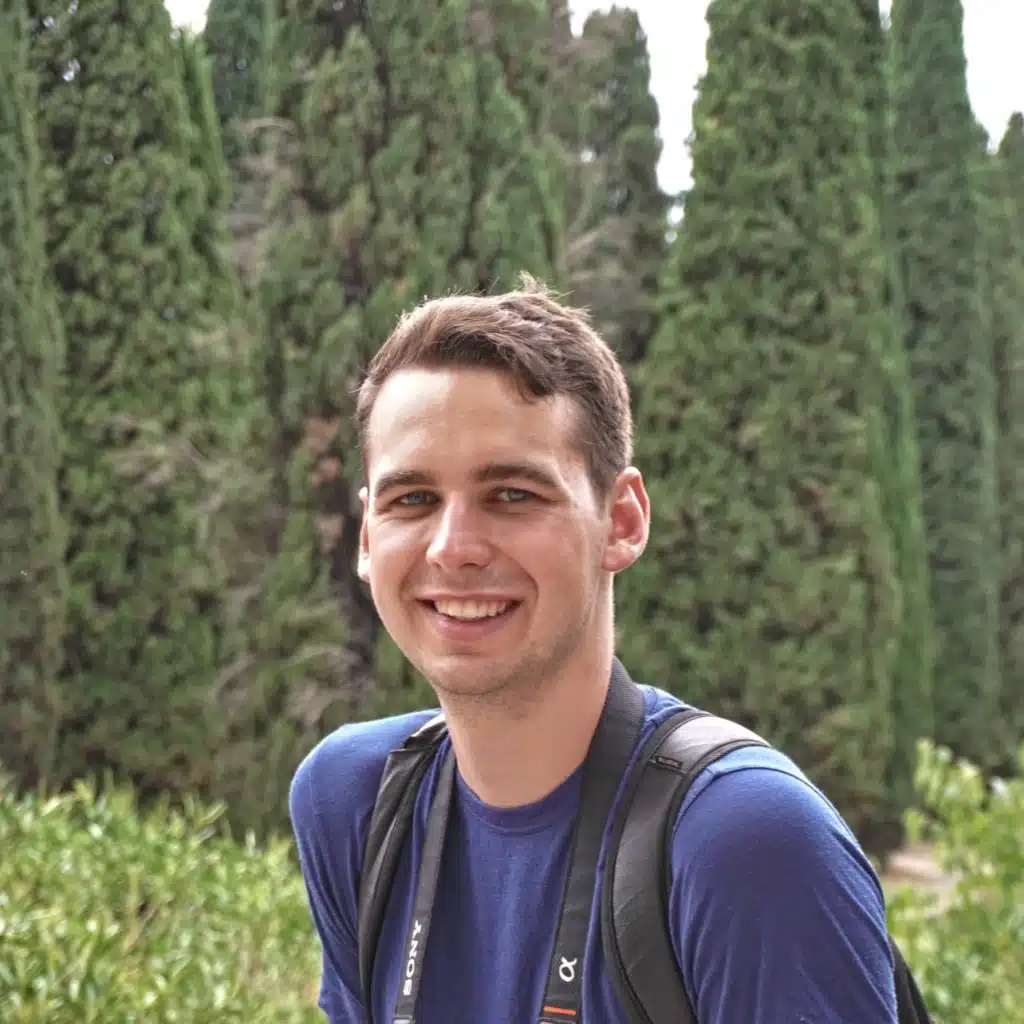
“At first I felt a bit overwhelmed by all the experienced researchers around me,” he recalls. “But people grow with responsibility, and the Action really gave me that opportunity to grow.” Through collaborations across Europe, he gained confidence early in his career. “The Action gave me the confidence and skills to tackle complex computational problems early on, shaping my approach to bioinformatics and systems biology,” he adds.
For Daniel Naumovas of Vilnius University, the benefits of participating in the Action extended beyond research. He highlights how taking part in Mye-InfoBank improved his public speaking skills and introduced him to best practice in biobanking.

“Meeting like-minded scientists motivates you to move forward,” he says. At the time, he was the first in his hospital to join a COST Action. “Now I see that many colleagues, even from other departments, have followed.” Today, as Vice-Minister of Health in Lithuania responsible for innovation and research, he still draws on that experience. “Scientific knowledge and public speech skills help a lot,” he notes.
Michelle Camacho, an Action member and researcher at Jagiellonian University, originally trained as a doctor in Venezuela before pursuing a career in science in Poland. Action offered her opportunities and stability. Through Short-Term Scientific Missions, she has visited laboratories across Europe, learned new experimental and analytical approaches, and refined her techniques under the guidance of experienced scientists.
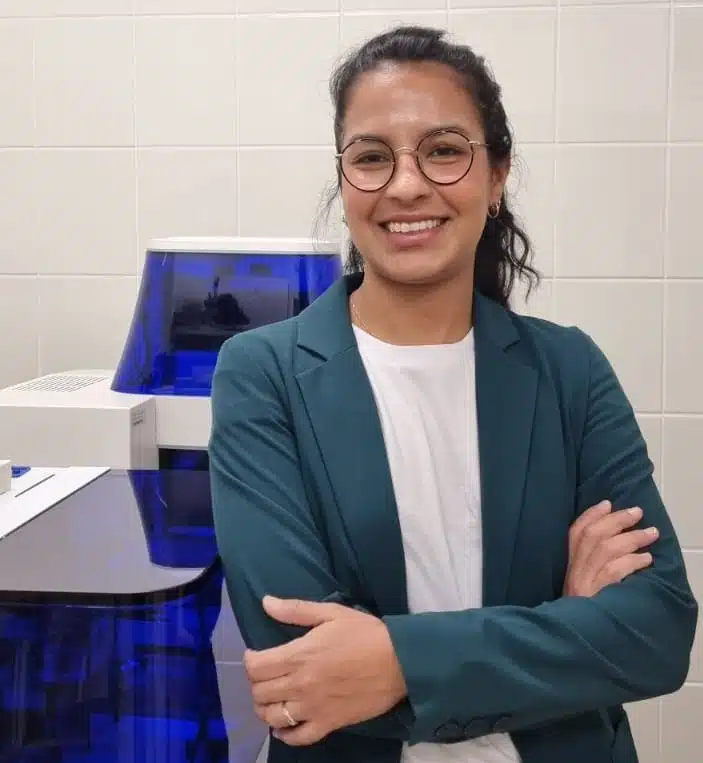
“Being part of this COST Action has been an invaluable experience for me,” she says. “It greatly contributed to my development as a young researcher.” Just as important were the personal connections. “I formed friendships and collaborations that continue beyond the project itself.”
Ebru Kocakaya from Ege University echoes this sentiment, stating that Mye-InfoBank was a key part of her PhD journey. “Joining this large international consortium soon became a supportive space to learn and grow,” she recalls. Through training schools and research activities, she gained hands-on experience in advanced analysis methods and single-cell data analysis, while also strengthening her communication skills.
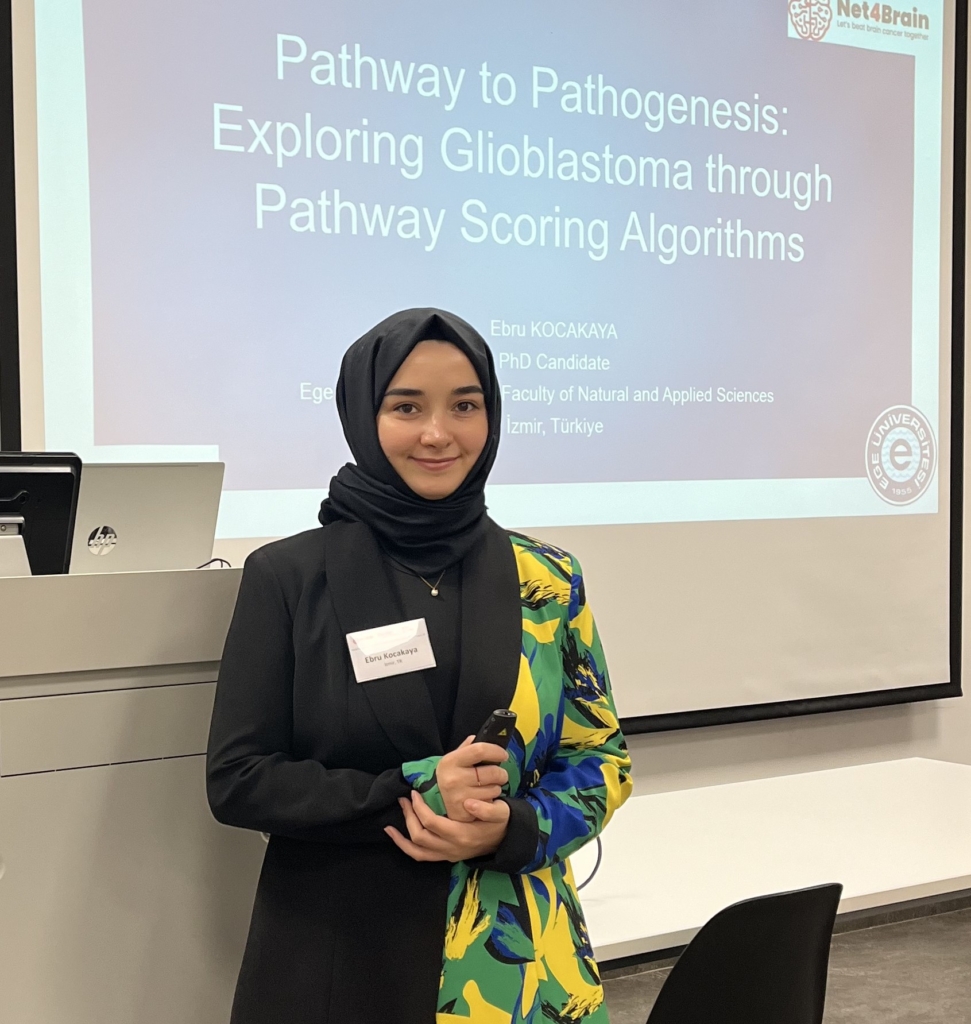
“What made this experience especially meaningful were the people,” she adds. “I met scientists who became friends, mentors, and collaborators.” One moment stands out in particular: “The last meeting in Hamburg felt like a genuine family reunion. It made me realise how rare and special this network is.”
This is the video of the poster session at the My-InfoBank Young Researchers Conference in Palermo:
What comes next: Omnicellscope
The momentum of Mye-InfoBank continues through a COST Innovators Grant supporting the project ‘Developing a flexible and broadly applicable platform for expert guided cell-type deconvolution in human immune-related diseases’ (Omnicellscope). This initiative aims to develop a flexible, user-friendly platform that combines bulk and single-cell RNA sequencing data to reveal the cellular composition of tissues in immune-related diseases. By focusing on publicly available datasets, Omnicellscope will help researchers, biotech companies and the pharmaceutical sector extract more value from existing data.
“Omnicellscope allows us to retrieve more specific information from data that already exists,” the Chair explains. “This helps researchers better understand disease and ultimately improve treatment.”
By bringing together people, data and ideas from across Europe, Mye-InfoBank showed how COST Actions can transform scientific resources into shared knowledge, paving the way for improved health outcomes.