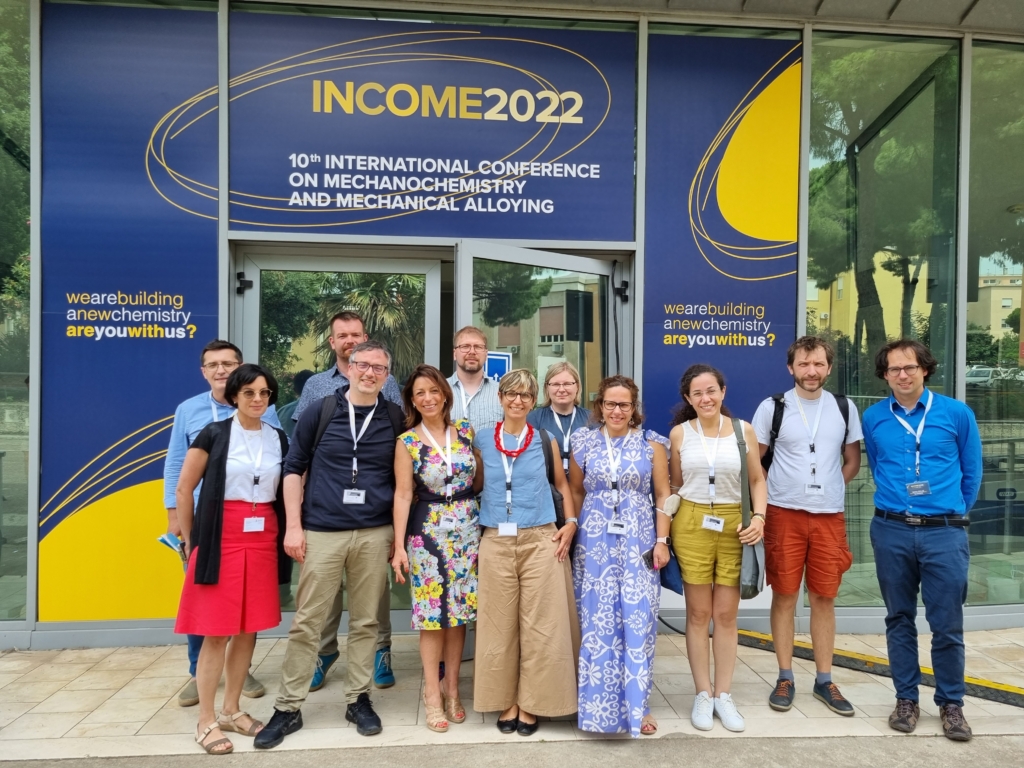
On World Environment Day, we highlight a COST success story that shows how shared knowledge and collaboration can support a more sustainable future. The COST Action MechSustInd brought together researchers and industry partners from across Europe to develop cleaner chemical processes that reduce waste and emissions while improving production efficiency.

The COST Action Mechanochemistry for Sustainable Industry (MechSustInd) is a powerful example of how collaboration can support Europe’s ambition for a low-emission, circular, and resource-efficient industry. By rethinking how chemicals are produced, the Action helped place mechanochemistry at the centre of Europe’s transition to greener manufacturing.
Mechanochemistry replaces heat and solvents with mechanical energy to trigger chemical reactions. This simple but revolutionary approach has the potential to reduce waste and emissions while improving safety and efficiency across multiple industrial sectors.
The Action generated significant scientific output, contributing to over 200 research outputs, including publications in leading journals and open-access platforms. It also produced an educational book on practical mechanochemistry and created a database of experimental facilities, expertise, and skills within the network to encourage collaboration.
Direct contact with industry partners was particularly successful. Several companies opened their facilities to COST members, offering access to specialised equipment and large quantities of chemicals for testing and training purposes. This cooperation has bridged the gap between academic research and industrial application, providing scientists with hands-on experience of real production processes.
While the Action produced technical results such as new mechanochemical reactors and analytical devices, Dr Evelina Colacino, the Action Chair from the University of Montpellier in France, believes that its most valuable outcome was a change in mindset.
“For me, the most tangible output is the awareness we’ve raised around using mechanochemistry as a disruptive technology to make organic chemistry more sustainable.”
When the Action began, many companies regarded mechanochemistry as “strange or irrelevant” for its implementation in organic synthesis. Through consistent communication, workshops, and collaboration, this perception has shifted dramatically.
“Now, companies are curious. They want to know what this technology can do. That change in attitude is a long-lasting impact.”

“Academia has done its job. Now it’s time for industry and policymakers to build on that foundation. COST paved the way.”
Dr Evelina Colacino, Chair of MechSustInd
From COST to a €7.7 million project
This growing confidence led directly to the Horizon Europe project IMPACTIVE, a €7.7 million initiative which aims to make pharmaceutical production greener.
For science communicator Dr Fernando Gomollón-Bel, who is now a full partner in IMPACTIVE, the COST Action opened a door to a vibrant and collaborative research community.
Fernando also highlighted the growing importance of mechanochemistry in the wider scientific community, citing the COST Action as a model of cooperation across Europe: “COST is a great catapult for creating strong networks of collaboration. It helped turn an idea into a real European innovation ecosystem.”

“COST created a community strong enough to continue its collaborations. That’s its real power.”
Dr Fernando Gomollón-Bel, partner in IMPACTIVE project, Action member
Young scientists, big ideas
Beyond its scientific achievements, MechSustInd was above all about people. COST inclusive networking approach gave young researchers the tools, confidence, and visibility to help lead Europe’s green transition.
Many early-career scientists, particularly those from less research-intensive countries, gained access to new collaborations, facilities, and training opportunities that would otherwise have been out of reach. Working Group leaders reflect on this human dimension.
Dr Ivan Halasz, of the Ruder Boskovic Institute in Croatia, said: “We built a collaborative community that enabled experts from diverse fields to share perspectives and shape new approaches in process engineering.” It was particularly rewarding to see young researchers gain the tools, networks, and confidence to pursue innovative directions.”

“It was particularly rewarding to see young researchers gain the tools, networks, and confidence to pursue innovative directions.”
Dr Ivan Halasz, MechSustInd Working Group Leader
Dr Bilge Baytekin of Bilkent University in Turkey adds: “Action gave me my identity as an organic chemist back, and of course, it planted new, captivating research questions in my mind.”
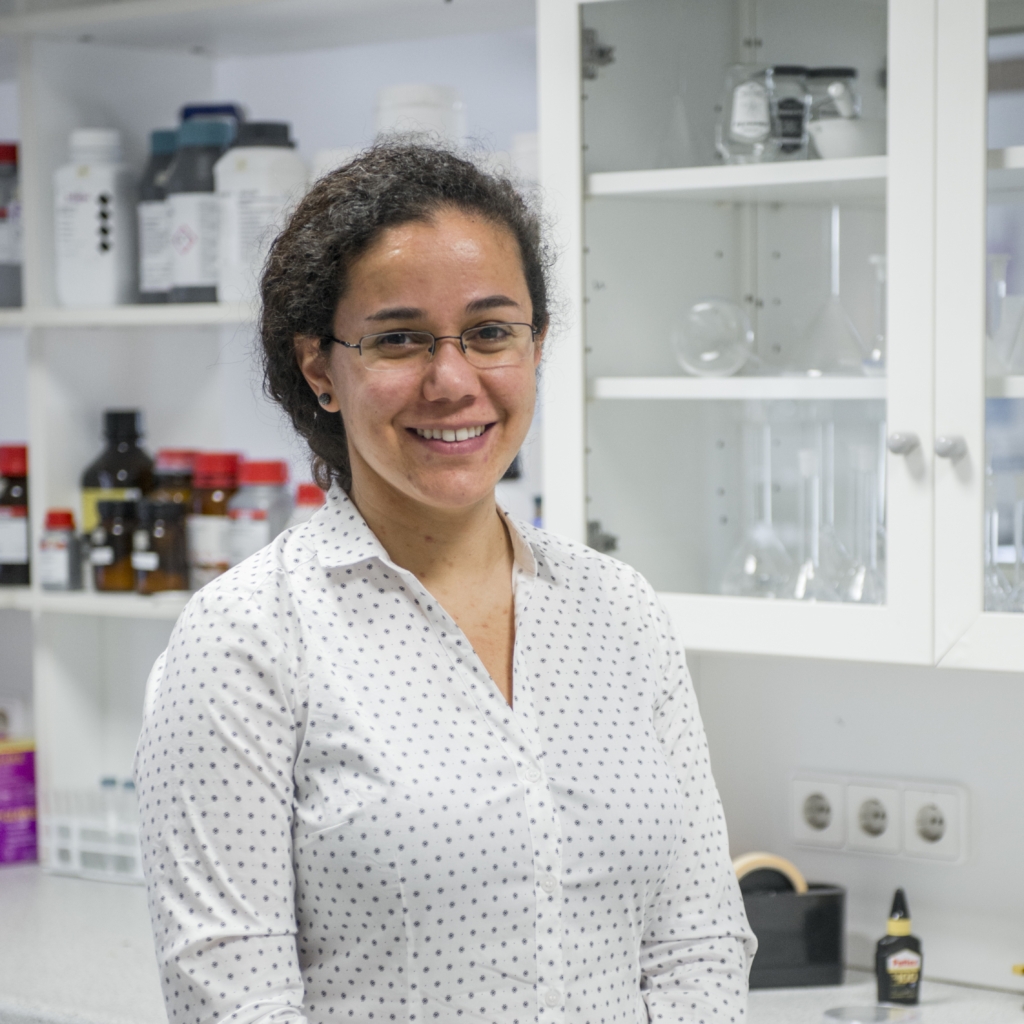
“I find working on green and sustainable chemistry very motivating. The chemistry of our project is for a good cause!”
Dr Bilge Baytekin, MechSustInd Working Group Leader
Evelina Colacino is particularly proud of the Action’s impact on young scientists:
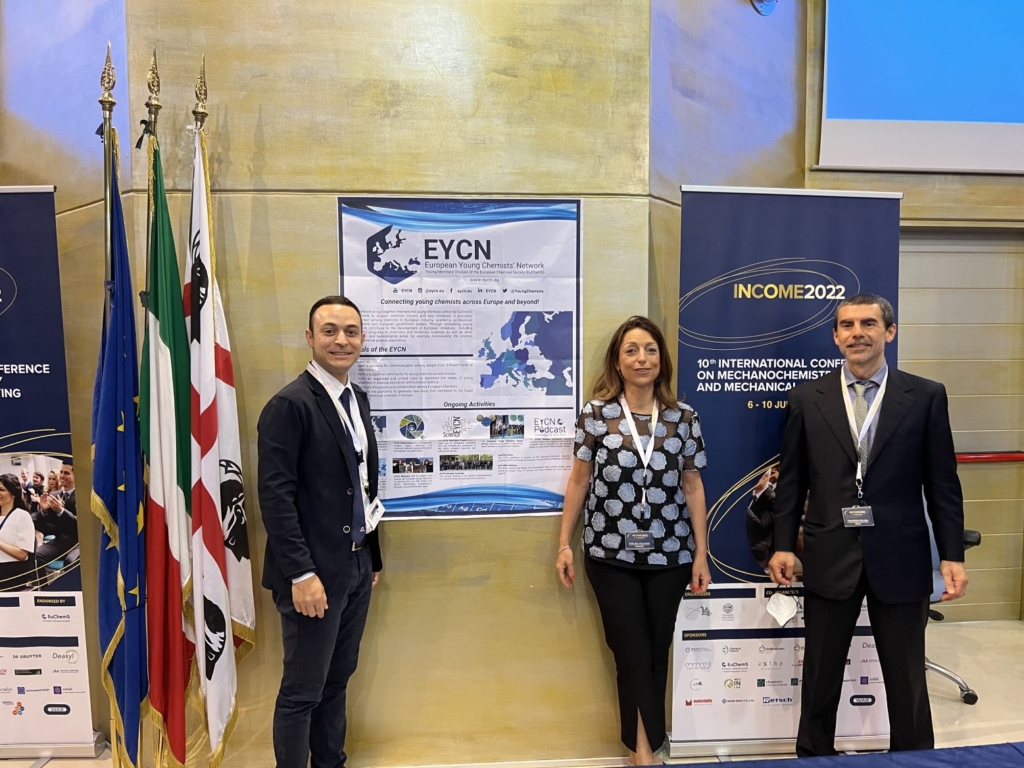
“The first international prize for a young scientist in mechanochemistry came from our collaboration with the European Young Chemists’ Network. We showed that young scientists can build careers in this field.”
This strong and inclusive community nurtured new talent and laid the foundation for establishing mechanochemistry as a recognised discipline within the global scientific landscape.
According to Evelina, “Training a new generation of scientists in mechanochemistry is an unprecedented achievement for the field. Thanks to the COST Action, more and more academic institutions around the world are now implementing the teaching of mechanochemistry in undergraduate and graduate curricula, and five Action training schools are now a ‘source of inspiration’.”
Building bridges for a lasting legacy
The Action helped create the first Working Party on Mechanochemistry within the European Chemical Society (EuChemS) and collaborated with the International Union of
Pure and Applied Chemistry (IUPAC) to develop international standards and terminology. These steps give mechanochemistry the structure and visibility needed for industrial adoption.
“COST allowed us to raise awareness about mechanochemistry and make the network sustainable,” says Evelina, “We now have an IUPAC task group setting definitions, EuChemS recognising mechanochemistry as a professional network, and an international association continuing our mission. That’s an extraordinary legacy.”
Today, mechanochemistry is no longer just a research topic. Thanks to the COST Action MechSustInd, it has become a recognised tool for achieving the European Green Deal and the European Mission to make industry climate-neutral and resource-efficient.
“Academia has done its job. Now it’s time for industry and policymakers to build on that foundation. COST paved the way.”