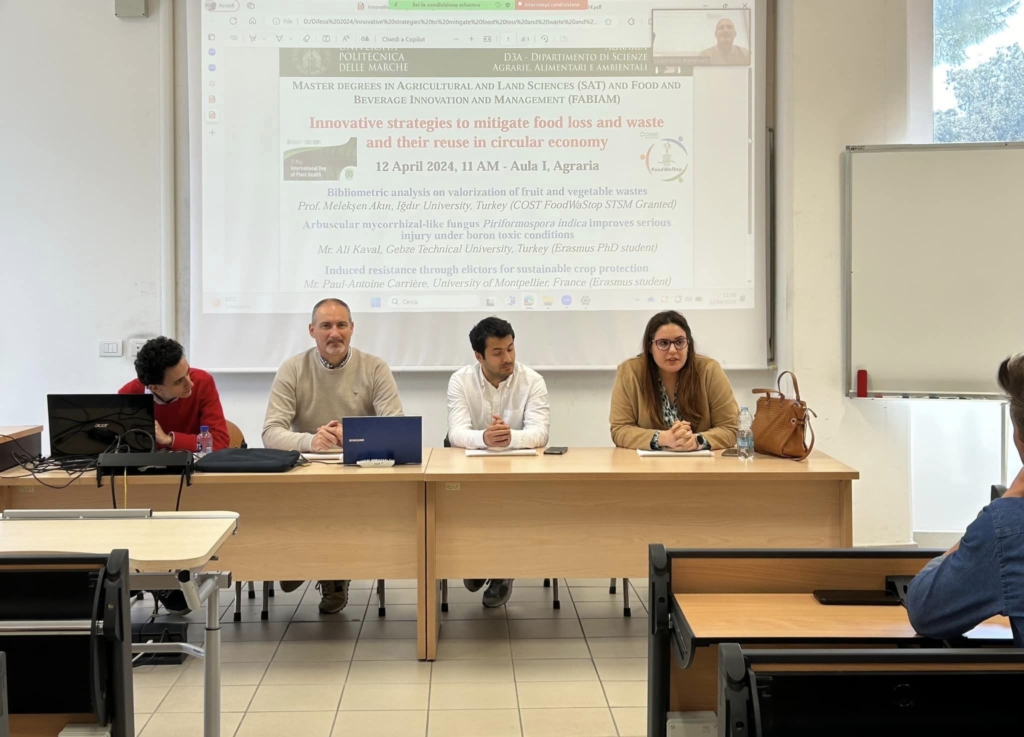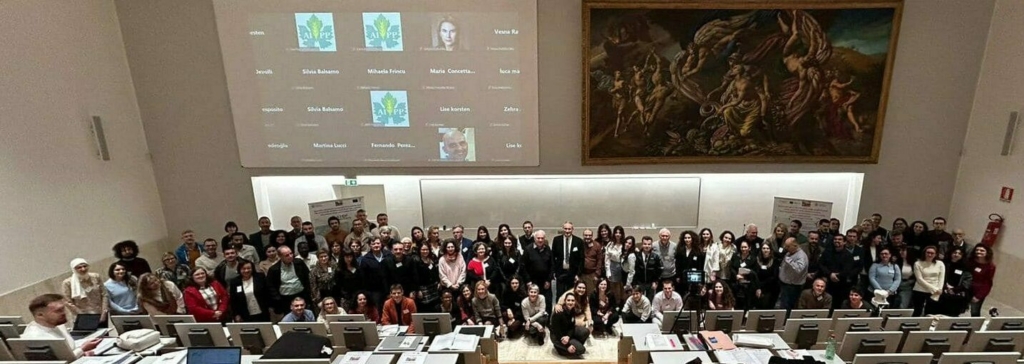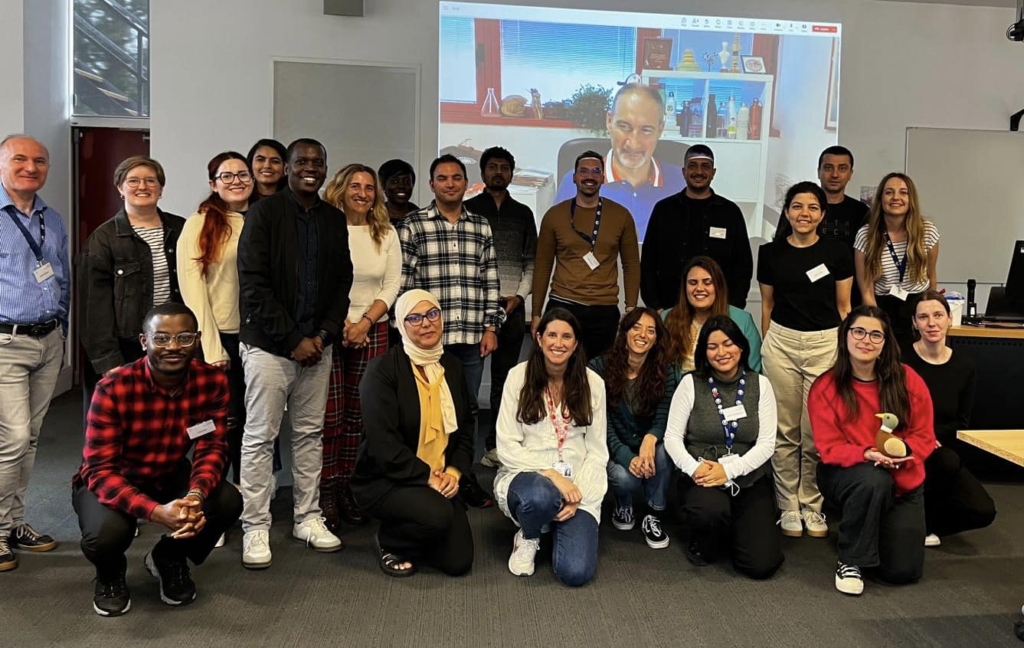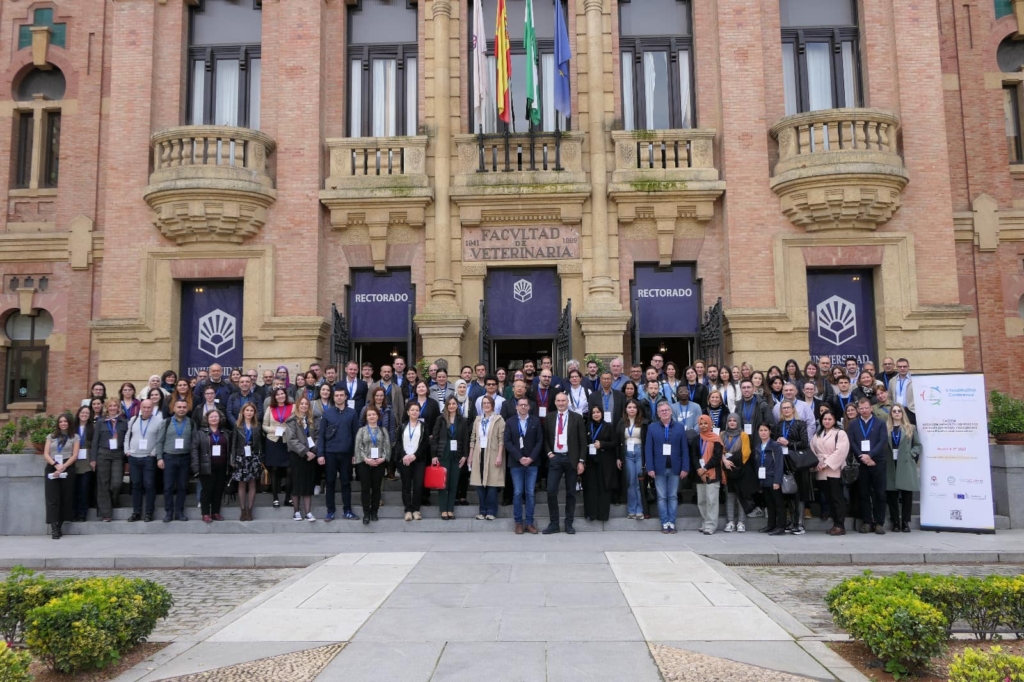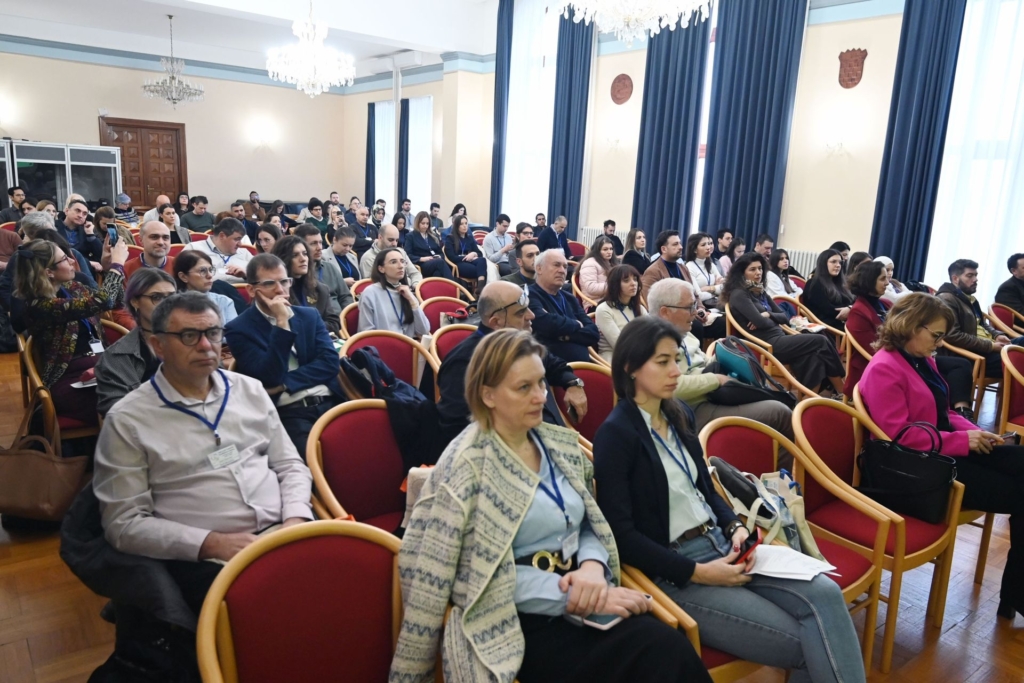
With more than 1,000 participants (1052 from 63 countries at the end of May 2026), COST Action Sustainable Network for agrofood loss and waste prevention, management, quantification and valorisation (FoodWaStop) may be the first COST Action to reach such a milestone. Covering the whole agrifood chain, from plant production and disease prevention to food loss reduction, circular economy solutions, and new monitoring tools, the Action naturally attracts a wide range of researchers and stakeholders.
Its strong interdisciplinary nature brings together agronomists, plant pathologists, chemists, engineers, food systems experts, and companies.
One of the strengths of COST Actions is their openness: researchers can join and contribute to the network, and establish new collaborations throughout its lifetime. But this openness can also lead to very large Actions, and the final number of participants is not something an Action chair fully controls.
When hundreds of researchers want to get involved, questions quickly arise about how to manage priorities within a limited budget. What is the ideal size for an Action? How can we ensure that funding opportunities remain fair and inclusive? And how can such a large and diverse community be kept motivated and active?
There is no single answer. Every Action is different, and there is no one-size-fits-all model for success. However, when a network grows to this size, strong organisation, clear priorities and inclusive leadership become essential.
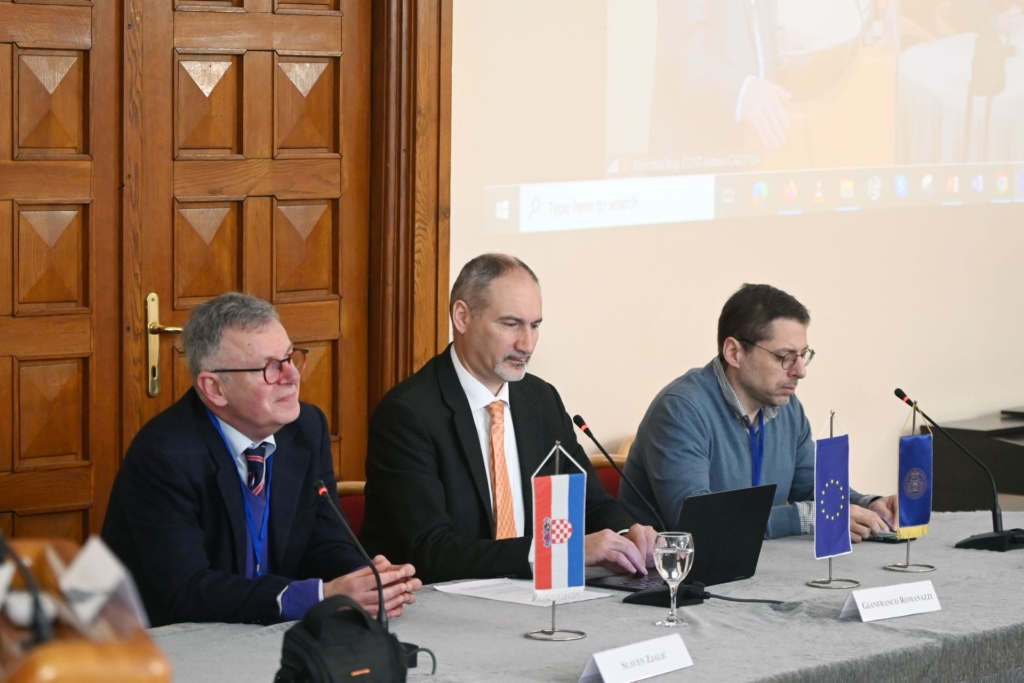
We spoke to Prof. Gianfranco Romanazzi, Chair of FoodWaStop at the Marche Polytechnic University, about his experience of leading one of the largest COST networks and the lessons he has learned that could benefit other Action Chairs.
Why do you think your Action is important for so many participants?
There was a strong interest in the subject because it is very broad. It covers everything from field management to postharvest processes and the reduction of losses and waste. The Action involves many different fields. Agronomists, pathologists, entomologists, chemists, economists, engineers, and people working with food systems and waste management are all involved. It is a very interdisciplinary Action, and we are happy with its progress.
What are the main achievements of the Action so far?
FoodWaStop has created an inclusive network in which the working groups (WGs) are responsible for providing an overview of the state of the art of food loss and waste in different countries.
We conducted a survey on household food waste, receiving over 1,000 responses. A list of reviews related to planned deliverables has been published, with more to follow.
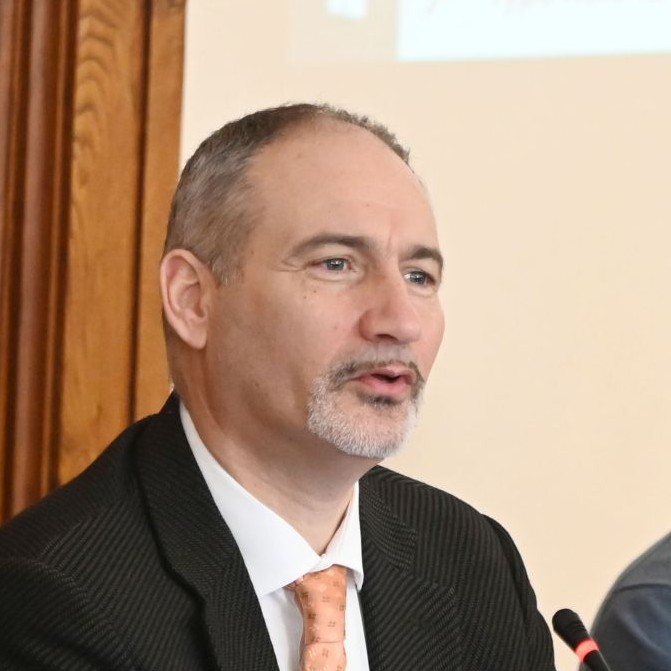
“Our priorities follow those of COST: supporting young researchers, achieving gender balance, and encouraging participation from Inclusiveness Target Countries.”
Prof. Gianfranco Romanazzi, Chair of FoodWaStop
Did you have previous experience with COST?
Yes, I had previous COST experience, but our Action basically originated the STOPMEDWASTE project network. It was funded by the PRIMA programme, an EU initiative funding projects contributing to sustainable use of natural resources, economic growth and stability in the Mediterranean region. At the end, the coordinators of PRIMA decided to create a COST Action. They asked who wanted to take responsibility, but nobody volunteered, so I said, ‘I’ll have a go.’
And here we are.
Did you need to adapt the structure of the Action as it grew?
Yes, we added co-leaders for activities where more support was needed.
At the beginning, as an Action Chair, you know relatively few people. Later, you realise that some people are more active and can take on more responsibility.
But to be a Working Group (WG) leader or co-leader, you need to be a good scientist and a good manager, with the willingness to contribute and help achieve goals together with others.
We structured the Action into WG with leaders and co-leaders, who split participants into subgroups according to their background and scientific interest.
Who are the key people driving the Action?
The key people are the members of the Core Group, the Secretary, and the Grant Holder Manager.
Our Action Grant Holder Manager is absolutely essential. She is very firm; she ensures the correctness of the documents, and she follows everything closely. The work is demanding, and she is a very important person for the Action.
How do you handle passive or inactive participants?
This is a real issue. We estimate that around 70–80% of Management Committee members are very active. We try to create new initiatives for the remaining 20% and encourage their involvement through specific activities.
For example, we requested data on food losses from MC members for each country for a joint publication, now in progress. This was open to just MC members. However, not everyone contributed, meaning a few MC members didn’t prioritise this contribution.
How do you keep members motivated?
We maintain continuous activity by publishing open calls, sharing news, posting content on social media, and sending out newsletters. We also work through deliverables and invite people to participate in each one.
There is a lot of enthusiasm, particularly among young people, who tend to be less overwhelmed and more willing to contribute.
As a result, we are achieving the goals of the Action and even surpassing them.
How do you decide what to prioritise with limited COST funding?
I jokingly tell Marco Carulli, our Action COST Science Officer, that our Action is underfunded. There are so many people, and even though our budget is relatively high, it is never enough.
Our priorities follow those of COST: supporting young researchers, achieving gender balance, and encouraging participation from Inclusiveness Target Countries.
We also try to ensure that all countries are represented at meetings so that at least one person from each one can participate and build networking opportunities.
Are hybrid events part of the solution?
Yes, absolutely.
People can follow the sessions from home, and we also record them and make them available on the YouTube channel. Many of these recordings are made available to watch later.
We also publicise on social media and promote at scientific meetings to raise awareness of this Action and of COST.
Watch the summary video of the 2nd FoodWaStop meeting:
What advice would you give to other Action Chairs managing very large networks?
My advice would be to be inclusive. If someone is interested in the Action, the chair should create opportunities so that everyone can feel it is their own Action.
People should be able to get involved by contributing to reviews, publications, meetings, training schools, or short-term scientific missions, for example.
I believe inclusiveness is one of the most important principles promoted by COST.
Could you share a memorable or funny moment from the Action?
A funny moment occurred during a meeting in Brussels when the evacuation alarm went off.
We had only just started the meeting when we suddenly had to evacuate and walk down the stairs together. This occasionally happens to people who come here, and this time it turned into a funny moment. Although not related to our Action, it provided a nice networking opportunity with others. It was actually quite memorable.
What has been most rewarding about leading such a large network?
COST provides an excellent platform for promoting interaction and investing in the development of a new generation of scientists. It is a pleasure to see young researchers coming back from new labs with new knowledge and positive interactions, having learned new tools and shared their own expertise.
I am proud to lead such an active consortium where new members join every day, from both EU countries and many other regions. They express their appreciation for the support they have received in developing their careers.