©Paulina Matusiak & Eddy Wenti
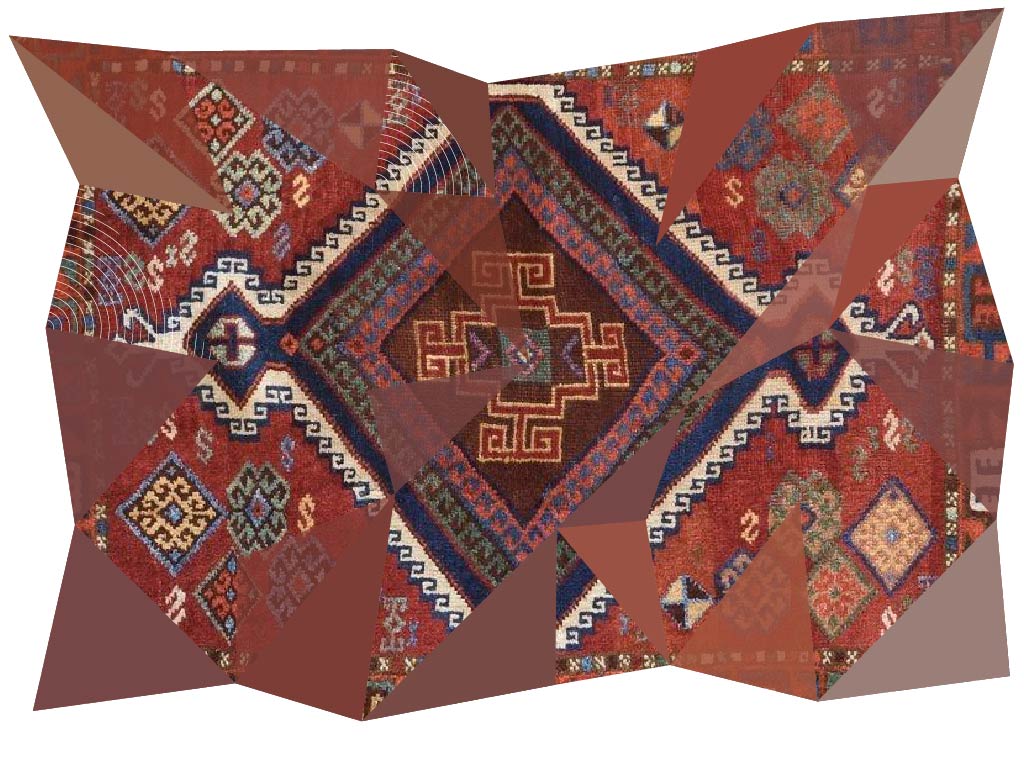
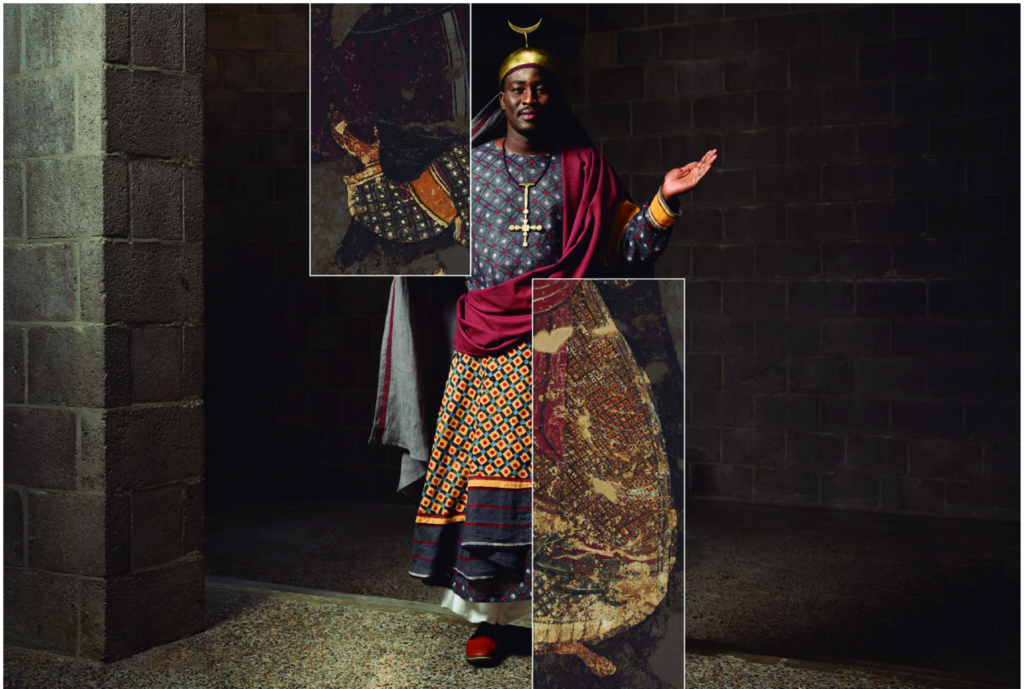
Every piece of fabric has a story to tell. The colours, patterns and weaves of each piece reveal centuries of craft, trade and cultural exchange. Some of these stories are hidden in the mineralised textiles of Pompeii, while others lie in the ancient silk routes that once connected Asia and Europe, or in the wool and dyes that clothed everyone from kings to ordinary people.
The COST Action Europe Through Textiles: Network for an integrated and interdisciplinary Humanities (EuroWeb) connected people studying these stories. From archaeologists and conservators to fashion historians and textile artists, EuroWeb created a network where knowledge could travel as freely as fabrics once did.
Rediscovering Europe through textiles
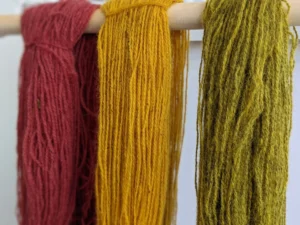
Through conferences, workshops and training schools, the Action demonstrated that textiles had a significant impact on nearly all aspects of European history. Researchers gathered in Pompeii to learn how to handle and document fragile, mineralised textiles. They explored the influence of Asian textiles on European industry between 1200 and 1900. In their sessions on Textiles and the Dead, they investigated what burial cloths can reveal about ancient beliefs. The Sailing Textiles conference examined the role of textiles in navigation and trade, while a training school on knitting, knitwear and wool revisited these long-standing European traditions. Another training school, Dyeing with Natural Dyes, demonstrated how traditional techniques can inspire sustainable practices today.
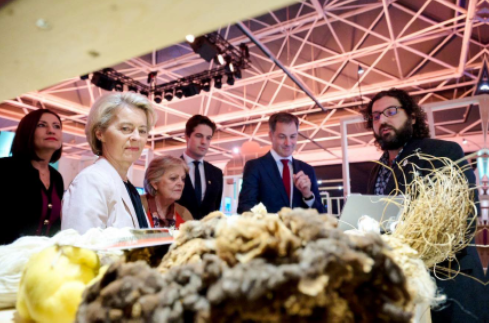
EuroWeb was also showcased at the Festival of the New European Bauhaus in Brussels, where it organised a hands-on LAB event as part of the Fair section. This participation helped highlight the Action’s alignment with the New European Bauhaus values of sustainability, creativity and inclusivity.
Every event revealed new insights, showing how textiles can serve both as evidence of the past and as a source of inspiration for the future.
Did you know?
Some of the oldest textiles still carry traces of Tyrian purple, a dye made from Mediterranean sea snails. In Roman times, it was so costly that only emperors could afford it
In medieval Europe, the kermes insect gave wool a deep red shade prized by nobility
Long before metal or pottery, textiles were Europe’s first great innovation, shaping clothing, trade, identity, and communication
How textile heritage is weaving the future
Led by Dr Agata Ulanowska from the University of Warsaw, the project developed open digital platforms that continue to evolve long after its conclusion.
“EuroWeb generated a substantial body of new knowledge and approaches, as evidenced by more than 50 peer-reviewed publications,” said Dr Ulanowska. “It also developed several open-access infrastructures that remain active and continue to grow.”
The Digital Atlas of European Textile Heritage, for example, is a unique repository that already documents thousands of textiles, tools, seals, workshops and archaeological sites. This interactive platform visualises the many layers of Europe’s textile heritage throughout history.
Another useful resource is the Textile and Clothing Terminology Online platform, which compiles rich vocabularies relating to fabrics and garments in ancient and modern languages. Through language, it highlights how much of Europe’s textile heritage is shared and rooted in centuries of cultural exchange. It is also a valuable research tool, facilitating understanding between scholars and craftspeople from different countries.
EuroWeb also ensured that this knowledge reached beyond academia. The Action’s website and YouTube channel host publications, lectures, and training materials, making this facet of European cultural heritage widely accessible and already used as an educational and outreach resource.
“These resources are widely used and continue to attract interest from professionals and the general public,” said Agata Ulanowska proudly.
Heritage meets sustainability
Building on EuroWeb’s foundations, the COST Innovators Grant HERITEX-HUB, led by Dr Francisco B. Gomes of the University of Lisbon is transforming historical knowledge into a valuable resource for a more sustainable textile and fashion industry.
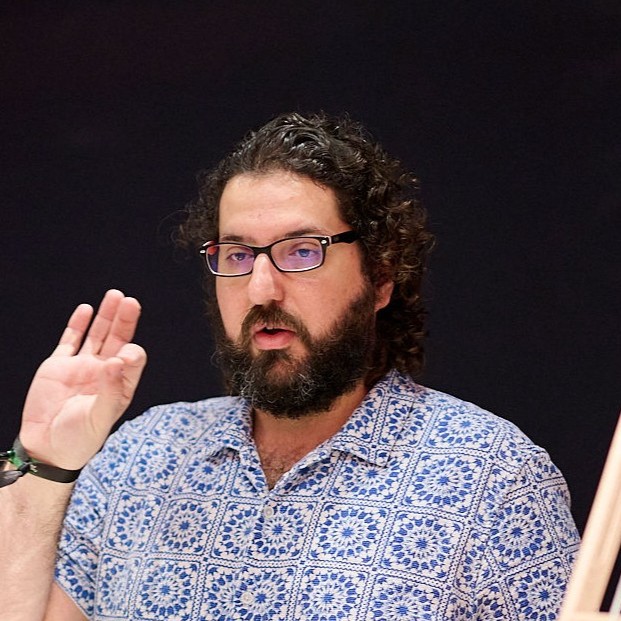
Chair of HERITEX-HUB
“The opportunities that COST provides for training, leadership, and collaboration are truly transformative.”
According to Dr Gomes: “Making textile heritage visible can inspire innovation. By showcasing sustainable practices from the past, we give today’s makers tools to develop greener approaches in a competitive market.”
“EuroWeb acted as an incubator for projects that address sustainability and heritage preservation directly,” said Francisco Gomes. “HERITEX-HUB draws data, knowledge, and inspiration from textile heritage research for more sustainable textile and fashion futures, bridging academic insight with policy and industry needs.”
HERITEX-HUB has connected researchers, designers, entrepreneurs, and small businesses. It has offered practical resources such as factsheets on natural materials and traditional techniques, storyboards to inspire creative design, and the Digital Atlas of European Textile Heritage, mapping sustainable textile know-how across Europe.
“The network is also developing a matchmaking platform to connect local crafts and modern production chains, promoting sustainability from the ground up”, explained Francisco. “At a time when people are growing increasingly aware of the negative impact of how we consume textiles and fashion, historic and traditional examples can show that there are alternatives.”
Did you know that in 2020 textile consumption per person in the EU required on average:
400 m² of land
9 m3 of water
391 kg of raw materials
Caused a carbon footprint of 270 kg
Empowering people through collaboration
For both Agata Ulanowska and Francisco Gomes, the impact of COST extended far beyond research outcomes.
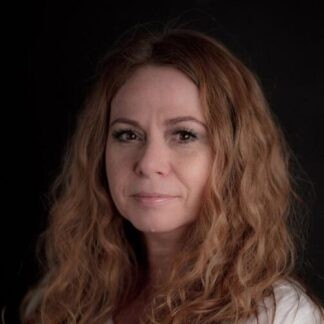
Chair of EuroWeb
“EuroWeb raised awareness of COST Actions at my university, showing how impactful they can be.”
“Participating in EuroWeb was a great, though occasionally exhausting, experience that has significantly advanced my career,” said Agata. “I gained international recognition and met fantastic colleagues with whom I now collaborate. EuroWeb also raised awareness of COST Actions at my university, showing how impactful they can be.”
“I joined EuroWeb as a young postdoctoral researcher and will leave HERITEX-HUB as a consolidated researcher with a permanent position,” added Francisco. “The opportunities that COST provides for training, leadership, and collaboration are truly transformative.”
A shared European fabric
Every fabric holds a story. Thanks to the COST Action EuroWeb and the COST Innovators Grant HERITEX-HUB, those stories continue to inspire new ideas, sustainable practices, and a shared sense of European identity.
From studying mineralised textiles in Pompeii to building digital platforms for future generations, these two COST projects have shown that Europe’s textile heritage is not a relic of the past but a living resource.
“The results from EuroWeb, and in part also from HERITEX-HUB, have been tremendously beneficial for textile heritage researchers and a much wider range of stakeholders,” concluded Dr Gomes. “We hope that making knowledge about textile heritage more accessible will empower people and offer them tools to make informed, sustainable choices.”
Additional information
Textile and Clothing Terminology Online
COST Action Blog: sustainability in the textile industry with EuroWeb
Related article:
COST Action Blog: sustainability in the textile industry with EuroWeb