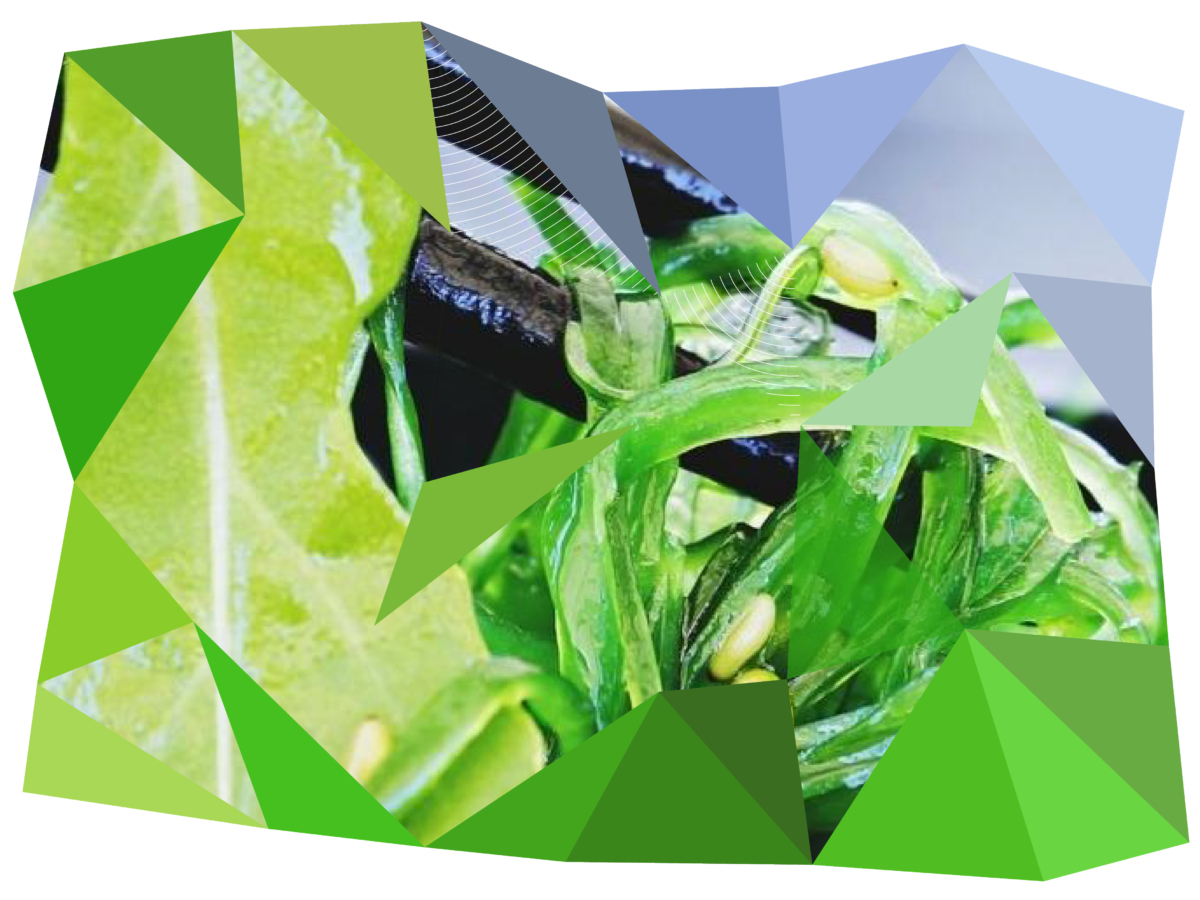
As the global community celebrates Sustainable Gastronomy Day on 18 June, we spotlight a COST Action that uses innovative, eco-friendly food sources to nourish future generations without exhausting the planet.
What can ulva do naturally?
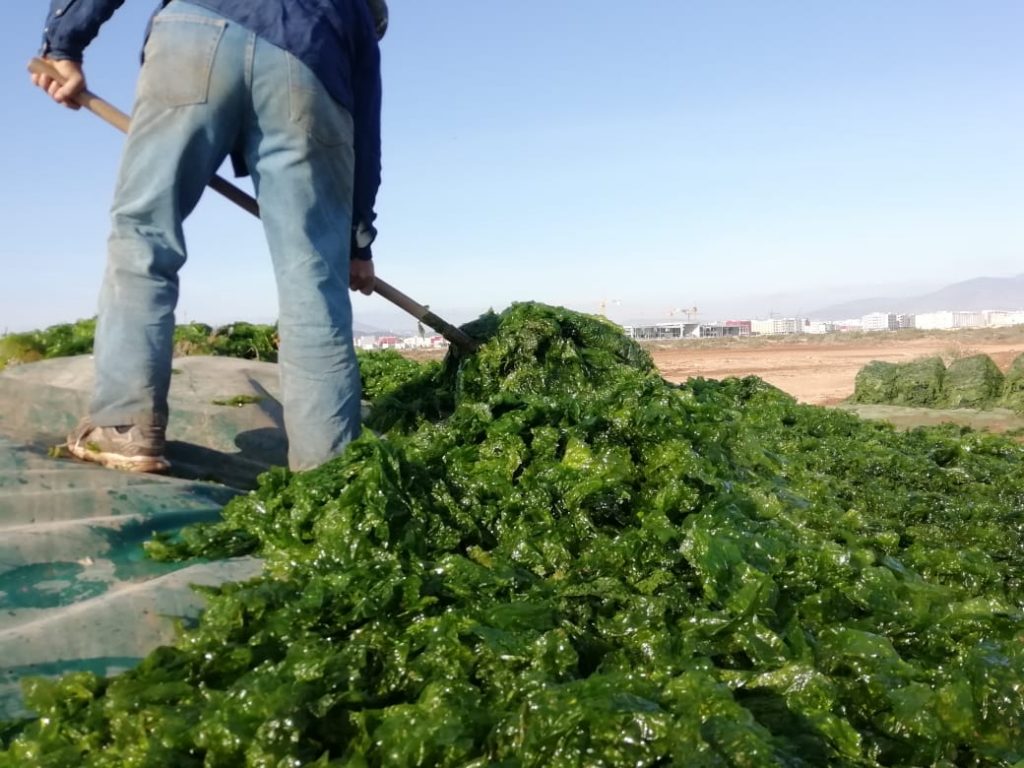
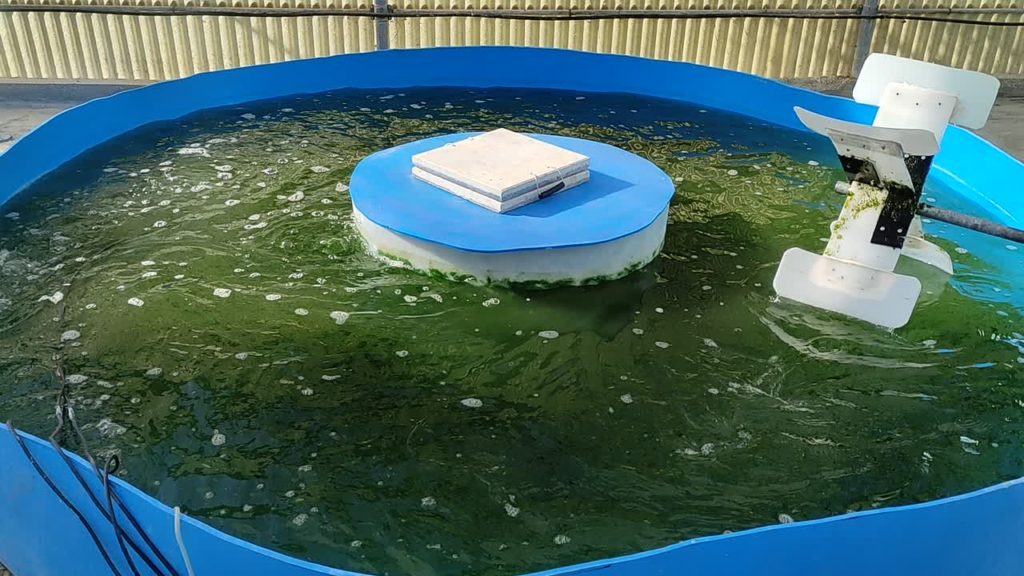
Ulva, also known as sea lettuce, is a fast-growing green seaweed that naturally absorbs nutrients such as nitrogen and phosphorus from the water. These nutrients often come from fish farms or coastal runoff and can cause problems like algal blooms and oxygen loss in the sea. Because it grows fast and is so efficient at removing nutrients, Ulva is now being used more often in fish farming and wastewater treatment as a sustainable way to recycle nutrients. It is also rich in protein, fibre and natural compounds that can be used to produce food, animal feed or eco-friendly materials. This means Ulva is not only good for the environment but also offers economic benefits.
The SeaWheat family and scientific results
COST Action ‘Tomorrow’s ‘wheat of the sea’: Ulva, a model for an innovative mariculture’ (SeaWheat) brought scattered research in seaweed into a single European network. Under the leadership of Professor Muki Shpigel from the University of Haifa, Israel, 440 scientists, innovators and policymakers from 53 countries produced 46 peer-reviewed articles and four major review papers. Training schools, workshops, and short-term scientific missions have disseminated practical knowledge in cultivation methods, bioremediation, and compound extraction. It led to the launch of EULVA: European Ulva Taxonomy Initiative, a pan-European research platform that now links around 80 scientists, institutions and small companies to map ulva’s genetic diversity and coordinate follow-up studies in genomics, biochemistry and ecology.
“Our most outstanding achievement was creating a truly pan-European community where none existed before,” said Muki Shpigel. “By the end of the project, it had become a real interdisciplinary family.”
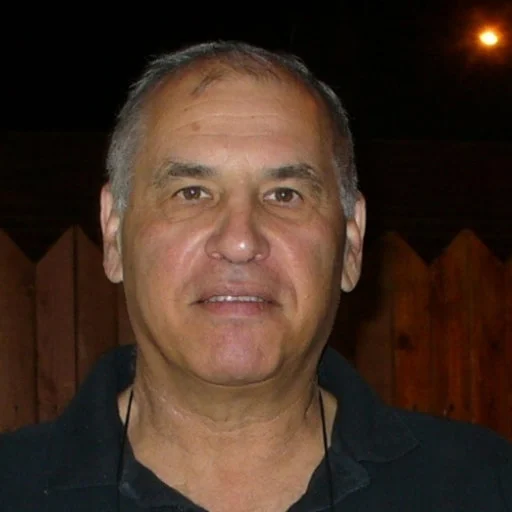
“Our most outstanding achievement was creating a truly pan-European community where none existed before. By the end of the project, it had become a real interdisciplinary family.”
Prof. Muki Shpigel, Chair of SeaWheat Action
Education, outreach and follow-up projects
SeaWheat combined research, communication and learning to keep the work relevant to society. The Action produced animated films in 14 languages for children and adults, as well as a digital Ulva recipe book in six languages. They also created an 18-episode ‘Lunch with Ulva’ webinar series, which introduced Ulva to academics, chefs, teachers and policymakers. Exhibitions, school talks and taste tests helped change public perceptions, transforming seaweed from a nuisance into a valuable resource.
“Our dynamic and inclusive community may have helped to change the perception and value of seaweed in Europe,” said the Action Chair proudly.
The Action’s outreach efforts led to follow-up projects and several Horizon Europe proposals.
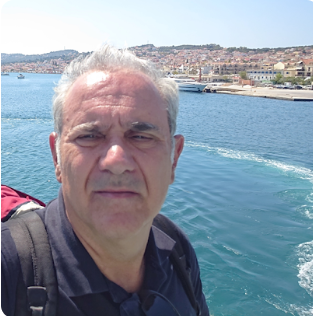
“Our network has already led to collaborative projects at the EU level, as well as multiple national initiatives.”
Dr Ioannis Tzovenis, SeaWheat Action SME Platform Leader
“Our network has already led to collaborative projects such as NOVAFOODIES at the EU level, as well as multiple national initiatives. Several more proposals are in the pipeline for open calls such as Circular Bio-based Europe and Farm to Fork,” said Ioannis Tzovenis, the Action SME Platform Leader. “We have developed practical tools to support this growing community, such as the SEEK search engine for accessing information on Ulva science and technology. We have also set up dedicated communication channels, such as LinkedIn and WhatsApp groups, to enhance ongoing collaboration.
Farms, food and industry
Together, the SME Platform and the research outputs made it easier to transfer laboratory knowledge into real-world pilots and products. Sea- and land-based fish farms and research stations demonstrated the fundamental concept of nutrient recycling and validated business models that integrate environmental services with value-added products.
The SME Platform grew into a meeting place for 17 companies working in aquaculture, food, biotechnology and environmental services. These companies gained visibility at SEAWHEAT events and found new ways to collaborate with researchers on innovative products, from snacks and animal feed to biodegradable materials.
“For a company like A4F, the SeaWheat COST Action was particularly valuable as it was one of the company’s first points of contact with the world of seaweed, its applications, and its main stakeholders. A4F strongly recommends that SMEs engage with this kind of initiative.”
Dr Rui Pereira, SeaWheat Working Group Leader
“Participating in the COST Action SeaWheat provided an invaluable opportunity to strengthen our network of partnerships,” said Dr Rui Pereira of A4F, a company originally created to operate in the microalgae sector. “It created several opportunities for knowledge sharing and trust building among SMEs and researchers that will be fruitful in the coming years.”
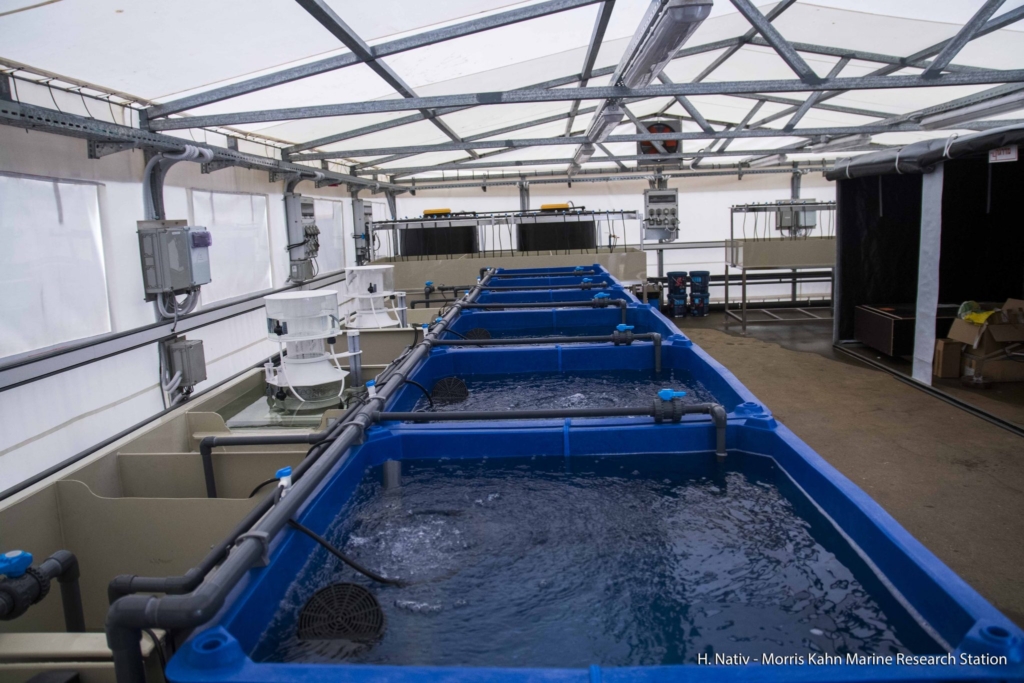
Photo @H. Nativ
Young researchers and innovators
Training opportunities were central to SeaWheat. Training schools and short-term scientific missions provided young researchers and innovators with practical skills that were not always available at their home institutions, while also connecting them with laboratories across Europe. These exchanges enabled participants to contribute to major reviews and ongoing projects while placing them in contact with companies through the SME Platform.
“These opportunities helped me to deepen my knowledge of macroalgae aquaculture and connect with professionals across Europe,” said Ignacio Moreu, a PhD candidate at the University of Málaga. “Many of these connections have already turned into collaborations across Europe and even worldwide.”
“I learned several new methodologies that I can apply to my PhD research, which focuses on macroalgae aquaculture. I also had the opportunity to connect with experienced professionals and colleagues in the same field, strengthening my professional network.”
Ignacio Moreu, SeaWheat Working Group Member
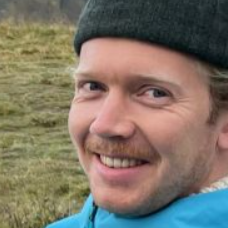
“I greatly benefited from the training activities of SeaWheat,” added Kristoffer Larsen-Ledet, a PhD student at Aarhus University. “They allowed me to learn scientific methods and skills that were not possible at my home institution. It has greatly increased the quality of my research and inspired me to adopt new methodologies at my home institution.”
“The Seawheat COST Action has introduced me to more than 40 European Ulva enthusiasts from both science and industry. In short, I have been blown away by the Action support and inspiring initiative.“
Kristoffer Larsen-Ledet, SeaWheat Working Group Member
A clear benefit for society and sustainable development
SeaWheat combined science, outreach, training and industry to turn research into practical solutions for Europe’s sustainable blue economy. By promoting Ulva cultivation as both a biofilter and a resource for food and materials, the Action supported cleaner seas, sustainable aquaculture and climate resilience. Its research and outreach directly contribute to the EU Mission for restoring ocean and water health and show how a simple plant can link environmental protection with economic opportunity.
Additional information
Follow SeaWheat on social media: Twitter, Facebook, LinkedIn, and Instagram