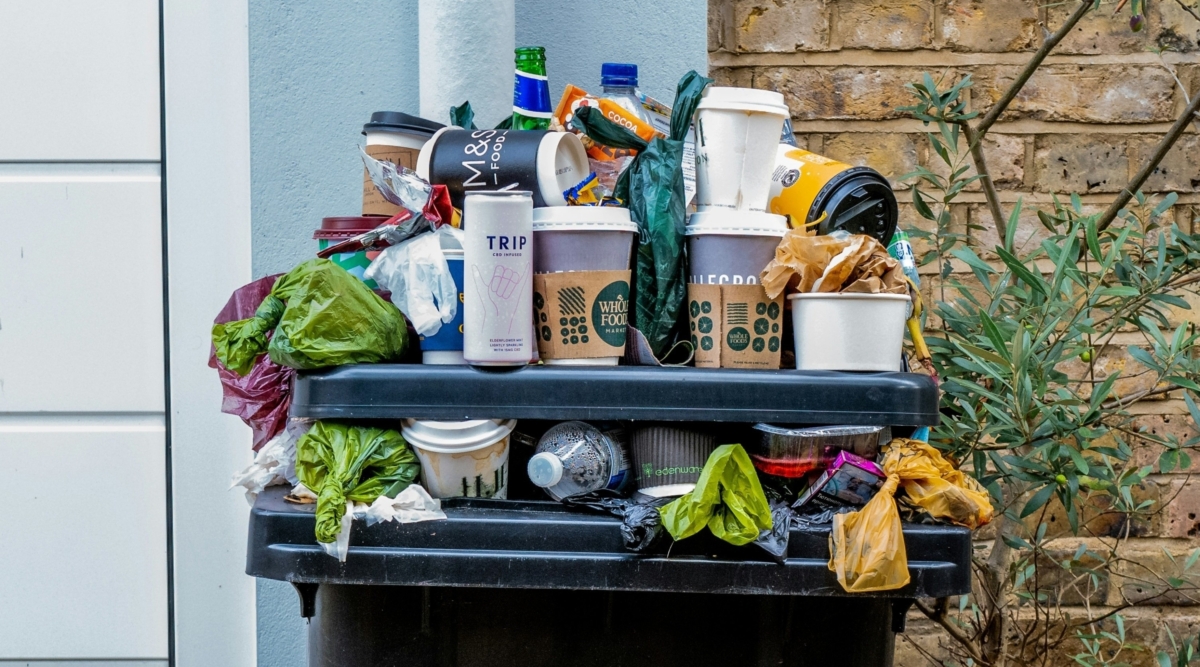
Reducing food loss and waste is crucial in a world where hunger has been steadily rising for a decade, while large quantities of edible food are discarded or spoiled every day.
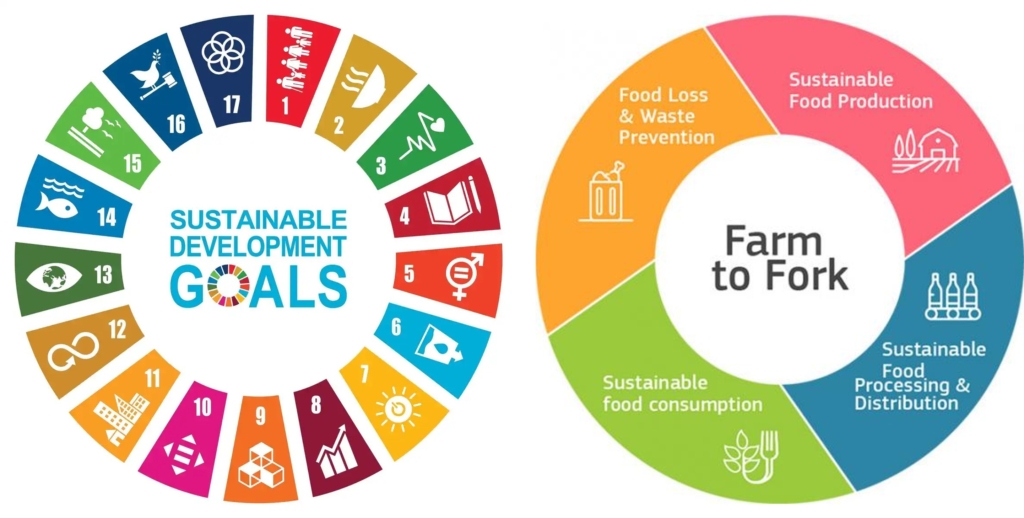
It is recognised as a priority within the UN Sustainable Development Goals and within the European Green Deal’s Farm to Fork Strategy.
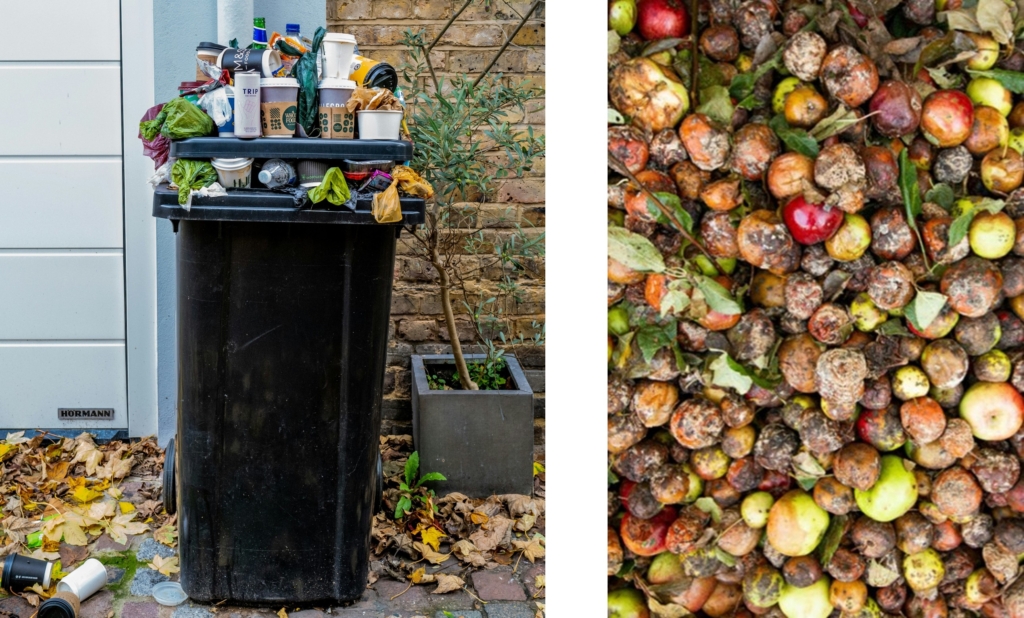
Food loss and waste (FLW) is a global issue widely acknowledged by governments and international organisations. While a third of humanity faces food insecurity, with 783 million people still going hungry, an equivalent of one billion meals go to waste every day, according to the UN Environment Agency and the Food Waste Index Report. It provides the most accurate global estimate of food waste at the retail and consumer levels, aligning with the SDGs’ mission.
Key figures from the 2024 report indicate that one-fifth of food produced for human consumption is lost or wasted globally, with 60% of waste occurring at the household level.
Additionally, food loss and waste generate up to 10 per cent of global greenhouse gas emissions, almost five times the total emissions compared to the aviation sector, a UNEP expert highlights.
Beyond being an ethical and economic issue, food waste also drains the environment of its limited natural resources. To tackle this issue, the Food Waste Breakthrough new initiative, was launched during the recent COP30 in Belèm, Brazil, to halve global food waste by 2030 and cut methane emissions by up to 7%.
Food loss – Food waste
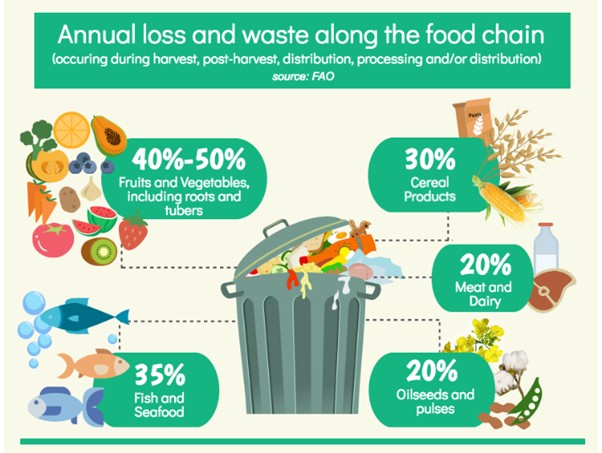
The distinction between food loss and food waste lies in where they occur. Food loss happens during production, post-harvest handling, processing, and distribution, whereas food waste takes place at the retail and consumer stages.
Reducing food loss and waste (FLW) protects natural resources and biodiversity, cuts pollution and greenhouse gas emissions, and ensures that the food we produce is used to its fullest. As a result, it plays a vital role in creating efficient, inclusive, resilient, and sustainable agrifood systems, while also strengthening food security, nutrition, and health.
Introducing the COST Action FoodWaStop
To address this issue, a new collaborative research network, the Sustainable Network for Agro-Food Loss and Waste Prevention, Management, Quantification and Valorisation, FoodWaStop, was established in 2023, bringing together 955 members from 63 countries with a common goal of analysis and prevention of food loss and waste.
The COST Action FoodWaStop aims to reduce food loss and waste through innovative scientific approaches and wide international collaboration of different committed researchers and stakeholders. The initiative seeks to extend the shelf life of perishable Euro-Mediterranean food products and to disseminate research outcomes to stakeholders through practical measures. Practical measures will be provided to grower associations, plant doctors, packinghouse technicians, retailers, food managers, and consumers to reduce fruit and vegetable loss and waste by at least 15%.
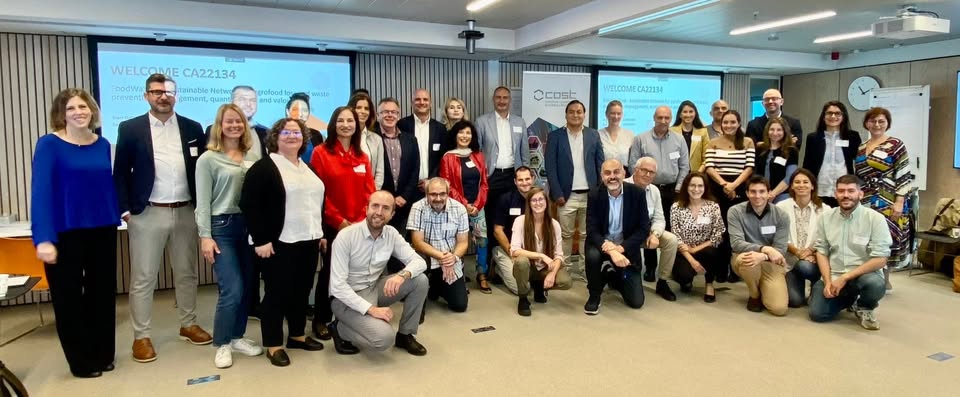
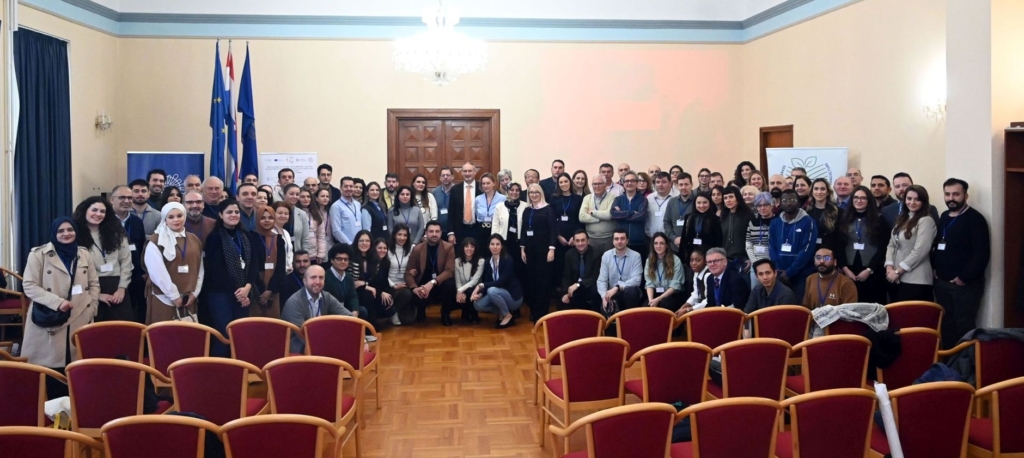
“The third annual meeting of COST FoodWaStop Action held in Zadar, Croatia, showed the interest of over 150 participants (90 of them funded by COST and the others self-funded) from 30 countries, with good interactions, making the state of the art of the deliverables together with WG leaders, and planning next initiatives, that includes writing of over 20 joint scientific papers in progress. The local organiser, Slaven Zjalic, WG2 leader, was excellent in the organisation and provided facilities that allowed a smooth interaction over the two days, in which we had 37 presentations and 67 posters,” says Prof. Gianfranco Romanazzi, Chair of Food WaStop.
He adds: “The interest in recycling of food waste is confirmed by the interest in the training school in Cesis, Latvia, on WG4, which received 92 requests for participation of trainees, from 26 countries, as compared to 37 available Grants, and several participants are joining with their own Grants. On the network website, there is news of the call open for 12 STSM for a period from 3 weeks to 3 months in a foreign lab, with a deadline on 6 March. We are happy to see so many young researchers interested in the subject, taking advantage of the networking with more experienced participants and labs, for an improved overall knowledge supporting the reduction of food loss and waste”.
FoodWaStop will establish a knowledge platform to promote innovation, provide guidelines, and foster dialogue with policymakers, with the aim of raising awareness of the social and economic implications of food loss and waste (FLW). Additionally, the Action will support access to high-quality, longer-lasting fresh fruit and vegetables through safe, innovative solutions that reduce food waste and significantly limit the use of synthetic pesticides, directly contributing to the Farm to Fork objectives of the European Green Deal.
A social and interactive platform will be established to facilitate citizen science and support businesses in the transfer and sharing of knowledge. These initiatives will foster the development of next-generation entrepreneurs and scientists who will shape and drive the future of sustainable agriculture.
In conclusion, FoodWaStop represents a timely and collaborative response to one of the most pressing challenges facing modern food systems. Producers, investors, businesses, supply chain actors, consumers of all ages, academia, civil society, and the public and private sectors are all called upon to take urgent, coordinated action to significantly reduce food loss and waste, thereby safeguarding global food security now and for future generations.
“The transnational survey conducted within FoodWaStop confirms that household food waste is fundamentally a behavioural issue,” says Prof. Luca Falasconi, the Action’s Science Communication Coordinator.
“Although measurement remains crucial, real progress depends on understanding the everyday decisions, habits and perceptions that shape consumer behaviour. Empowering consumers with knowledge and practical tools is therefore key to moving from estimating waste to genuinely preventing it. By analysing behavioural drivers and socio-demographic patterns across 70 countries, we provide evidence that can inspire more targeted, effective and scalable prevention strategies,” adds Luca Falasconi.
By fostering innovation, knowledge exchange, and practical solutions across the agrofood value chain, FoodWaStop aims to deliver lasting environmental, economic, and social benefits, contributing to more resilient and sustainable food systems worldwide.
Additional information
Webpage of the Action on the COST website
Website of FoodWaStop
FoodWaStop on Social media: Facebook, LinkedIn, Instagram, YouTube and X