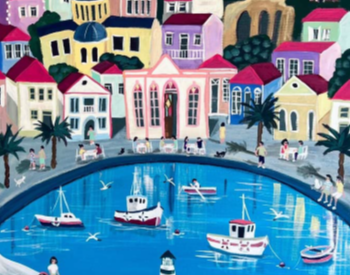
Building island resilience while protecting the ecosystems
Water covers more than 70% of the Earth’s surface, hosting hundreds of thousands of islands. There is no single official count of islands, as definitions vary by size, but estimates range from more than 600,000 to nearly one million worldwide. Countries such as Sweden, Norway, Finland, and Canada host the highest numbers of islands, largely due to their long, glaciated coastlines.
There is currently no systematic or harmonised inventory of European Union (EU) islands, including smaller ones. Nevertheless, EUROSTAT identifies 58 island regions across the EU-27, home to approximately 20.5 million people, representing 4.6% of the total EU population.
By definition, an island is a piece of land surrounded by water and characterised by a physical ‘disconnection’ from the mainland. It is widely recognised that many of the challenges they face are due to permanent conditionalities, such as the dependence on maritime and air transport, with influence on the socio-economy and the environment alike.
Article 174 of the European Treaty (TFEU) has recognised that many of the European islands are suffering from structural handicaps, leading to limited economic activity due to their small size, population reduction, and landscape degradation. European islands serve as vital centres of biological and cultural diversity. However, compared to mainland regions, they are particularly vulnerable to climate change, rapid tourism development, unregulated land-use changes, and economic instability. These pressures have increasingly resulted in significant adverse impacts on socio-economic systems, environmental resources, and ecosystem services. Projected changes in climate and land use are expected to further affect island biodiversity, ecosystem functioning, and, consequently, the quality of life of island communities. While existing methodologies can adequately predict climate-driven ecological changes on larger islands, their applicability remains limited for small and medium-sized islands, highlighting the need for refined and scale-appropriate approaches.
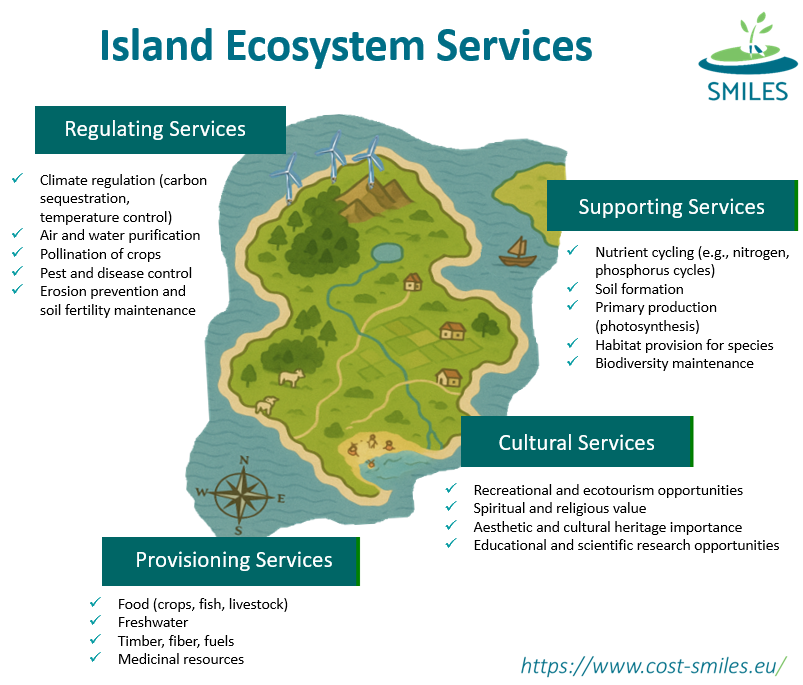
Islands’ challenges
Integrated assessments of island-related Ecosystem Services (ES) remain limited. While ES assessments have been conducted globally across various geographical contexts, islands continue to be underrepresented. Despite their acknowledged importance and vulnerability, research on the identification and provision of ES on islands is still scarce.
Local specificities and needs are often overlooked in policy objectives. A key challenge for islands is that their natural resources are largely managed according to national, regional, or even global policy frameworks that frequently fail to account for local contexts and priorities.
The EU Green Deal promotes transformative change toward a more sustainable future, with Nature-based Solutions (NbS) offering multiple societal and environmental benefits. Despite this potential, their uptake in island environment policy and planning remains limited. During the third United Nations Ocean Conference (UNOC 3) in Nice in June 2025, attention was drawn to the dual threats and opportunities that seabed exploration presents for island territories.
Islands and their surrounding waters have long been recognised as biological and cultural laboratories for centuries, and European research cannot afford to ignore them, especially as the climate continues to change.
Introducing SMILES
To address those challenges, the COST Action SMILES, Enhancing small-medium islands resilience by securing the mustainability of Ecosystem Services, brings together 214 scientists, researchers, and academics from 42 countries.
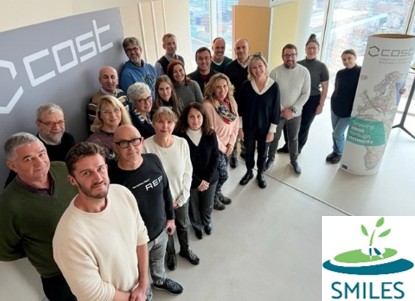
It seeks to create a collaborative platform for interdisciplinary research on ecosystem services in small and medium European islands, strengthening knowledge to support their conservation and sustainable development.
The network, articulated through six working groups, focuses on analysing islands’ Ecosystem Services and how they are impacted by land use and climate change. This network aims to develop nature-based solutions to safeguard islands’ ES and to inform effective policy and governance strategies.
“SMILES is a reminder of the need to protect the thousands of natural and cultural laboratories scattered across the high seas, in an effort to put them back on the political agenda under increasing global environmental change,” says the Action Chair, Prof. Ioannis Vogiatzakis.
The Action outputs will be consolidated into a proposal for a new ERA strategy focused on small and medium-sized islands. SMILES will produce targeted papers and policy briefs aimed at scientific and policy audiences, including relevant European agencies and international stakeholders.
With 58 island regions across the EU-27, SMILES primarily has a European scope. However, the challenges they face are also relevant to many non-EU coastal and oceanic countries. Consequently, the exchange of knowledge and the development of a broader international network will benefit all partners. Several non-EU COST countries contribute case studies and insights from their national contexts and are applying results beyond the European Research Area.
SMILES’ Artwork Contest 2025
Science communication best practice
Culturally, islands resonate in various ways in our minds. They often symbolise isolation, being alone, like in literature, Robin Crusoe or a great escape, a refuge away from society’s responsibilities, social pressures, or modern life. Islands also symbolise leisure and relaxation, while they are also linked to myths and stories about brave explorers and lost civilisations. How an island is interpreted often depends on whether the focus is on its freedom and beauty or its separation and vulnerability.
In July 2025, SMILES launched a campaign to share the creative vision of island ecosystems and contribute to our understanding of these unique environments. From comic books, pictures, paintings, videos, to Artcraft, network members have shared their perceptions of what their islands reflect.
By combining science, culture, and creativity, the SMILES’ Artwork Contest 2025 sought to build a collective artistic narrative that contributes to knowledge exchange and community engagement in the context of sustainable island development. Here are some of the greatest contributions to the contest. Click on these categories to view many more!
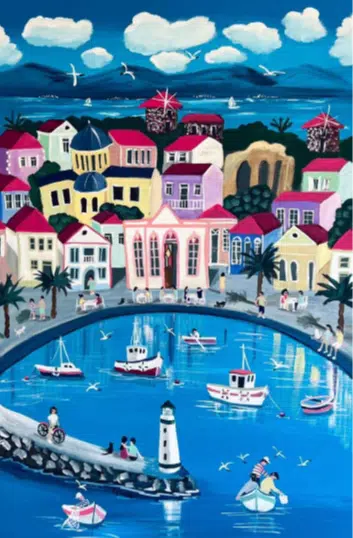
Saziye Aysin Ozen
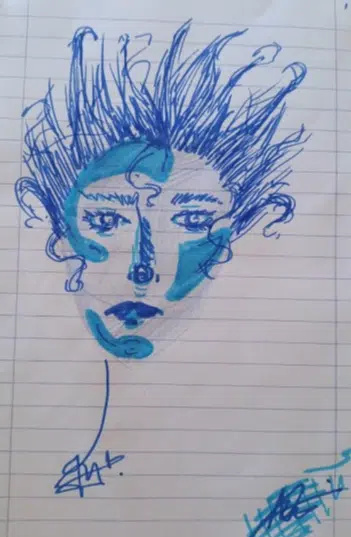
Andriana Saloustrou
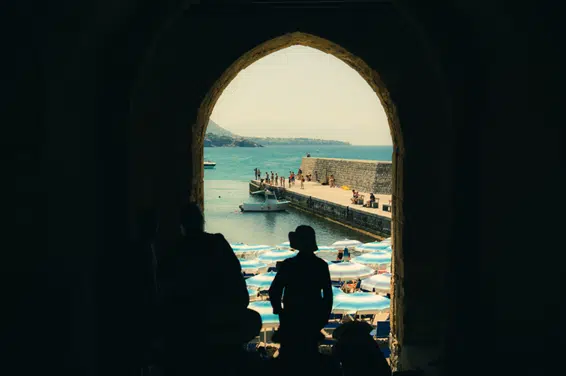
Mihajlo Srdjevic
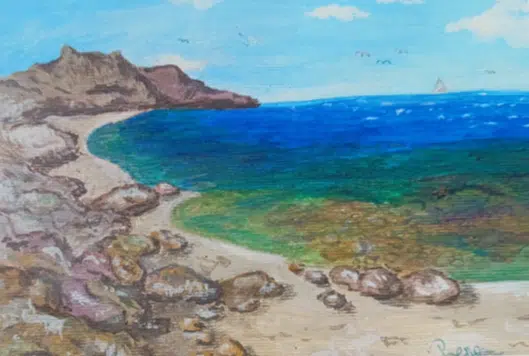
Irene Christoforidi
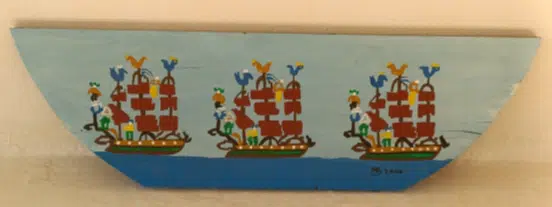
Maria Verigaki
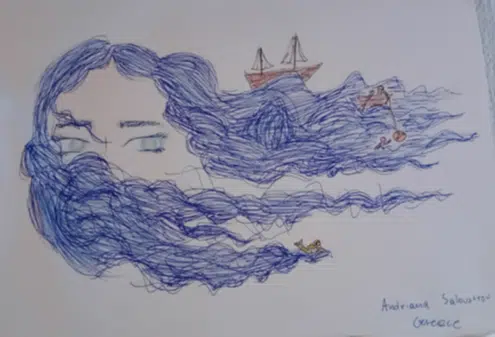
Andriana Saloustrou
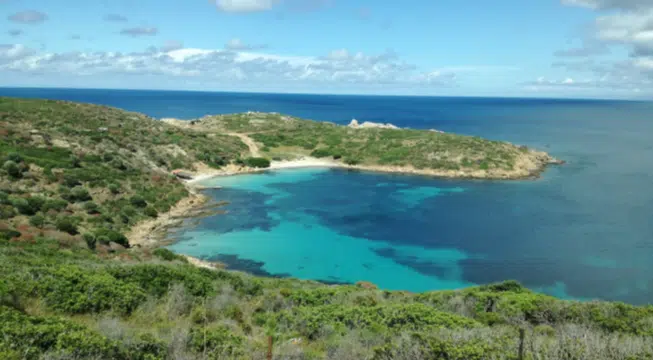
Sabrina Lai
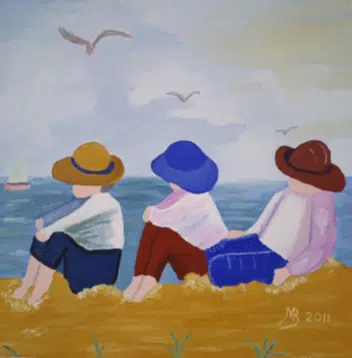
Maria Verigaki
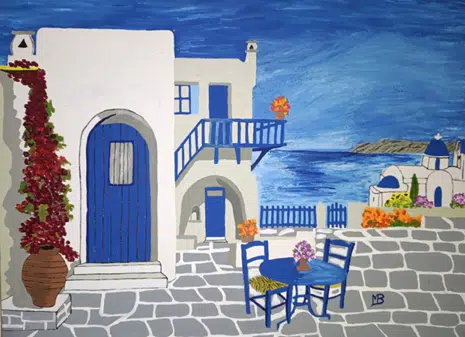
Maria Verigaki
We asked Dr Irene Christoforidi, SMILES’ Science Communication Coordinator about this creative initiative.
Where does the idea of the Artwork Contest come from?
“The idea for SMILES’ Artwork Contest emerged from our desire to communicate science in a more inclusive, creative, and emotionally engaging way. Islands face complex challenges related to climate change, sustainability, and resilience, and we wanted to open this conversation beyond the scientific community. Art has the power to translate scientific concepts into stories, images, and emotions that resonate with diverse audiences. Through the contest, we aimed to bring together scientists, artists, and citizens, encouraging fresh perspectives on island sustainability while fostering dialogue, awareness, and a shared sense of responsibility for island environments.”
Have you had an experience in creative illustration to translate scientific knowledge?
“Yes, I have had experience working with creative illustration as a way to translate scientific knowledge into accessible and engaging narratives. Visual storytelling allows complex scientific concepts to become more understandable, relatable, and emotionally resonant for broader audiences. Through collaborations with artists, designers, and communicators, I have seen how illustration can bridge the gap between research and society, making science more inclusive and impactful.”
What impact did you hope to achieve?
“We aimed to make scientific knowledge more accessible, engaging, and inclusive by translating complex research into visual narratives that resonate beyond academia. Through this initiative, we sought to stimulate curiosity, encourage dialogue, and build emotional connections around island sustainability and climate challenges. Ultimately, the goal was to empower artists, students, and citizens to actively engage with science, fostering awareness, creativity, and a shared sense of responsibility.”
What did you learn during this journey?
“This journey reaffirmed how powerful creativity can be in bridging the gap between science and society. I learned that when scientific knowledge is communicated through art and storytelling, it becomes more accessible, emotionally resonant, and open to interpretation and dialogue. I was deeply inspired by the diversity of perspectives and talents that emerged, demonstrating that meaningful engagement with science can arise from many disciplines and voices when genuine space for collaboration is created.”
SMILES Comic
From storytelling to sustainable landscapes
Framed through a child-led narrative and grounded in real island environments, the comic renders complex environmental concepts accessible through engaging, place-based storytelling. A group of young protagonists embarks on a treasure hunt that takes them across small and medium-sized European islands, including Crete, Limnos, Cyprus, and Malta.
In partnership with the REACT4MED project, which focuses on reinforcing Mediterranean resilience through nature-based solutions and the revitalisation of traditional land management practices, the SMILES initiative acts as a bridge between research and society, translating applied scientific knowledge into narratives that can shape environmental awareness from an early age.
The connection between education and research was further strengthened through the implementation of the comic within interactive learning environments. Last May 2025, SMILES participated in a public outreach event called Fascination of Plant Day organised by the School of Agricultural Sciences at the Hellenic Mediterranean University, in Heraklion, Crete, (Greece) that gathered more than 124 researchers and 2,500 participants. SMILES members carried out participatory educational initiatives, engaging children and young people in creative reflection on local island ecosystem services. SMILES comic books were offered to participants as a takeaway from the activity, including ERASMUS students.
Another noteworthy innovation of the initiative was the inclusion of youth voices in the creative process. During the development of the comic’s characters and script, the scientific team collaborated with three adolescents, formally engaging them as youth stakeholders. SMILES comic is available in ten languages (English, Greek, Italian, Spanish, French, Portuguese, Serbian, Croatian, Turkish, and Armenian), with additional translations underway and videos for SMILES COST Action YouTube channel. Τhe SMILES Comic and artwork demonstrate how integrated approaches combining art, education, and science can support policy objectives related to sustainable development in small and medium-sized islands. This approach emphasises the importance of inclusive, creative communication tools in promoting environmental awareness, social engagement, and pathways toward resilient landscapes.
Additional information
SMILES’ COST Action webpage
SMILES’ website
SMILES on social media: LinkedIn, Facebook, Instagram