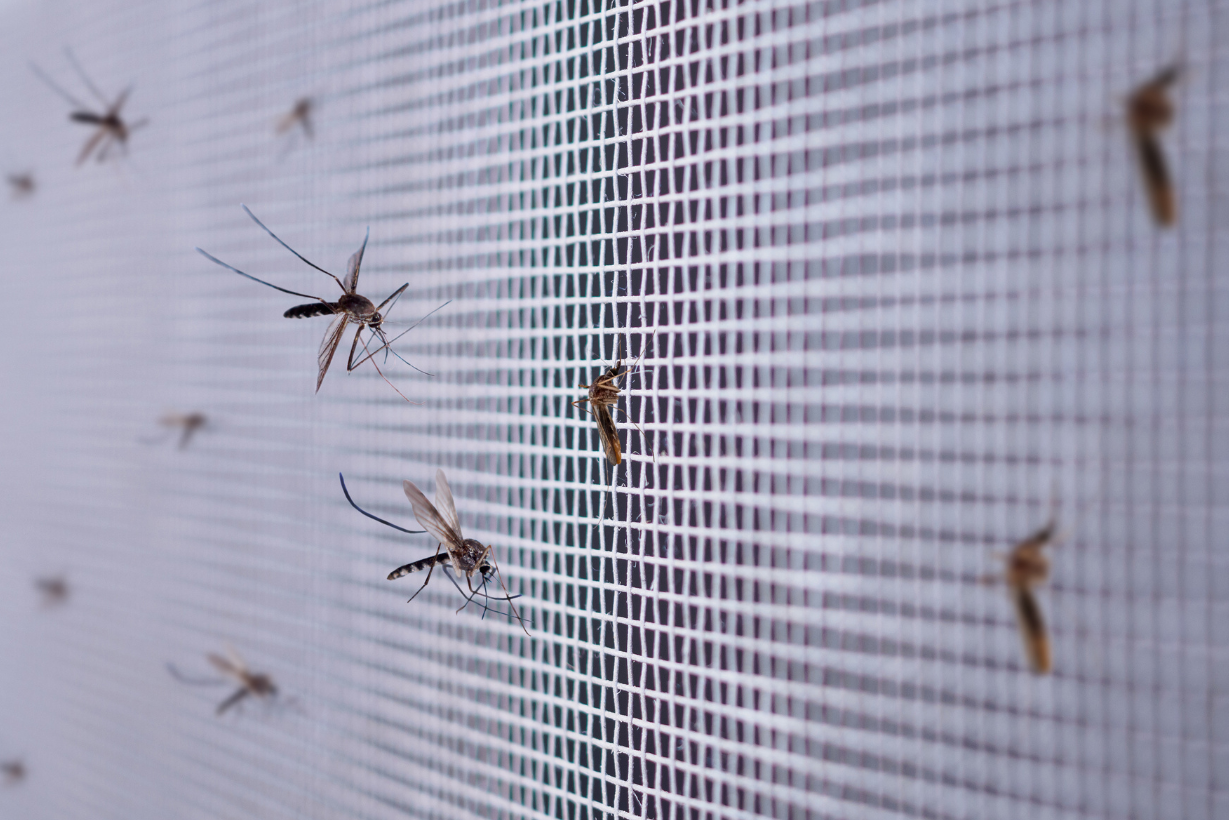
Mosquitoes are more than just a summer nuisance; they pose a significant global health challenge, killing over 700,000 people every year. Mosquito-borne diseases such as dengue, Zika, and chikungunya were once considered distant threats, but climate change and rapid urbanisation are enabling mosquitoes to spread to new areas, including parts of Europe.
A challenge of this scale requires a global, unified response rather than just local efforts.
To answer this threat, the COST Action Investigation and Mathematical Analysis of Avant-garde Disease Control via Mosquito Nano-Tech-Repellents (IMAAC) was launched to establish links between cutting-edge research and practical solutions.
Mosquitoes have been around since the Triassic period, 400 million years ago.
Mosquitoes find hosts by sight, infrared radiation, and chemical signals.
Some species of mosquitoes are attracted to smelly feet and cheese
Dark clothing attract some species of mosquito more than lighter coloured clothing.
A full moon increases mosquito activity by 500%, according to one study.
Breaking the silos through collaboration
It has long been known that prevention is better than treatment. However, the biggest hurdle in mosquito control was not a lack of science but a lack of collaboration. Research was being conducted in small, isolated bubbles, with teams using different methods and rarely comparing their results. This fragmentation made it incredibly difficult to develop the robust evidence required for significant public health decisions.
COST changed the game. The IMAAC Action brought together almost 100 experts from 35 countries, including mathematicians, chemists, textile engineers, and medical doctors.
As the Action Chair, Dr Peyman Ghaffari, of the University of Aveiro in Portugal,explains, “Usually, scientists from fields as diverse as epidemiology, mathematics, textile engineering, and entomology do not communicate with one another, which is a major obstacle.”
Regular interdisciplinary exchanges fostered trust and enabled these experts to ‘speak the same language’. By providing a platform for aligning concepts and methods, the COST Action transformed a group of individual scientists in different scientific fields into a network, making future collaboration easier and more effective.
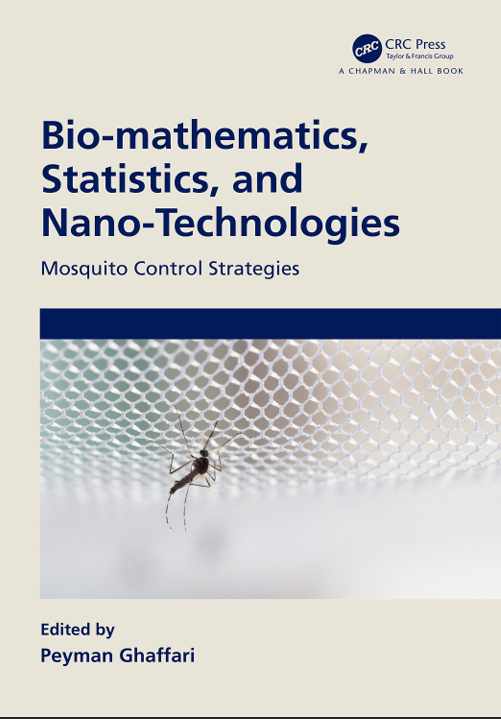
This led to the publication of the scientific book ‘Bio-mathematics, Statistics and Nano-Technologies: Mosquito Control Strategies’ in 2023. It provides an extensive overview of the latest techniques for modelling, analysing, controlling and combating mosquito-transmitted, vector-borne diseases. Including multiple case studies, it serves as a focal point for interdisciplinary discussion, explaining how different fields can contribute to mosquito control.
Transforming research into a wearable shield
In addition to publishing papers, the COST Action IMAAC explored technologies that repel mosquitoes and can be incorporated into everyday materials, particularly textiles. They effectively turn clothing into a protective barrier.
In collaboration with the University of Zagreb and Greenacre Chemicals in Mumbai, an industry partner in India, the team developed a plant-based textile treatment. This can be applied during washing, just like fabric softener. The treatment remains effective for up to thirty washes and costs only a few cents per garment. Keeping the solution simple and affordable was key to making it usable outside the laboratory.
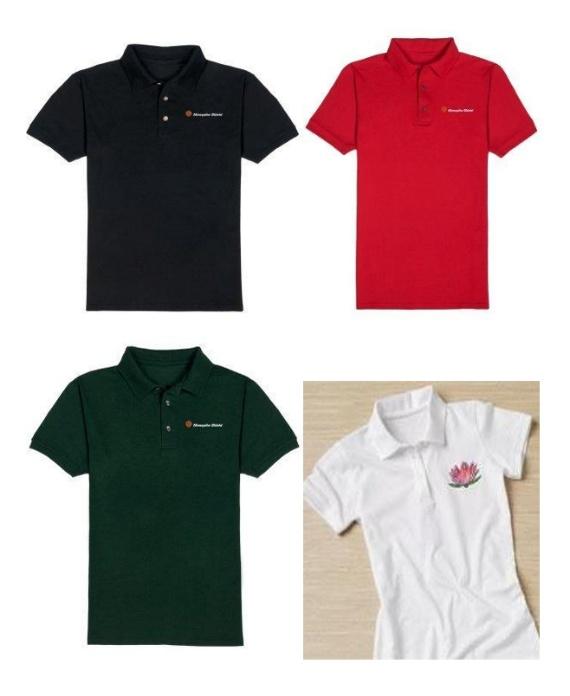
“Our mosquito repellent is derived from natural sources, for instance, Immortelle Oil obtained from Helichrysum italicum plant or vibroactivated Zeolite (volcanic ashes),” explains Peyman Ghaffari. “The product is specifically designed for textile fabrics and garments, offering a simple, straightforward application process.”
At the same time, the researchers worked on reliable ways to measure the effectiveness of these solutions.
Proving it works on a global scale
IMAAC placed a strong emphasis on proper testing. With the support of COST, repellent-treated fabrics were tested in Italy, Brazil, India, and the United States. Trials took place outdoors and in laboratories, with high standards and methods recognised by the International Organisation for Standardisation being applied. This made the results credible and comparable everywhere.
While mass production was beyond the scope of the project, the results showed clear promise.
“Although we lacked the funds to produce garments for the mass market, we managed to develop a product that could be tested in field studies and demonstrated its efficacy,” said the Action Chair. This evidence now supports follow-up funding, industrial interest, and a pilot production run planned for 2026.
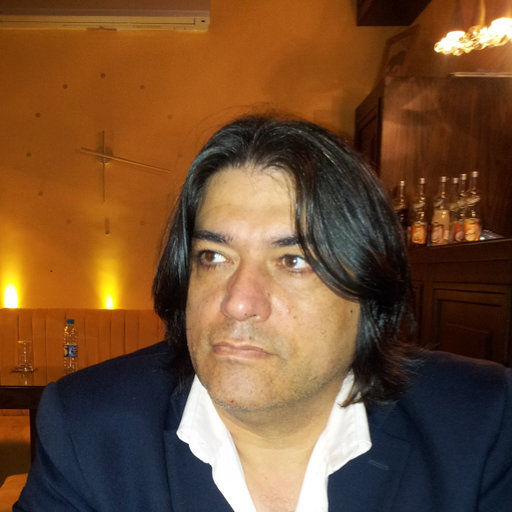
Chair of COST Action IMAAC
“The product is specifically designed for textile fabrics and garments, offering a simple, straightforward application process.”
Digital tools and the power of citizen science
Members of IMAAC also explored digital solutions. Researchers developed an AI-based mobile application called at the moment MozziScan (AI Mosquito Identifier) that can identify mosquito species in images with a degree of accuracy above 98%. This reduces reliance on specialists and enables data to be collected on a much larger scale. The tool is a research-based prototype, not yet officially registered, with plans under discussion to name, promote, and link it to a global databank in 2026.
“Results from these tests, with very high accuracies, show that our system outperforms recent state-of-the-art methods,” says Peyman Ghaffari. “The Apps could significantly improve our mosquito control strategies, offering innovative solutions to fight mosquito-borne diseases.”
The app offers a quick, affordable and automated way to support vector control programmes. It also plays a key role in citizen science by enabling people to contribute data via their phones.
Scaling up for a safer future
Although the COST Action IMAAC has ended, its impact will continue to grow in a new phase called IMAAC-Next. This phase will focus on piloting the production of mosquito-repellent clothing in Europe, conducting further international testing and creating a database on mosquito-borne diseases which can be accessed worldwide.
IMAAC-Next partners are already collaborating with universities and institutes in Florida, Albania, Italy and Cape Verde to trial textile treatments for mosquito control.
Looking ahead, Dr Peyman Ghaffari sums up the ambition clearly: “The outlined action helps IMAAC generate funds for research and the continuation of these projects.”
The Action IMAAC demonstrates how a COST Action can transform collaboration into a lasting, tangible solution that genuinely protects people.
Additional information
Read the Action Book: Bio-mathematics, Statistics and Nano-Technologies: Mosquito Control Strategies
Consult the scientific paper co-authored by the Action members:
Interplay of climate change with physiological changes in adult Aedes albopictus