Across Europe and beyond, traces of the past, such as artefacts, memories and landscape scars, tell stories about who we are and how we live. Until recently, however, there was no single field that brought together the scientists, artists, curators and activists who study these traces.
The COST Action Traces as a Research Agenda for Climate Change, Technology and Social Justice (TRACTS) has taken on the challenge.
“The Action’s biggest achievement was to establish trace studies as an interdisciplinary field that connects the past with the present to inform the future”, said Dr Magdalena Buchczyk from the Humboldt University of Berlin, the Action Chair. “This scientific field gives us a fresh, critical perspective for tackling today’s most urgent issues, from climate change and rapid technological shifts to questions of social justice”.
TRACTS connected over 300 researchers from over 30 countries, creating new ways to understand how material and digital traces, visible and hidden, shape our world.
Through 30 international meetings, five training schools, and 55 research grants, TRACTS transformed these early conversations into a vibrant, global network. The COST framework provided participants with something rare in academia: the time and trust necessary to explore new connections across disciplines that rarely meet.
“COST opened the box of anthropology for me,” she recalled. ‘It was a catalyst for conversations between artists, activists, scientists, philosophers, archaeologists and environmental humanities scholars that I would never otherwise have had.”
Each TRACTS’ Working Group (WG) focused on a different aspect of traces in today’s world, such as climate change, technology, social justice or ethics.
The WG ‘Trace as Ethical, Methodological, and Conceptual Challenge’ helped define ‘trace’ as a shared scientific concept and proved that real interdisciplinarity is possible.
“You can’t talk about the climate crisis without also addressing indigenous claims to land, or without looking at the role of technology in proposed solutions”, explained Dr Lee Douglas, WG leader.
“We talk a lot about interdisciplinarity, but in practice it’s much harder than it sounds. TRACTS has really made it happen”, said Lee.
“The humanities and social sciences help us learn from the past, think critically about the present, and imagine solutions for the future.”
Dr Lee Douglas
The WG ‘Traces and Social Justice’, led by Dr Sanja Horvatinčić and Dr Karolina Pauknerová, addressed the legacies of violence, colonialism and inequality, subjects that remain politically charged but necessary to confront with care. “Tracing and traces bring us closer to the current challenges such as war, migration and injustice,” said Sanja.
“When you work with sensitive topics like violence and dispossession, you must stay aware and not harm anyone. The goal is to be as ethical as possible”, adds Karolina.
The WG ‘Traces and Climate Change’ focused on traces in relation to climate change, specifically examining the social impact of natural disasters, loss of biodiversity, and environmental degradation (e.g., post-mining and post-conflict landscapes, and rewilding).
“Landscapes contain many layers of history,” said Alberto Berzosa, co-leader of the WG. “Learning how to read these layers helps us explain our reality in much more detail. This perspective allows us to see landscapes not just as scenery or physical spaces, but as complex records of ecological and social change.”
The WG ‘Trace & Technology’ examined how society, innovation and technology both shape and transform the world around us. The group used tools such as satellite imagery to reveal the impact of human activities on landscapes. It also debated the ethical use of emerging technologies, such as artificial intelligence. “Technology is a tool for investigating traces, but we must also be critical of the traces it creates,” explained Dr Ivan Šulc, WG co-leader.
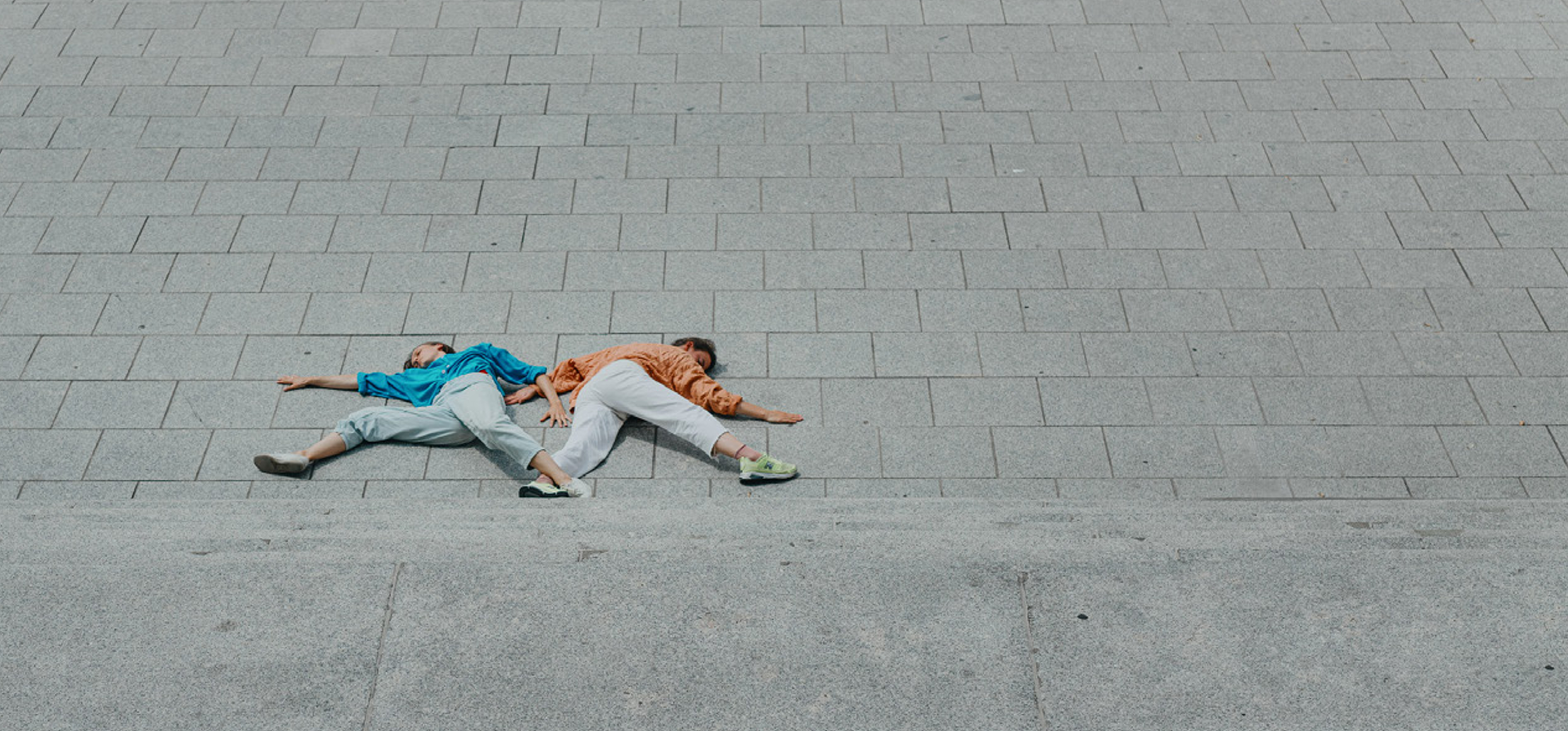
The task of the WG ‘Dissemination and Communication’, led by architect and filmmaker Bahanur Nasya, was to make such complex ideas accessible to the public.
“We worked with artistic, inspiring and inviting approaches through films, digital technologies and creative practices,” she said. “By building on the existing skills of our network, we were able to engage wider audiences in a very direct and inspiring way,” she said.
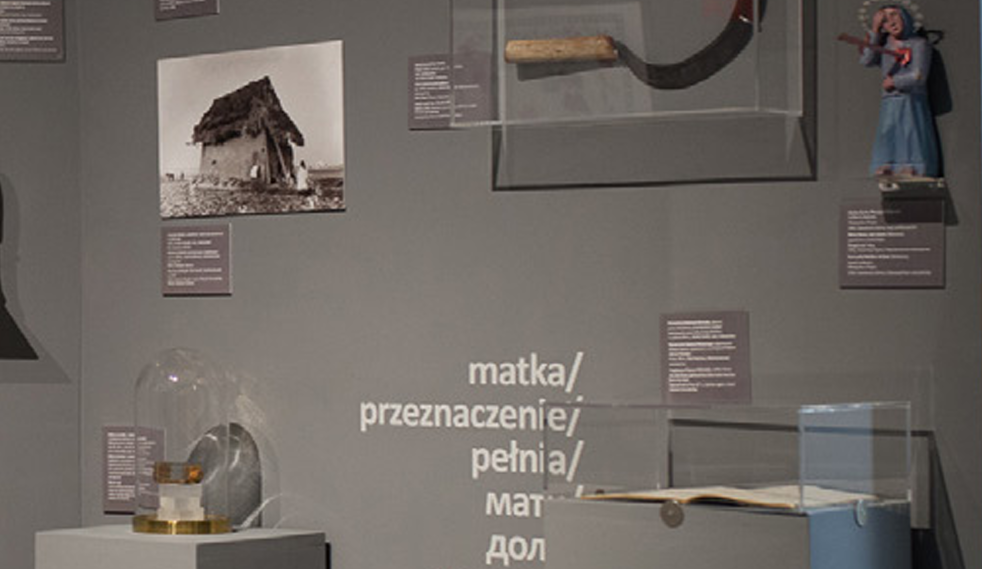
Dr Magdalena Zych, the Science Communication Coordinator, emphasised the same point. “Transferring knowledge into society is one of the most important goals for the future,” she explained. “I believe this is one of TRACTS’s key lessons: through international collaboration, we can rethink how museums and cultural institutions work with traces of the past to better serve society today.”
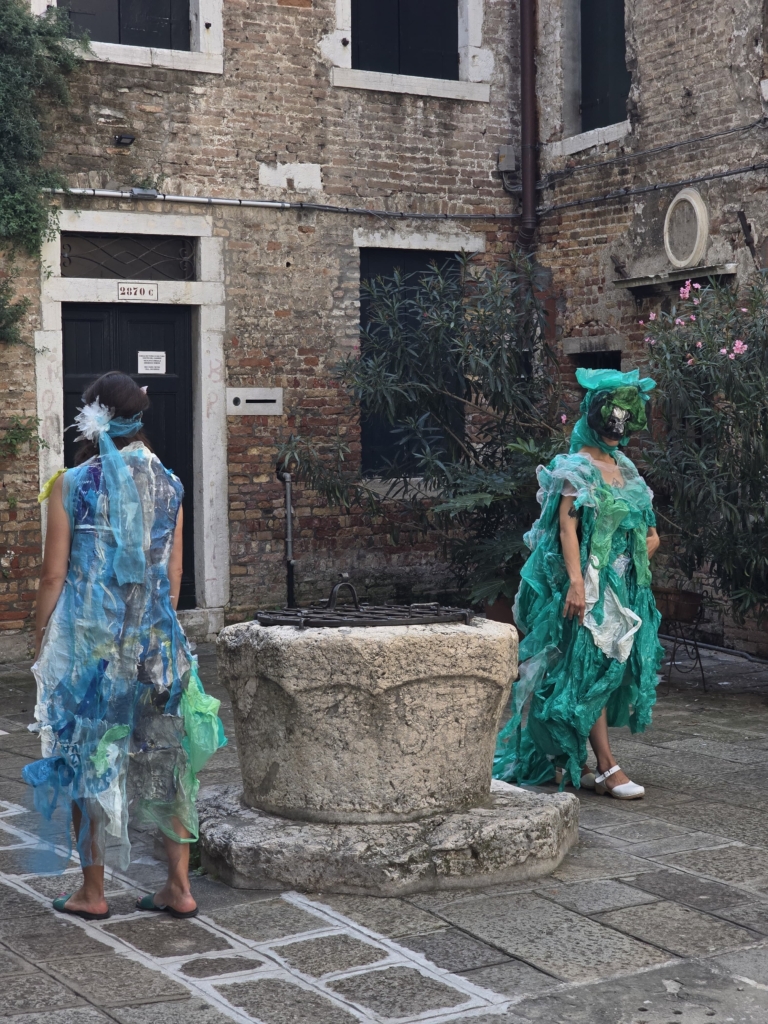
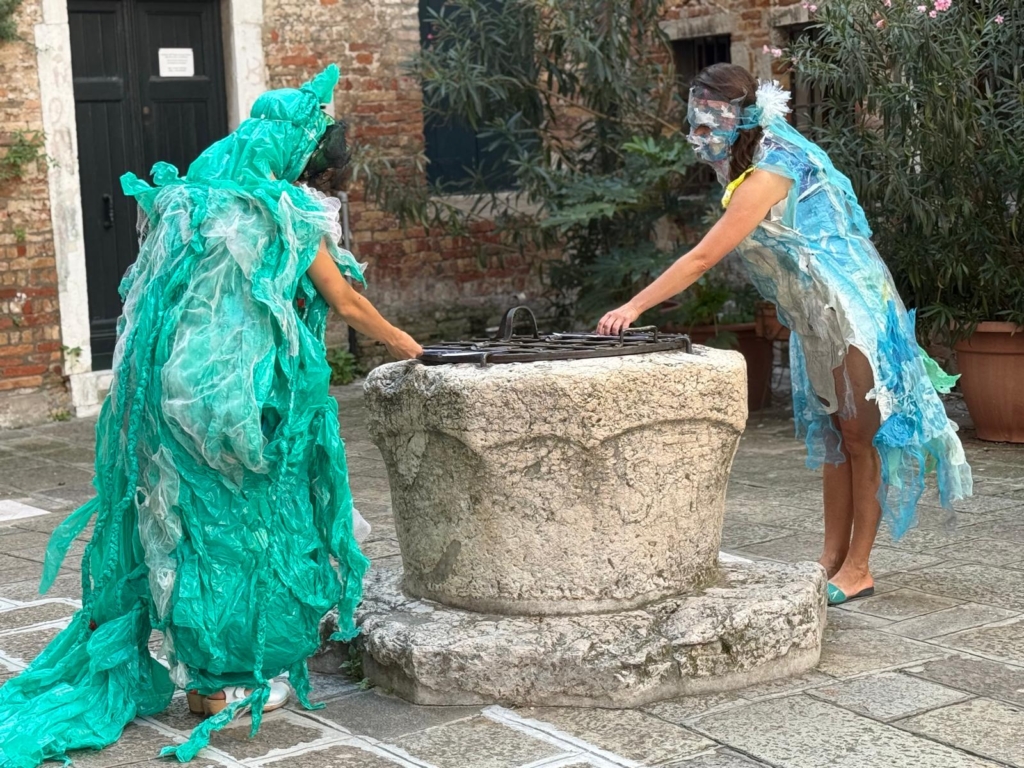
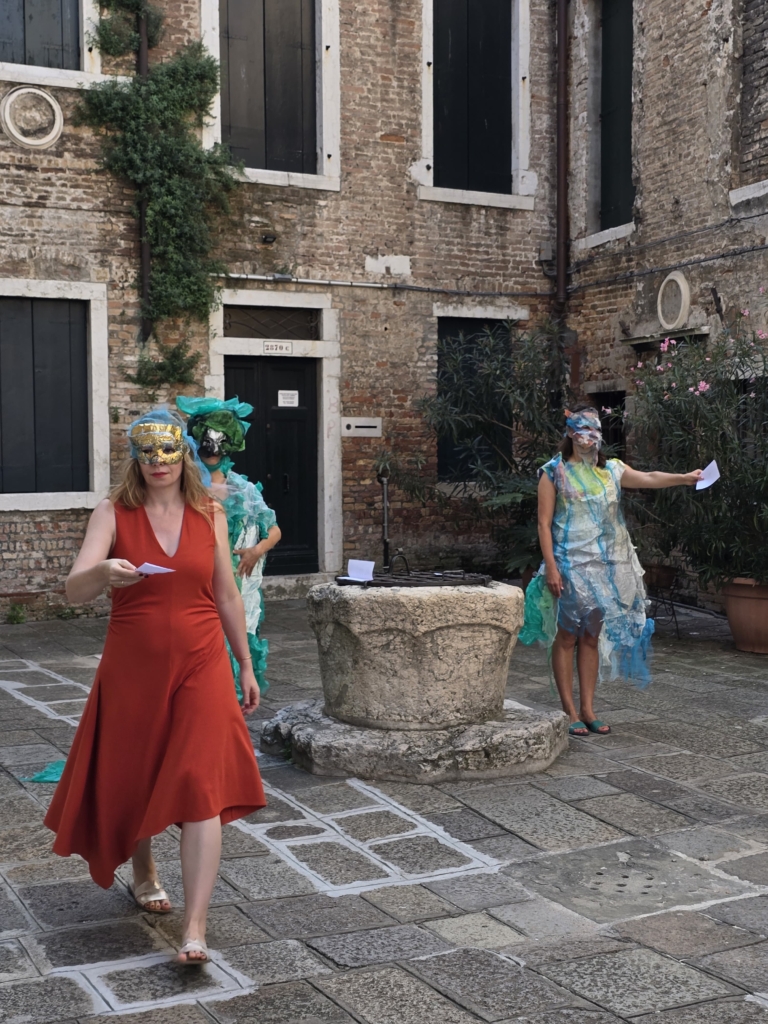
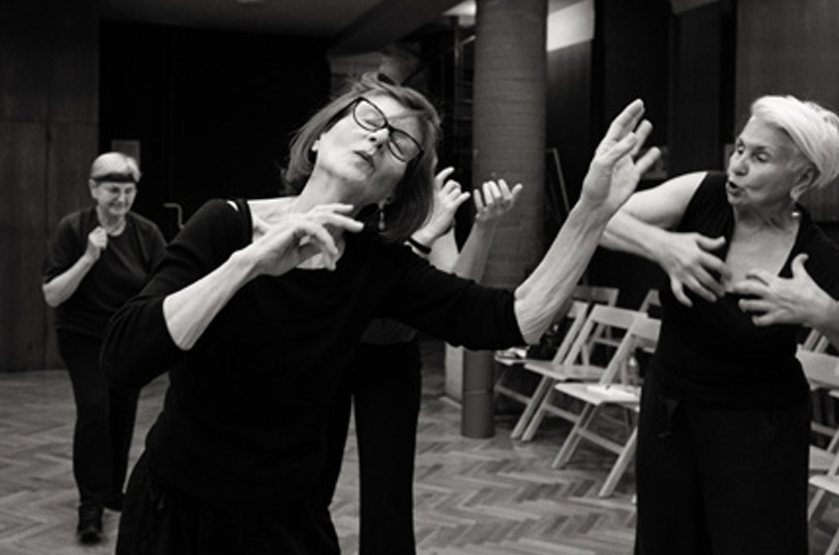
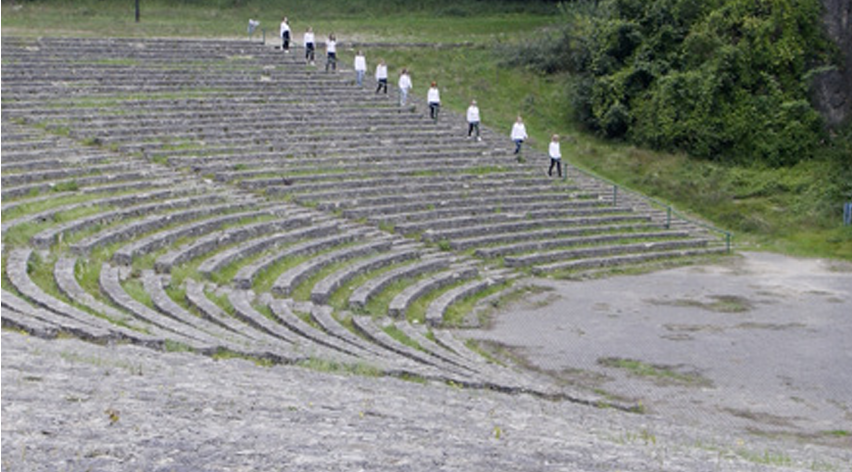
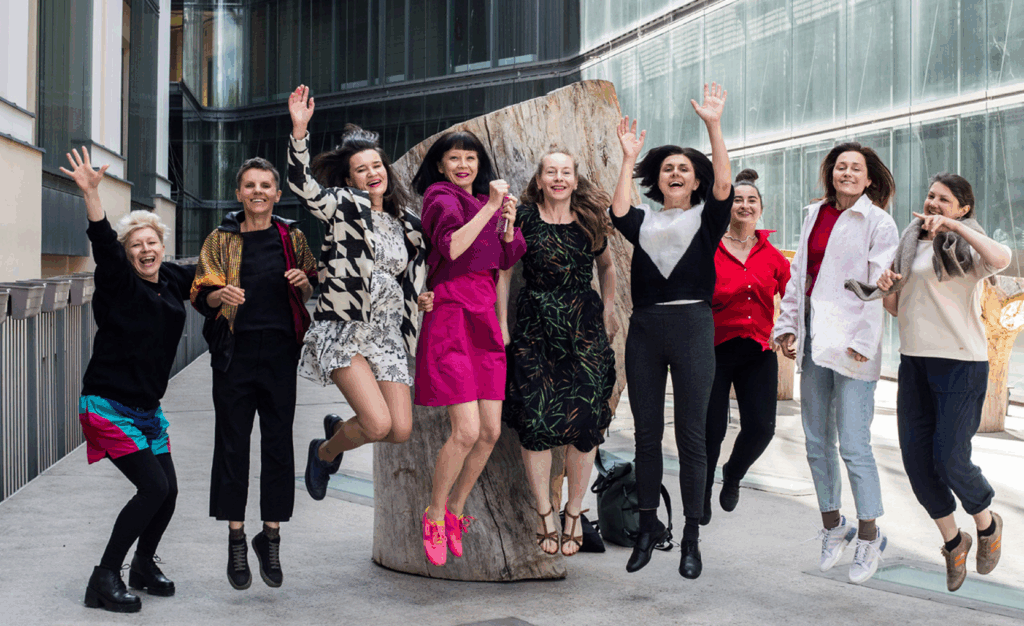
Performance “Flowing Sisterhood Currents” Mo Tomaszewska & Eliza Proszczuk
This WG’s most significant achievement was the forthcoming (Counter) Atlas of Trace: an interactive digital platform that maps the project’s activities, individuals, and concepts.
Other Action’s key outcomes:
- Unearthing Collections (UCL Press, 2025): a book that challenges the way archives and museums approach controversial materials.
- Practising Collection Ethics Toolkit: a hands-on guide for heritage professionals navigating complex ethical questions. Ten real-world case studies from museums and research projects across Europe illustrate how curators, conservators and researchers have addressed these challenges in their work.
- Spectropia book series (forthcoming with De Gruyter): this series will showcase new research methods in the growing field of trace studies.
- 14 webinars exploring trace research across Europe.
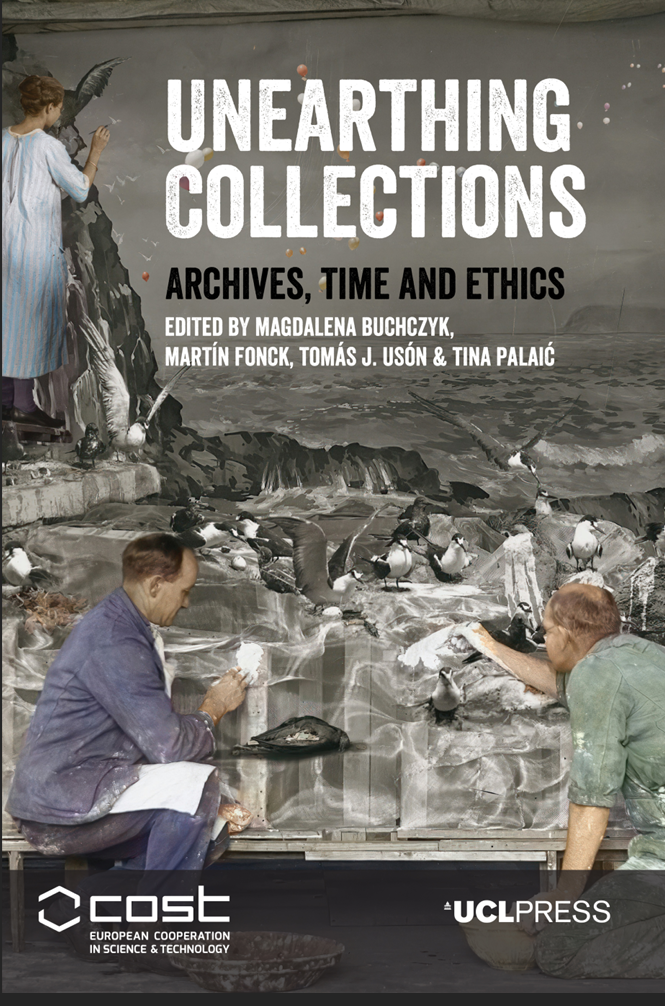
“These outputs show that interdisciplinary research can create practical tools and fresh insights,” said the Action Chair Magdalena Buchczyk.
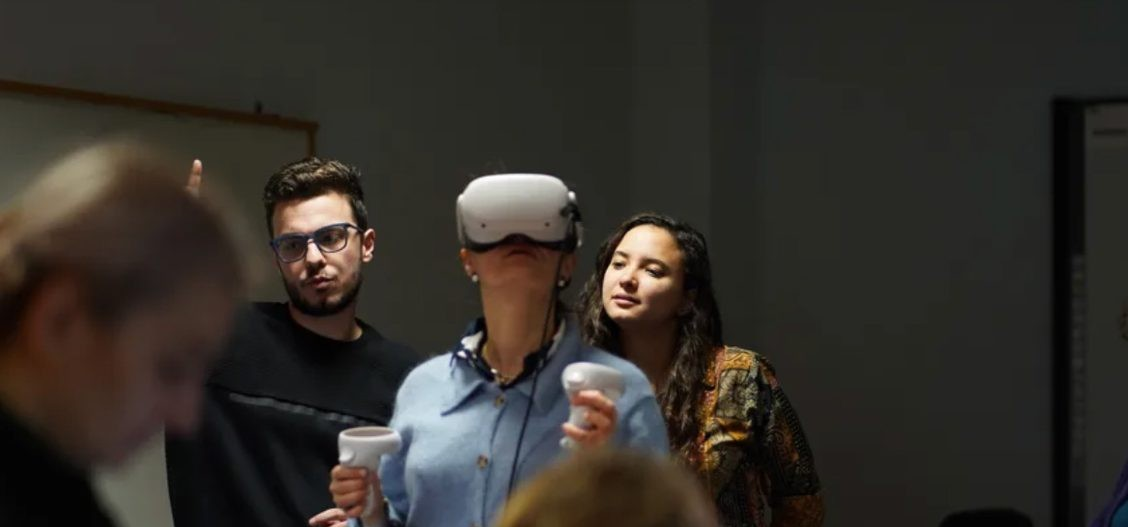
From forensic archaeology to digital mapping and from film essays to exhibitions, TRACTS has blurred the boundaries between science, art and the humanities. Its training schools encourage hands-on experimentation.
For example, at the training school Unearthing Traces of European Conflicts in Santiago de Compostela (Spain), archaeologists, anthropologists, forensic scientists, and memory studies scholars collaborated to examine material evidence of conflicts and their current impact using 3D scanning and forensic tools.
Another training school, Audiovisual Remix: The film essay as experiment in trace in Porto (Portugal) for filmmakers and anthropologists, explored how images can themselves be traces of memory and emotion. During the Porto training school, a nationwide power cut forced everyone offline. Without their screens, the participants took to the streets to observe the city directly. The blackout became a lesson in what it means to see and experience traces beyond digital tools.
“What made these schools unique was how they combined theory and practice,” says Magdalena Buchczyk. “They encouraged young researchers to move beyond disciplinary boundaries, blending scientific analysis, artistic practice, and curatorial work.”
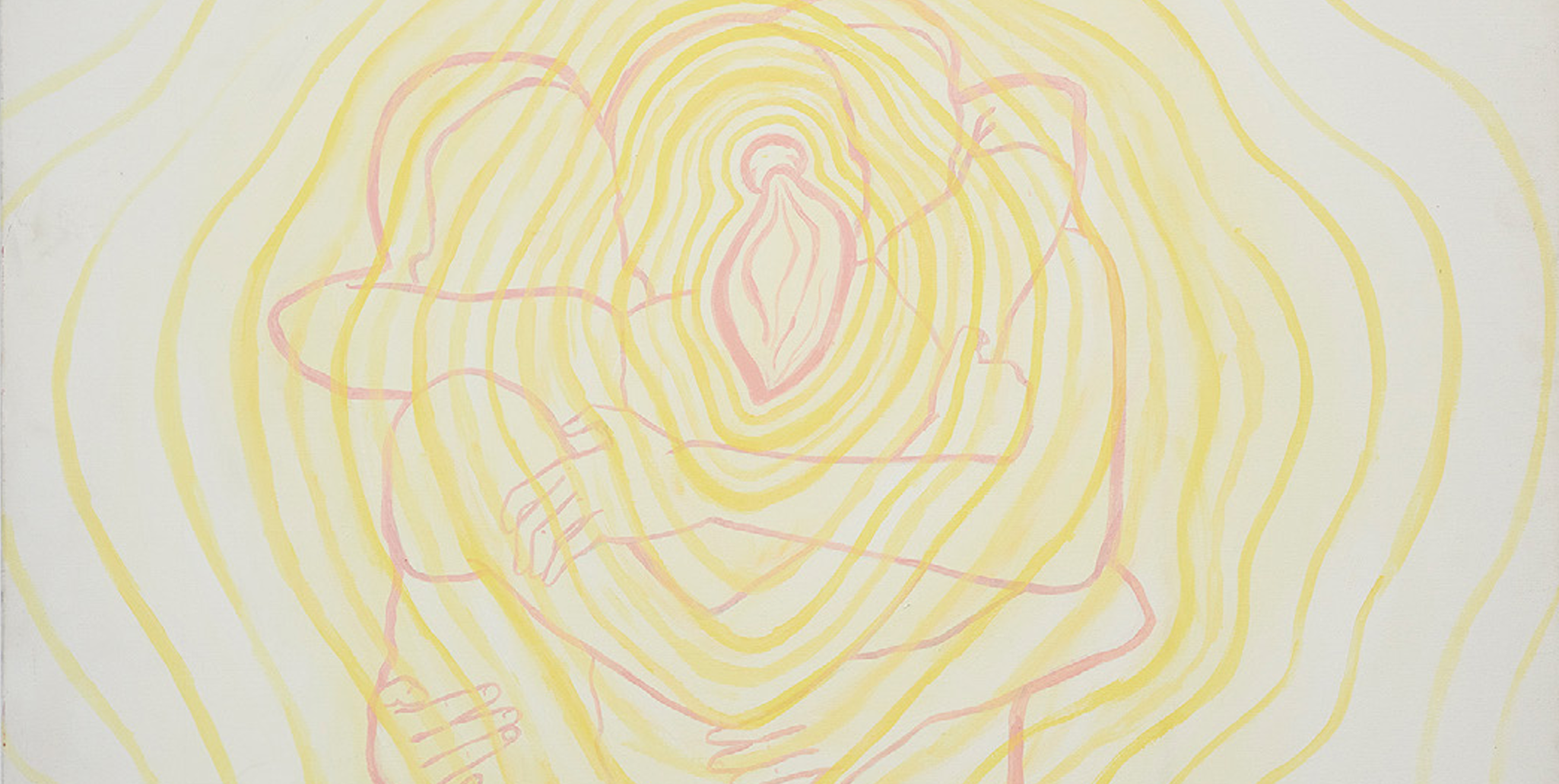
Some of TRACTS’ most visible successes have emerged from collaborations outside of academia.
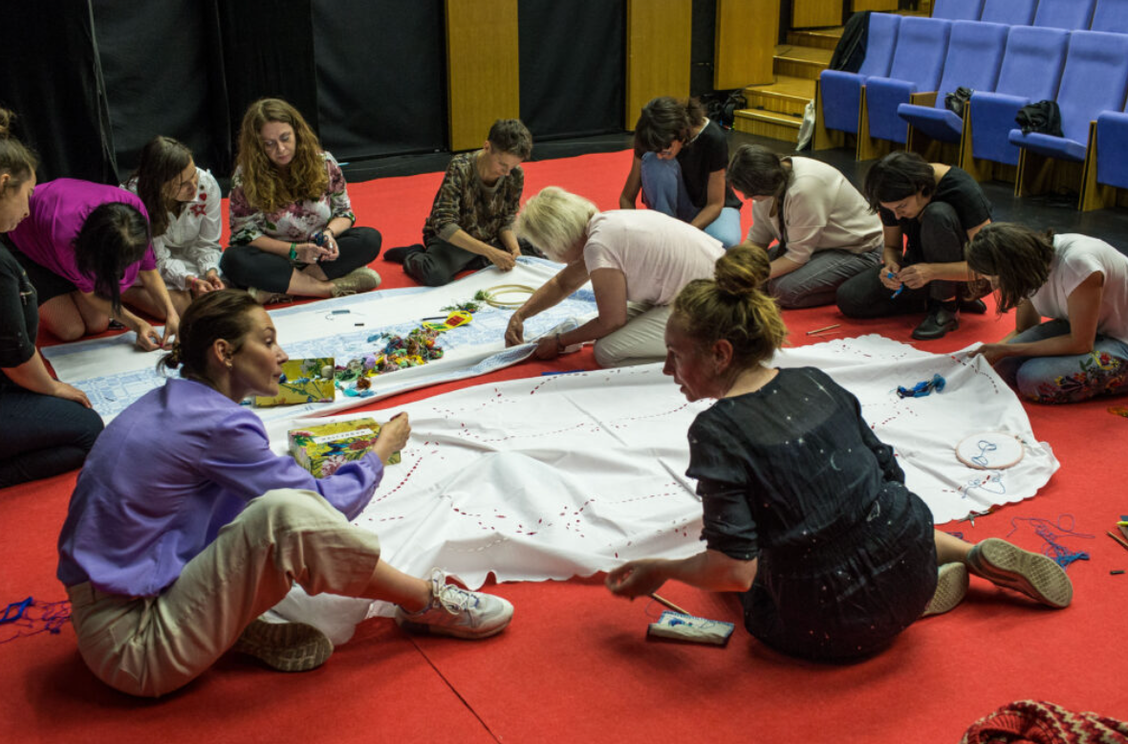
One striking example is ‘Traces of Sisterhood’, a project by Polish artist Eliza Proszczuk and curator Ewa Chomicka. Their project produced a beautifully designed book, ‘Traces of Sisterhood’, public exhibitions, and partnerships with feminist organisations, including the City of Women Festival in Ljubljana.
For Ewa Chomicka, who will soon be representing Poland at the 2026 Venice Art Biennale, the experience demonstrated how art and research can converge to empower communities.
For Eliza, the Action enriched her creations. “My art became deeper, more thoughtful, and more connected. I think I touch people on a different level now,” she said.
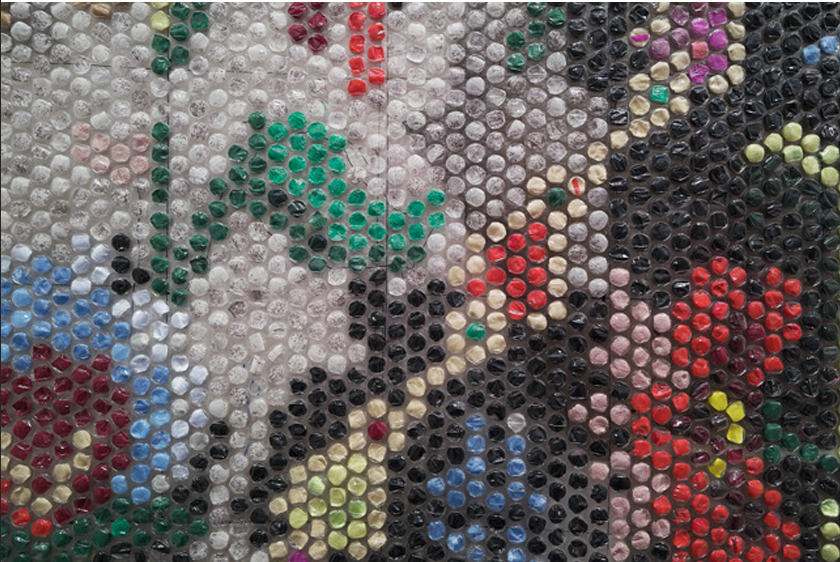
“We asked people to embroider their thoughts of solidarity onto a shared tablecloth. It became a piece full of emotion and empathy,” recalled Eliza. The tablecloth has since become part of a prestigious international textile exhibition in Poland.
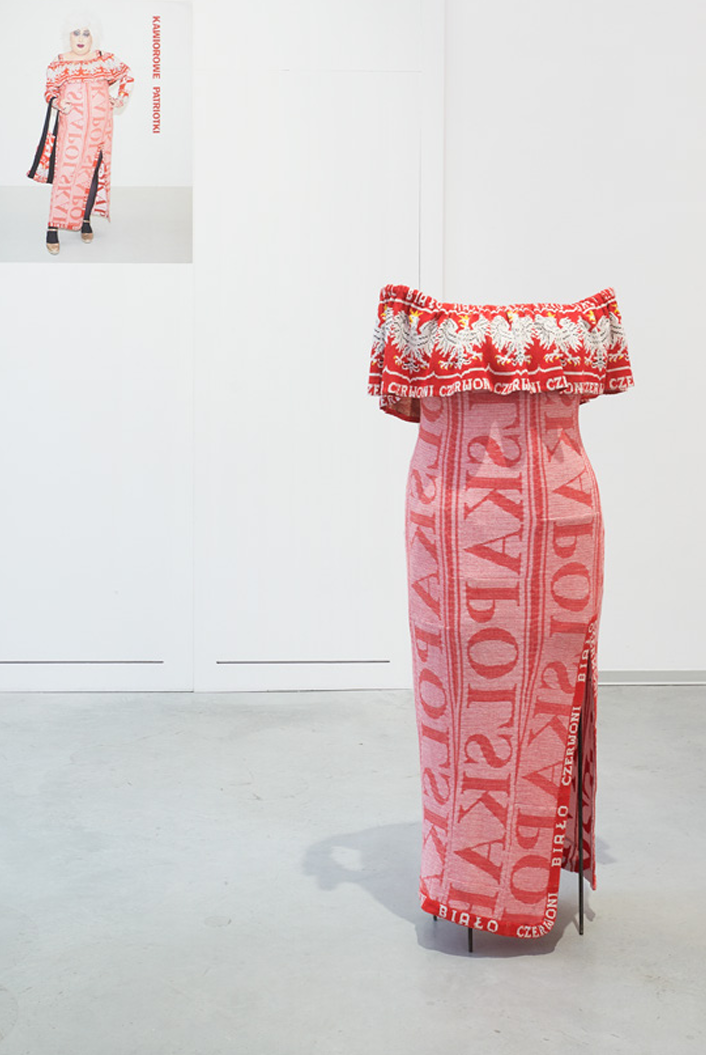
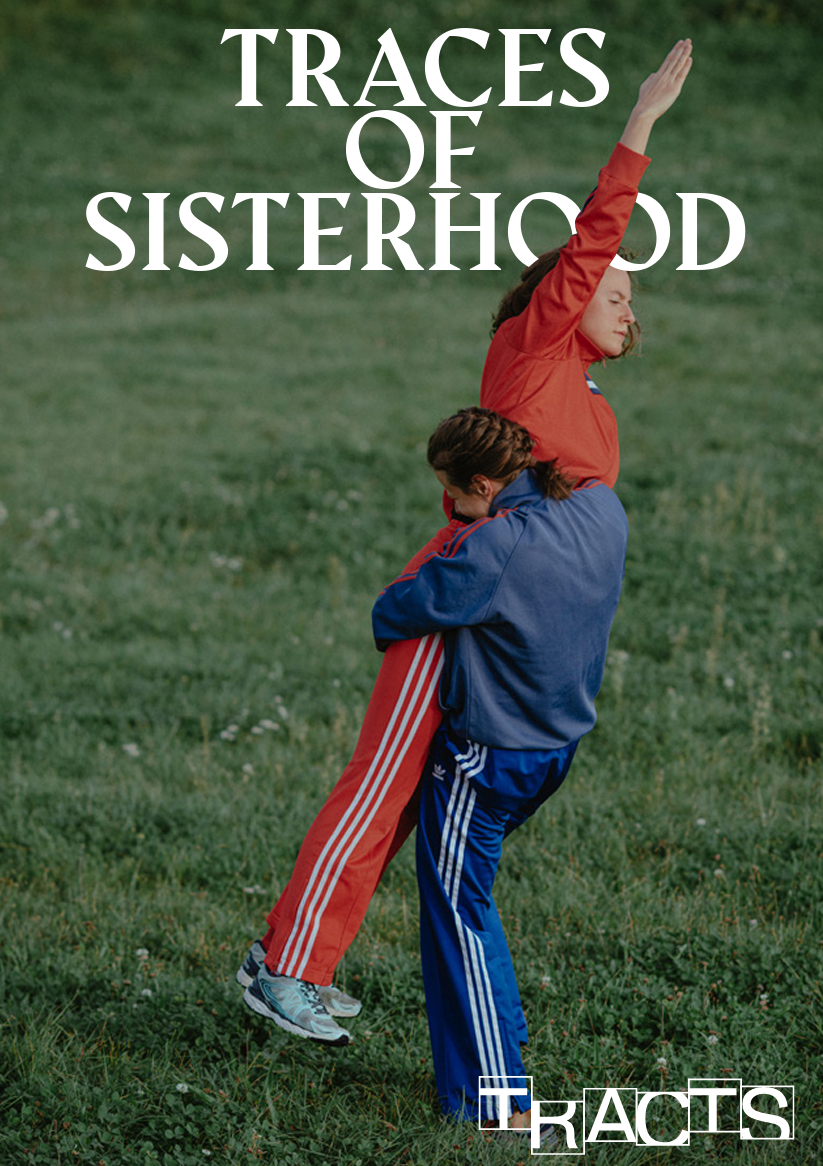
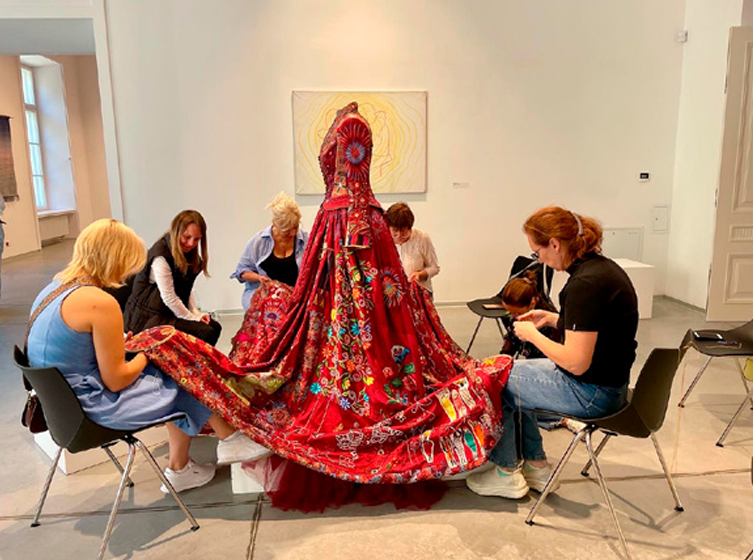
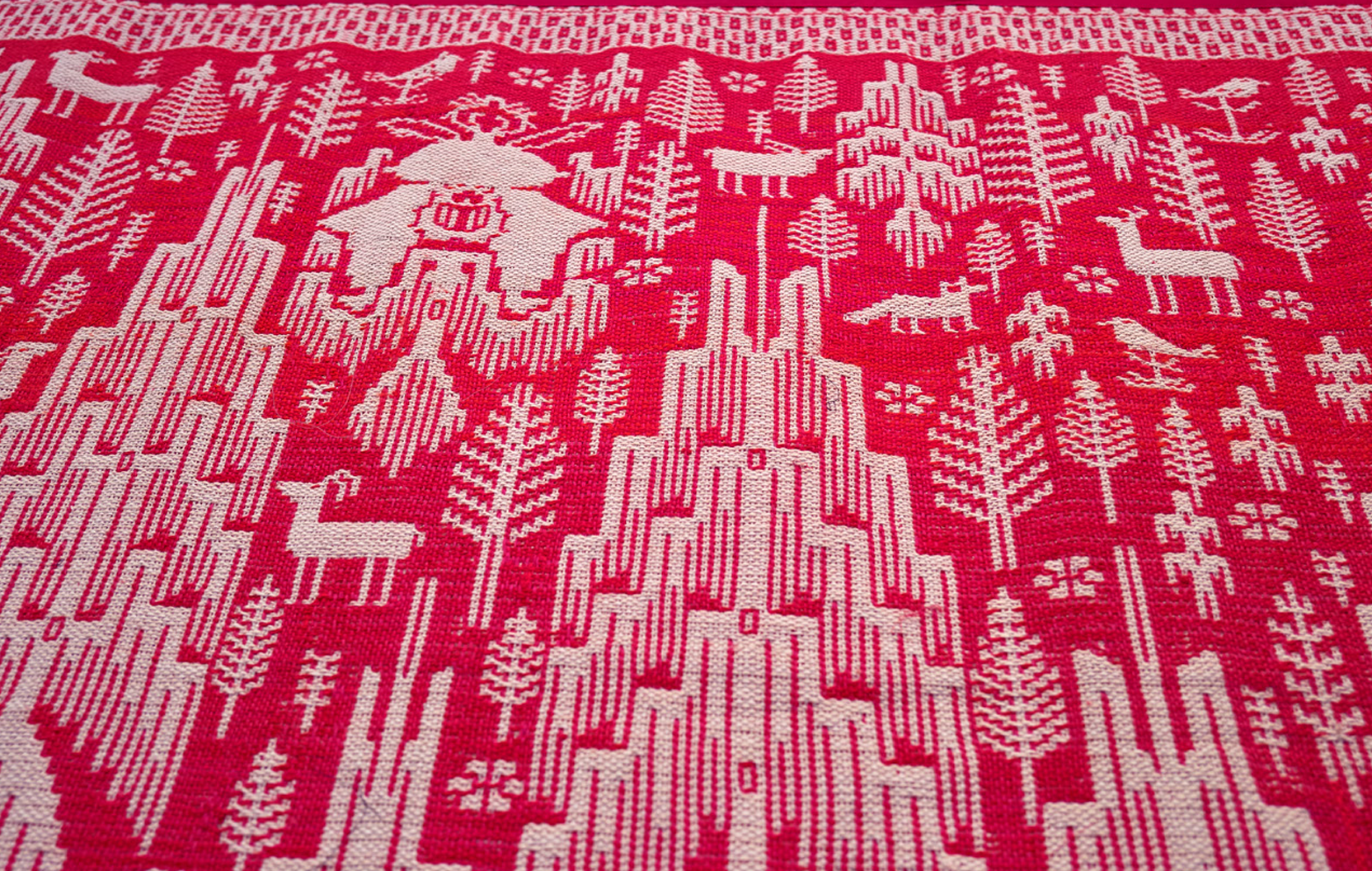
Magdalena Buchczyk, the Action Chair, sees this as one of TRACTS’ greatest strengths. “Shared values of empathy, care, and mutual aid can inspire new forms of social and political organisation,” she said. “Projects like Traces of Sisterhood show how collective creativity can drive social change.”
At the heart of TRACTS was a commitment to supporting young researchers. Over fifty of them benefited from Short-Term Scientific Missions (STSMs) and Conference Grants, which funded travel, fieldwork and networking.
One of the clearest examples of how TRACTS’ STSMs helped to launch new careers is the story of Dr Miguel Errazu, the Action’s Grant Awarding Coordinator. Miguel received a Marie Skłodowska-Curie Actions (MSCA) postdoctoral fellowship after taking part in a Short-Term Scientific Mission (STSM) in Paris to research documentary films. Reflecting on his experience, he said: “This STSM was instrumental for my project. I found much more material than I expected.”
“It is totally thanks to the COST Action that I got this grant”, added Miguel. Both the financial support of the Action and the network it created were crucial: “Networking made me meet Lee Douglas, who is now co-leading this new project with me, even if we come from completely different fields — she is an anthropologist and I am an art historian.”
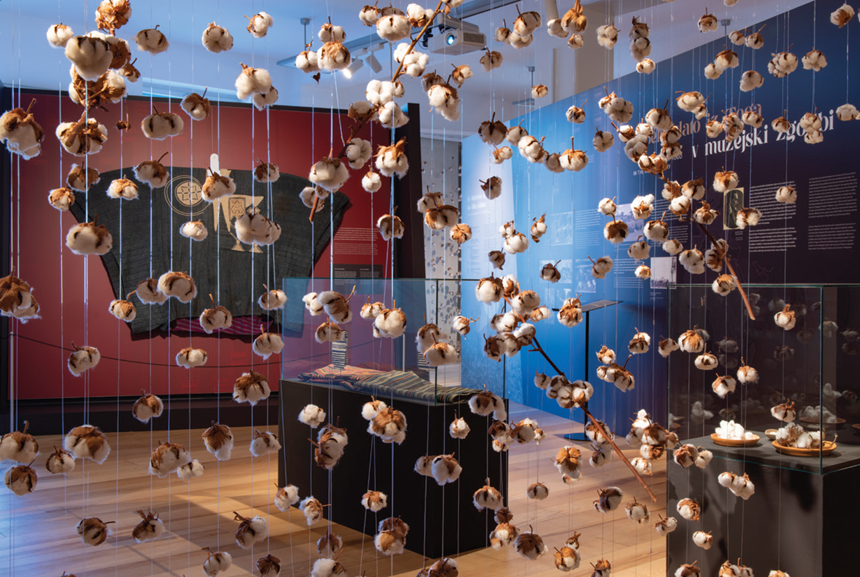
One of the most rewarding moments for Tina Palaic, who handled the STSMs, was mentoring a researcher who travelled to Togo to study the cotton industry. This work resulted in an exhibition at the Slovene Ethnographic Museum, a public lecture, and a contribution to the TRACTS’ Atlas.
The short exchanges often grew into lasting collaborations, proving how powerful mobility grants can be for career development.
©Blaž Verbič, ©Tina Palaić
“The chance to conduct research abroad allowed Action participants to expand their professional networks by connecting with scholars who shared similar interests”, said Tina. This kind of networking is essential for opening up new avenues for collaboration and knowledge exchange”.
Although the Action has formally ended, the network is planning the next steps. A Trace Studies Manifesto is being drafted, and discussions are underway regarding the establishment of a dedicated Centre for Trace Studies, which could have its own journal and association.
The TRACTS Atlas and digital resources will remain available. Many members are preparing follow-up projects under Horizon Europe to ensure that the network’s ideas and collaborations continue.
According to Magdalena Buchczyk, “We live in a time of ‘polycrisis’: climate change, threats to democracy, questions of justice, and these are exactly the areas where the humanities and social sciences can help us.”
Additional information:
View the Action website
View the Network website